Luoyang Museum's Year-Long Closure Revives the Legend of China's Lost Imperial Seal
When Luoyang Museum announced it would shut for about a year of renovation, Chinese social media decided it knew the real reason: the museum had found the Heirloom Seal of the Realm, missing since the tenth century. The rumour came with AI-generated 'evidence', was officially debunked within days, and said something true anyway about how much the legend still means.
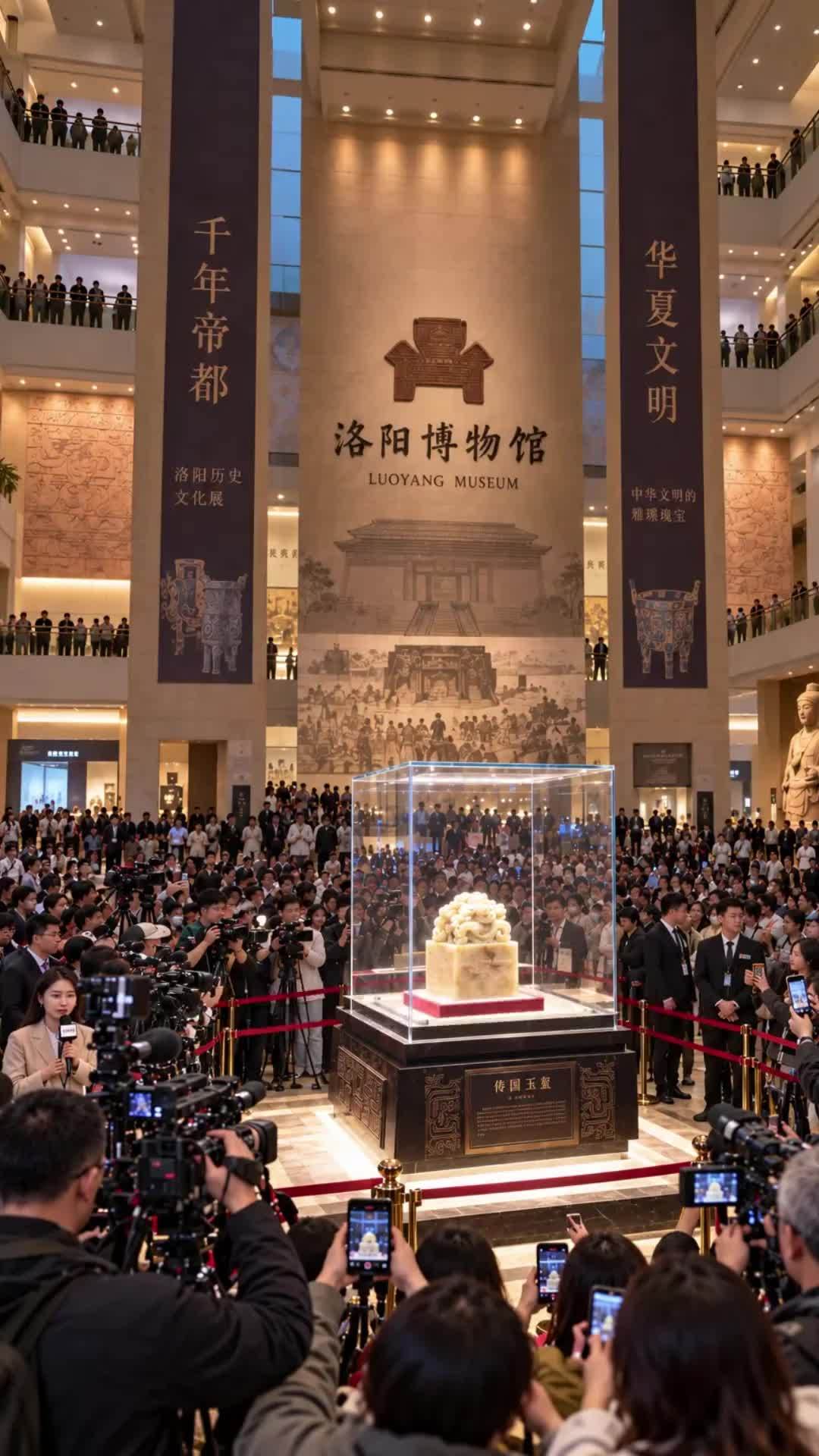
On October 13, Luoyang Museum posted a routine-sounding notice: from October 19, the building would close for about a year of renovation. Within a day, the internet had supplied a more exciting explanation. The museum, users suggested, had dug up the Heirloom Seal of the Realm (传国玉玺) — the imperial seal of Chinese legend, lost for more than a thousand years — and needed to close while it rearranged the exhibit. Some posts came with AI-generated pictures and videos of the supposed find.
The authorities were not amused for long. CCTV's fact-check confirmed that "all relevant information is rumour," and state media spent the day batting the story down as rumour rather than discovery. But the joke, which trended all day under a hashtag translating roughly as "the Imperial Seal, missing since the Five Dynasties," was never really about fooling anyone.
Why the joke works only in Luoyang
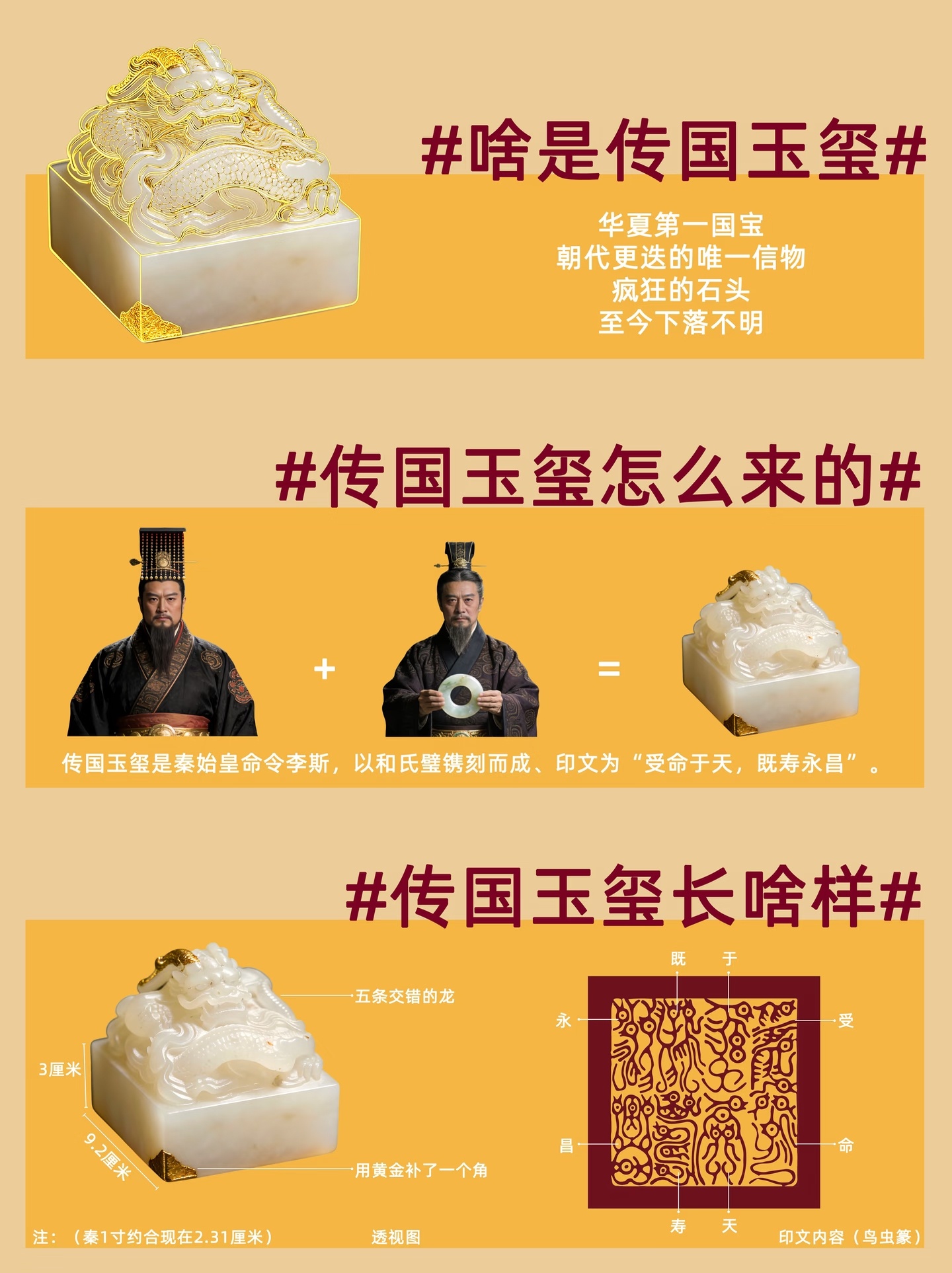
The Heirloom Seal is China's most famous lost object. Tradition holds it was carved for Qin Shi Huang, the first emperor, in 221 BC, inscribed with a line reading "Having received the Mandate of Heaven, may the emperor live long and prosper." Possessing it meant possessing the right to rule; one popular explainer graphic circulating with the trend traced its path through successive dynasties and ended with a stark caption: in circulation for 1,129 years, ending in the year 936.
That ending happened in Luoyang. The last emperor of the Later Tang is said to have clutched the seal as his capital fell, climbed a tower with his family and set the palace on fire — and the seal was never reliably seen again. Later dynasties carved replacements; claimants produced fakes; scholars argue about whether any surviving object is the real thing. A museum in the city where the seal supposedly perished, closing suddenly and refusing to say exactly why, is the perfect setup for the joke. As one commenter put it: "One second: what's an imperial seal? The next second: long live the Emperor."
What the museum actually said
The museum answered on October 16 with an unusually detailed question-and-answer post, relayed by Dawan News. The building, opened in 2011, has run for more than fifteen years and needs upgraded infrastructure and systematic conservation work. As for the artefacts: nothing is disappearing. Pieces needing repair go to specialist storage, and the rest travel — to three Luoyang sister museums, including the Sui-Tang Grand Canal Culture Museum, and onward to institutions in Liaoning, Taiyuan, Qingzhou and Macao.
The debunking may have quieted the seal theories, but it did something else too: it put a tenth-century legend back at the top of the trending board. The museum says reopening details will be announced on its official platforms, and its artefacts will be on display elsewhere in the meantime. The seal itself remains where it has been since the year 936: unfound.