Former Actor Jiang Jinfu's Fitness Rebrand Reopens China's Domestic-Violence Forgiveness Debate
Jiang Jinfu, the actor whose career ended after two domestic-violence scandals, is trending again — not for a comeback, but for gym videos showing a 6.8 percent body-fat physique and a life of running and climbing. The reaction split down the line China has drawn before: admiration, and the question of who gets to be forgiven.

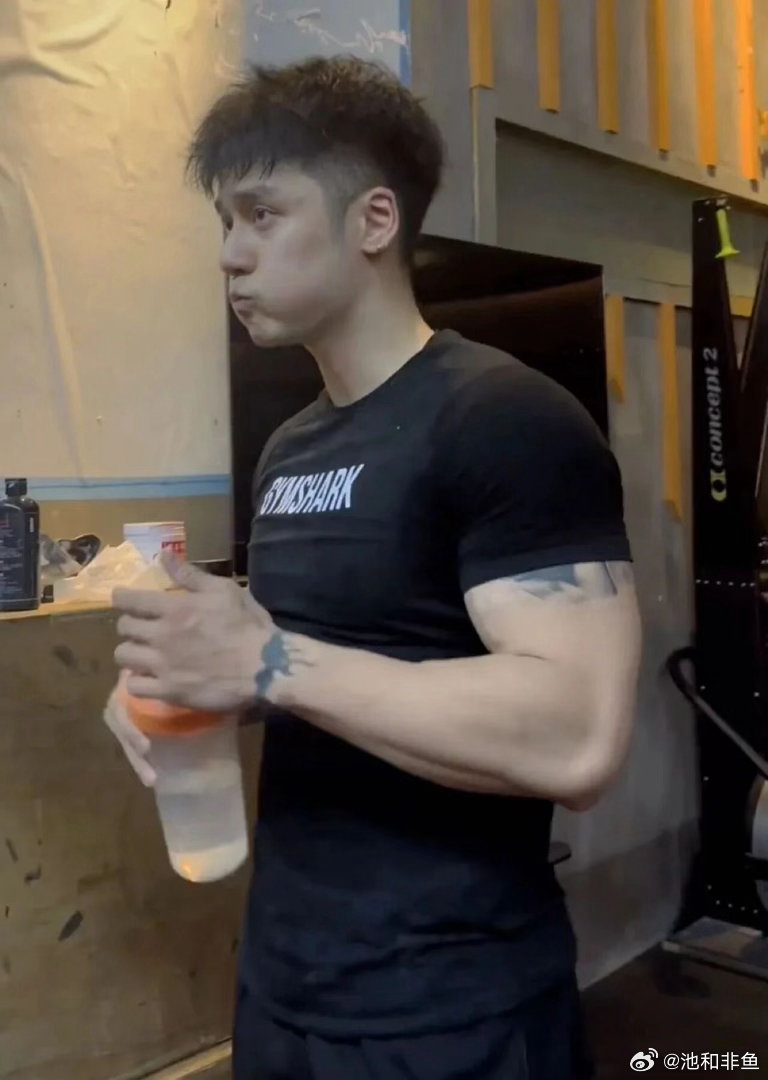
The video that set the day off showed Jiang Jinfu — once one of Chinese entertainment's rising leading men — in a gym, moving through a workout with the unglamorous steadiness of someone who trains every day. The caption trending above it read "Jiang Jinfu is living the life he wanted" (蒋劲夫过上了他想要的生活), and by morning the post underneath had drawn more than 15,000 likes, most of them arriving in a tone of wistful approval: "A man who works out really is handsome."
Who Jiang Jinfu is, is the reason the likes are an argument. In 2018 he was accused by his Japanese girlfriend of assault, and admitted to violence while disputing her account; the case collapsed his career at its peak. A second accusation followed — a girlfriend from Uruguay described violence and coercive control — and he left the industry. The trending phrase compresses all of that into a redemption arc: an actor who fell, went quiet, and rebuilt himself as a fitness figure, with videos of running, climbing and, at one point, delivering food between gym sessions. A sports commentator summed up the transformation in the numbers his followers pass around: body fat measured at 6.8 percent, "close to professional bodybuilding level," and a daily routine of running and rock climbing. Then he added the line that detonated the comment section: if Jiang were willing to show up at public events, "he'd probably get cheers from the whole room."
That prediction is what turned a fitness post into a referendum. The clearest statement of the two sides came from an account that laid out the record before asking its followers directly: many people scrolling past his workout and delivery videos sigh at how fortunes rise and fall, some say he has already paid his price and deserves to move on, others hold that a stain like this follows a person for life — "should we empathize with someone with a domestic-violence record?" The post drew thousands of likes and a comment field running exactly along that seam.

The debate is familiar ground in China. The 2018 case landed at the height of the country's reckoning with domestic violence — the same season that produced the Anti-Domestic Violence Law's first big public tests — and "家暴" (domestic violence) became a disqualification that public opinion, if not the courts, enforced: sponsors dropped him, projects dropped him, and no agency staged a comeback. What the gym videos are testing is the far side of that consensus — whether the punishment was intended to be permanent, and who has the standing to commute it. The nostalgia posts treat his retreat from fame as sentence served; the objections reply that the people who don't get a redemption arc are the ones he hurt, and that "paid his price" is doing enormous work in a case where the price was paid in career, not in any court.
What makes the argument worth watching rather than merely familiar is the shape of the numbers this morning. The admiring post — the one that treats the arc as complete — outpolled the caution post roughly six to one, and the trend's most-repeated line was a sports commentator's cheerfully fatalistic "he'd get cheers from the whole room." Eight years after the scandals ended his screen career, the audience's welcome-back may be less conditional than the industry's.