Why China Wants a Lookalike Factory Worker to Take a DNA Test for Jordan Chan
A video of a worker in Fujian who looks strikingly like the Hong Kong star — down to an identical dent on the earlobe — has revived the story of the brother Chan's family sold for 3,000 yuan in the 1980s, and the country is watching for a reunion.
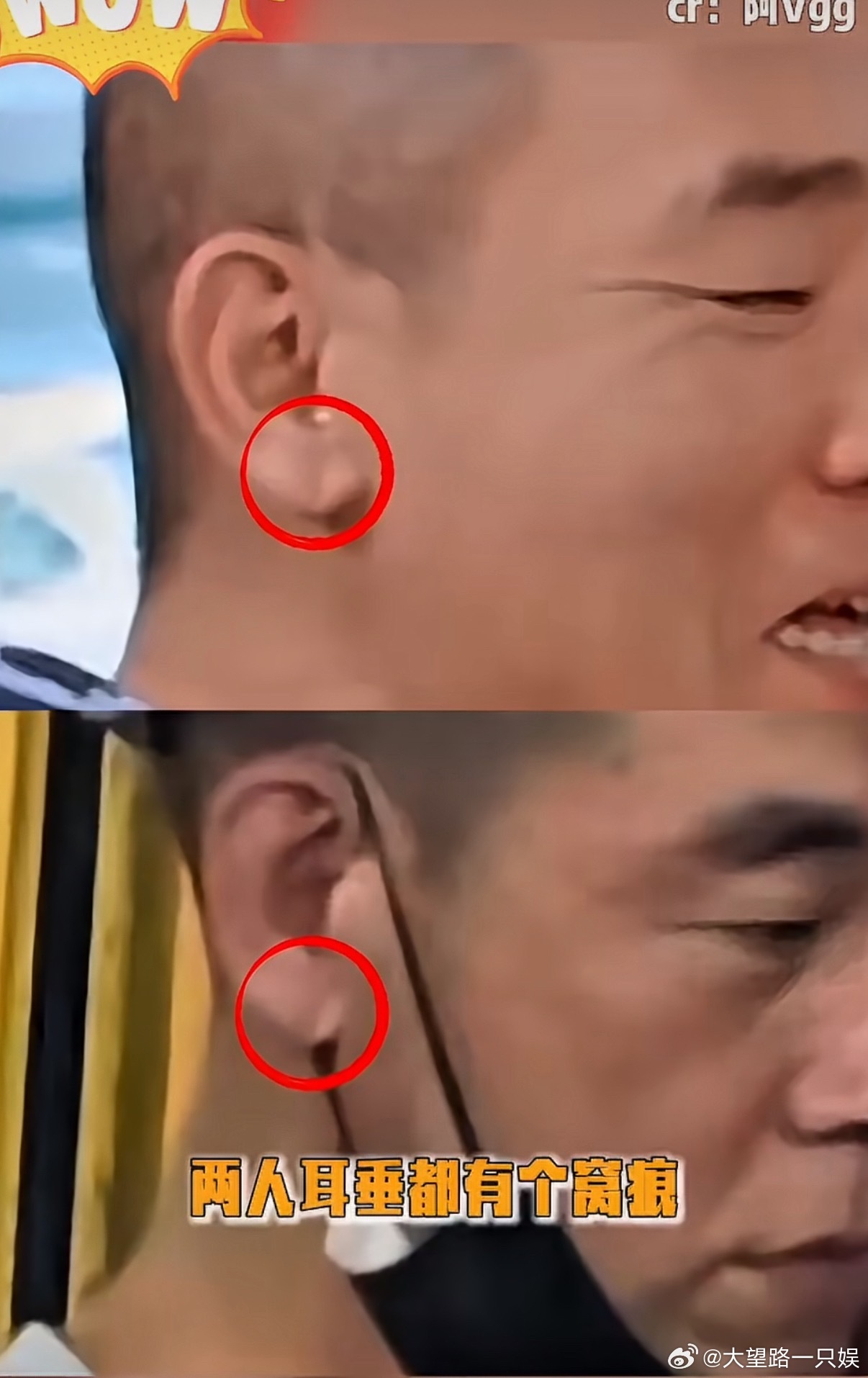
It began, as these things now do, with a phone video: a man in his fifties in a red hard hat, filmed at a factory in Xiapu County, Fujian, with the face, the gait and the jaunty shoulders of Jordan Chan, the Hong Kong singer-actor. Then the internet did what it does. Frame-by-frame comparisons appeared, and someone noticed that both men have a small dent in the same spot on the earlobe. The coincidences stacked from there: the worker is also surnamed Chen, and his given name reportedly contains the character 禄 (lu), which echoes the lost brother's original name. Within a day, "Jordan Chan and his suspected brother both have the dent" (陈小春和疑似弟弟耳朵都有个窝痕) was high on Weibo's trending list, and fans were leaving messages on Chan's account urging him to fly someone to Fujian for a blood test.
The frenzy has an old wound under it. Chan, who grew up one of four children in a desperately poor family in Huizhou, Guangdong, has told the story himself in interviews: when he was a child, the youngest brother could not be fed, and the family sold him to another family for 3,000 yuan. Asked whether he had ever looked for him, Chan said his father forbade it — "they raised him; to barge in now would be unfair to them, it would break up their family" (人家养大了,对不对?对人家也不公平). It is a sentence that carries the whole moral arithmetic of China's poorest decades, when children were given away or sold not out of cruelty but because there was not enough rice, and when the family that took a child in had, in everyone's eyes, earned him.
That history is why a lookalike video turned into a national vigil. For the posters following the story, the worker's face is not a curiosity but a possible ending to a forty-year-old open wound — one commenter wrote that Chan has been famous for decades and "must have seen these comparisons before, but back then his parents said don't look, and he never had the courage to take that step." Others are running interference: an ear dent is a feature, not evidence, one widely shared post argued — "however moving the guesswork, kinship can only be confirmed by DNA, and both men's lives should not be disturbed."
Chan has said nothing, and neither has the worker, whose ordinary job has suddenly made him the most recognizable stranger in China. The country is waiting for a miracle or a debunking, and in the meantime the case has done what these stories do: made millions of people tell each other about the brothers, sisters and cousins their own families lost, or gave away, in the years when there was not enough of anything.