Gold's Cliff-Drop Night Puts China's Young Gold Buyers to the Test
Spot gold slid below $4,100 an ounce and silver fell more than 5 percent in a single session, and the drop lands on a generation of young Chinese who made the metal their savings account of choice.
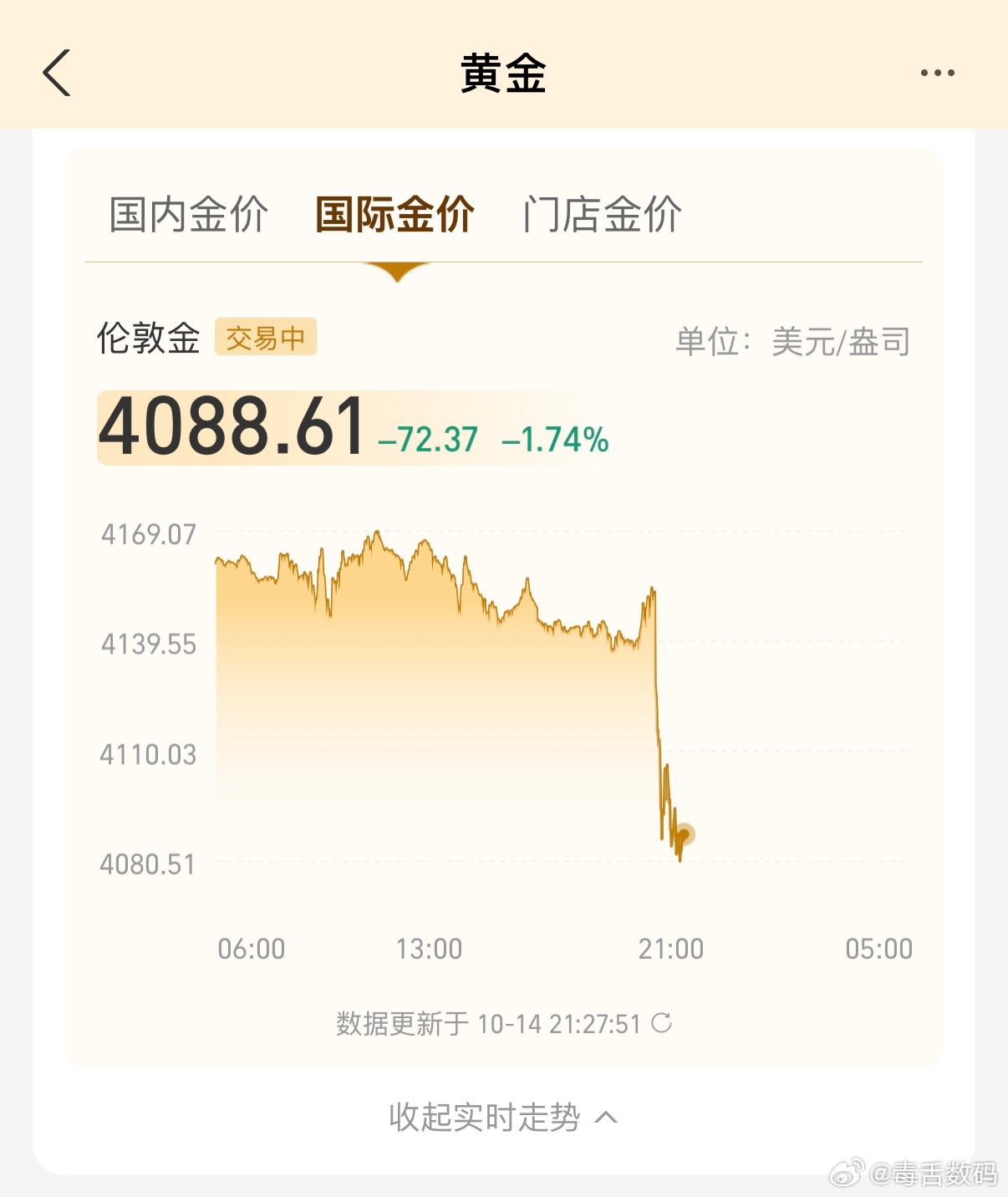
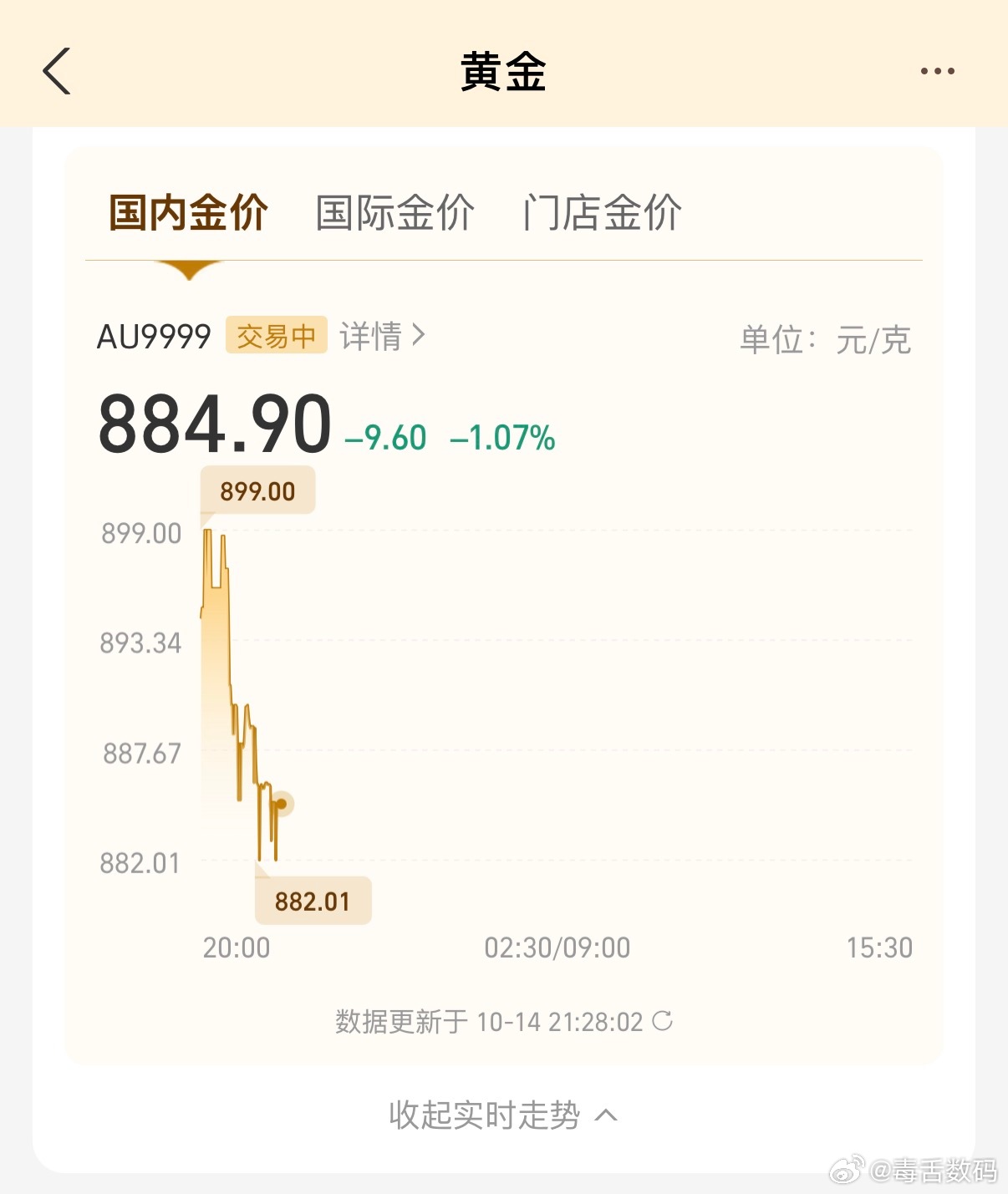
The rally that carried gold to repeated records this year hit air on Wednesday evening. Spot gold fell through the $4,100-an-ounce mark within hours and traded near $4,084 late in the Beijing night, almost 2 percent down on the day; silver, the more volatile of the pair, slid as much as 5.5 percent, to $55.91. By Thursday morning, screenshots of trading apps were circulating on Weibo, translating the move into the units Chinese households actually buy: domestic bullion quoted around 885 yuan a gram, down about ten yuan overnight.
Commentators traced the trigger to Washington, not Beijing. A hotter-than-expected reading on United States inflation revived talk of Federal Reserve rate hikes; the dollar and Treasury yields firmed; and non-yielding metals suddenly cost more to hold. "Views on gold and silver are split straight down the middle," one markets commentator wrote. "Four thousand dollars is the line the bulls and the bears are both watching."
The drop lands differently in China than it does in New York. Gold has become the default savings instrument of the country's cautious twenty-somethings — its fall from record highs earlier this year turned young buyers into the metal's main customers, buying gram bars and gold beans on payday. For their parents, gold is still a wedding obligation: the "three golds" a bride's family expects, the full "five golds" set for those who can afford it. Jewellers in Hangzhou told reporters last weekend that bridal orders were running hot precisely because prices had softened, with one customer buying more than 150 grams in a single trip.
Which is why the same crash reads two ways at once. For wedding shoppers, cheaper gold is the point — the set that cost one price in September costs less today. For the savings-generation buyers, it is the first real drawdown of their holding period. One trader's post captured the mood of both: "What is going on? Gold suddenly plunges. Every time I tell myself not to panic, I still open the app to look" (每次都说不慌,每次又总想去看).
Calmer voices pointed to the floor under the market: China's central bank has added gold to its reserves for 23 consecutive months, and the long case for the metal rests on that official buying rather than this week's wobble. The advice circulating on Weibo was to keep the two golds separate — the bangle you wear is a purchase, the bar you hoard is a position, and confusing them is how a piece of jewellery turns into a leveraged bet. It is the same line that ran through last week's bride-versus-parents fight over cash versus gold: in China, family gold has always been savings, ornament and insurance at once, and a night like Wednesday is when the three stop agreeing.