A ¥179 Hotel Room Costs ¥2,193 as Xiao Zhan's First Tour Reaches Nanjing
The pop star's first-ever concerts sent Nanjing hotel prices up as much as twelvefold overnight, and the market regulator's answer — clearly marked prices are legal — has reopened the argument over what the concert economy owes the cities that host it.
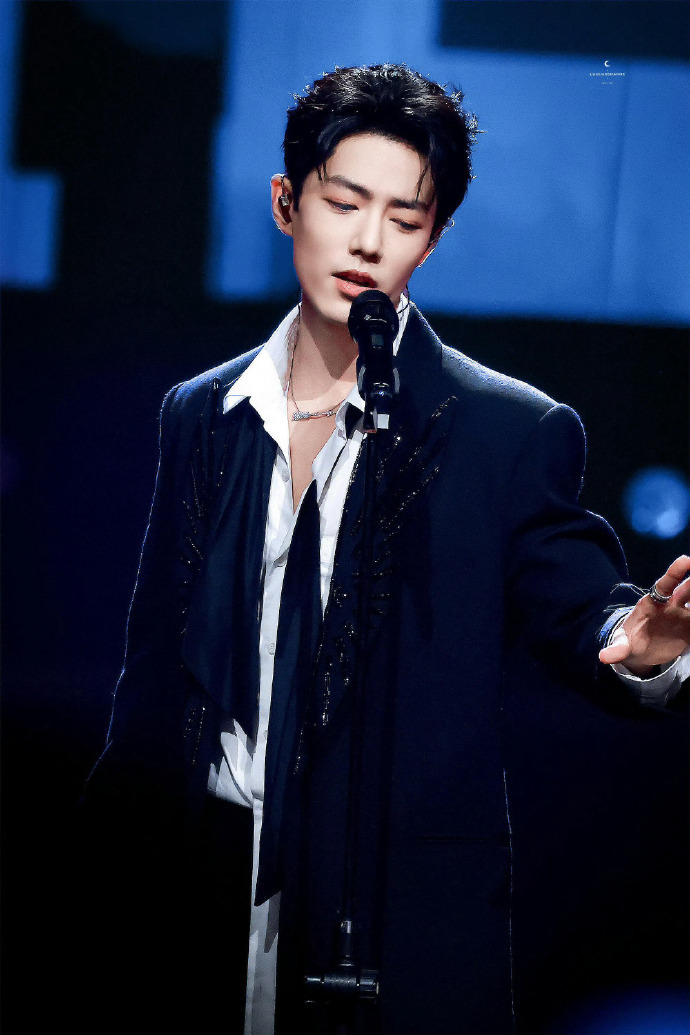
When Xiao Zhan announced his first personal tour in ten years — two nights in Nanjing this month, two in Shanghai next month — the numbers moved fast. More than three million users marked "want to see" on the ticketing app within a day; tickets priced between 390 and 1,960 yuan go on sale on October 15, with officials warning that no internal or staff tickets exist. The speed reached the hotel market the same day: rooms near the Nanjing venue jumped from ordinary weekday rates to four figures for the concert nights.
A reporter for Jimu News who called the hotels found a Home Inn near the gymnasium selling its cheapest room at 179 yuan on October 22 and 2,193 yuan on October 23 — an increase of more than twelve times. The Yangzijiang International Conference Center hotel went from 534 to 5,888 yuan, an elevenfold jump; a nearby Ji Hotel from 264 to 1,820. Front desks confirmed the surge was theirs: so many concertgoers had booked when the tour was announced that the rooms sold out at the new prices.

What made the story trend was not the surge itself but the regulator's shrug. The Pukou district market supervision bureau told the reporter that hotel prices are set by supply and demand, are not covered by the government's guided-price catalogue, and that as long as they are clearly marked, the pricing is normal (明码标价). That legal answer landed on Weibo as a provocation. "Clearly marked prices are fine, but a twelvefold jump tests a merchant's sense of proportion," one commenter wrote, advising fans to simply book farther from the venue.
The episode is the sharpest local symptom of a tour that has been reorganizing the concert economy since Monday. Xiao Zhan's studio broke with an industry norm by putting every ticket of the tour on public sale — no holds for sponsors or VIPs — which is precisely why demand has nowhere to go but the open market. That market, meanwhile, is doing what it does: state broadcaster CCTV ran a separate item on Wednesday about scalper tickets for star concerts being marked up to 250,000 yuan, asking why the trade never dies.
Nanjing will collect the upside soon enough — full hotels, restaurants, taxis — along with the bill for hosting an economy that arrives in one day and leaves the next. The city's regulator has made its choice explicit: the ceiling on what a night near the stadium costs is whatever the market will bear, as long as the number is printed on the door.