Guangxi Confirms Sulfur-Fumed Osmanthus and Orders a Countywide Sweep
A food-safety blogger's undercover video showing workshops in Yangshuo burning sulfur over osmanthus flowers — in the open, beside public roads — was confirmed by county authorities within a day. The flowers, a signature flavour of the autumn season, had been fumigated to double their weight and sell at a sixth of the untreated price.
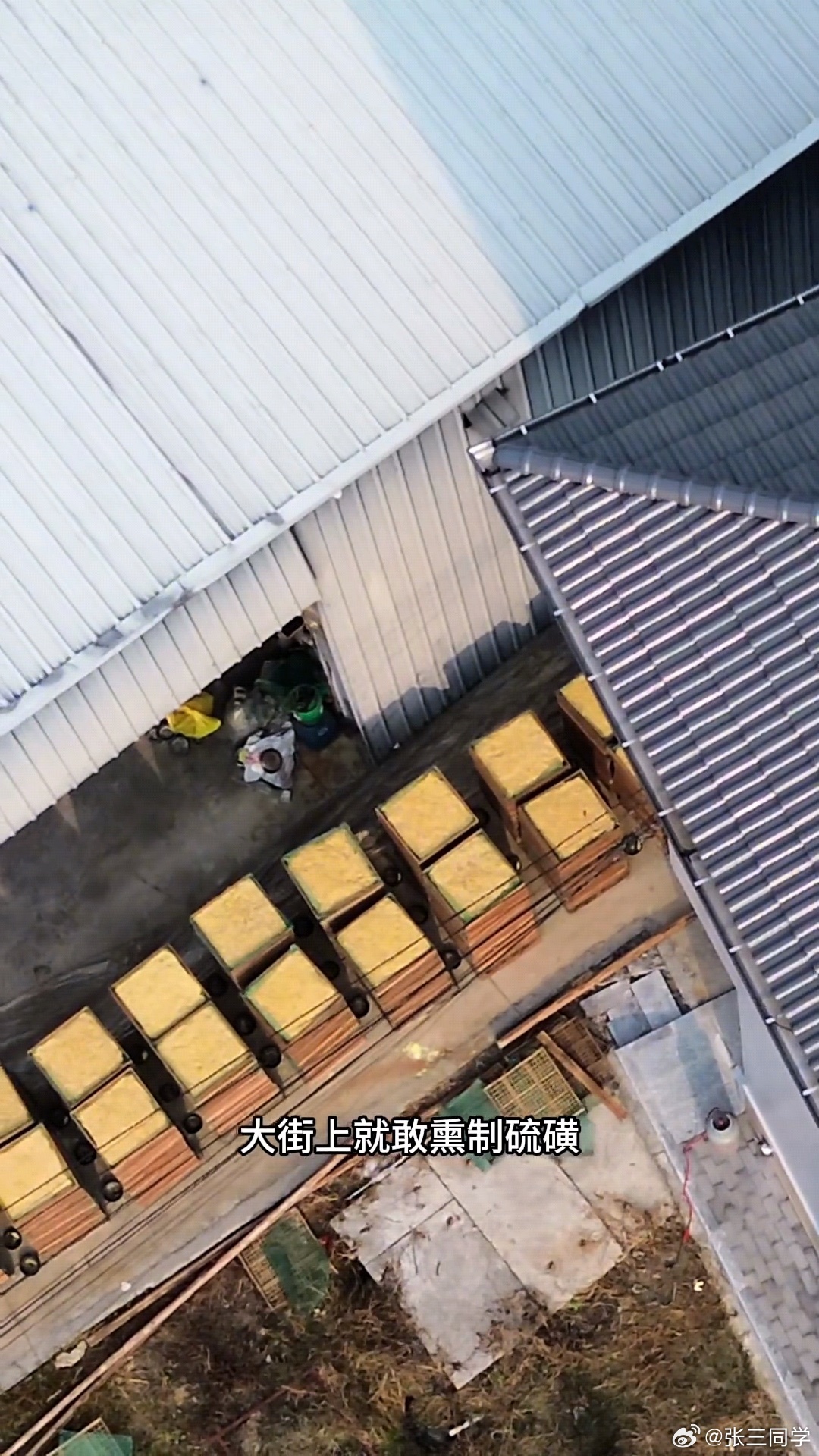
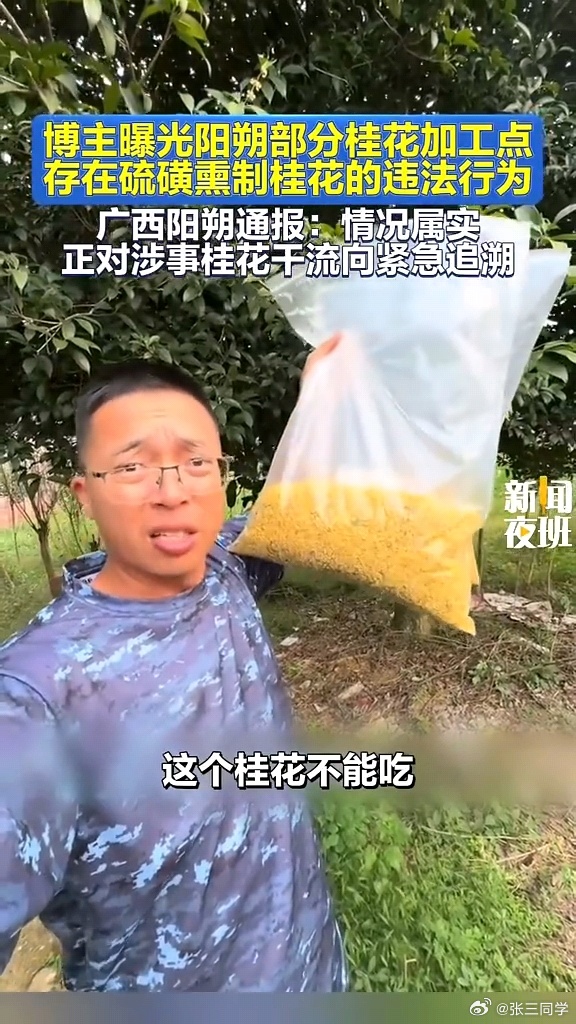
The confession from Yangshuo county arrived unusually fast. Within a day of a food-safety blogger posting undercover video of osmanthus flowers being fumigated with burning sulfur, the county's food-safety office announced that the claims were true: it was urgently tracing where the treated dried flowers had gone, launching what it called a dragnet inspection of every link in the local osmanthus trade — purchasing, processing, sale — and taking action against the merchants involved. "Zero tolerance," the statement relayed by Jiangsu TV's Litchi News read. "One case found, one case handled."
The video that forced the reckoning came from a blogger known as Yulie Qige, who made his name last month exposing bamboo shoots fumigated with sulfur in Guangdong. This time his cameras caught workshops in Yangshuo, in the Guangxi city of Guilin, burning sulfur in sealed enclosures to treat newly dried osmanthus — much of it, he noted, in the open, beside roads and in villages, without much attempt at concealment. "Out in broad daylight, boldly fumigating with sulfur on the roadside," one Weibo user wrote, sharing stills from the footage. "They don't even bother to cover it. Is there any oversight?"
The economics explain the practice. Sulfur-fumed osmanthus sells for a little over 100 yuan a jin, against more than 600 yuan for untreated flowers — and, thanks to the sulfur's absorption of moisture, the same volume weighs nearly double. The residue is the problem: sulphur dioxide left in the flowers can irritate the respiratory tract and the digestive system.
A flavour the season cannot do without
The timing sharpens the reaction. Osmanthus — gui hua — is the scent of Chinese autumn, and the flowers are cured at exactly this moment for the foods the season is defined by: osmanthus cake, osmanthus wine, osmanthus syrup over taro and lotus root, tea blends for the Double Ninth Festival, which falls this weekend. Yangshuo's home city takes its very name, Guilin, from forests of the tree. The idea that the season's defining flavour might carry sulphur dioxide residue — and that the seller's gain came from the flowers getting heavier, not better — hit a nerve; the story was running high on Baidu's search board and Zhihu within hours, and an explainer video on Bilibili asked the blunt question in its title: would you dare eat this?
For many readers, the discouraging part was the pattern. Hebei's formaldehyde-doused cabbage, Guangdong's sulfur-fumed bamboo shoots, and now Guilin's osmanthus form a list one commenter recited with resignation: "The sulfur bamboo shoots aren't even finished, and now sulfur osmanthus. Is there anything we can still eat without worrying?" The county has promised answers; where the flowers already went is the question its tracing exercise has yet to resolve.