Pagoda Closes 1,600 Stores as China's Premium Fruit Chain Loses 700 Million Yuan
Pagoda, the chain that persuaded Chinese shoppers to pay several times a market's price for carefully curated fruit, has reported two years of losses totalling 700 million yuan and more than 1,600 store closures since listing — and its own founder's defence of high prices has come back to define the story.
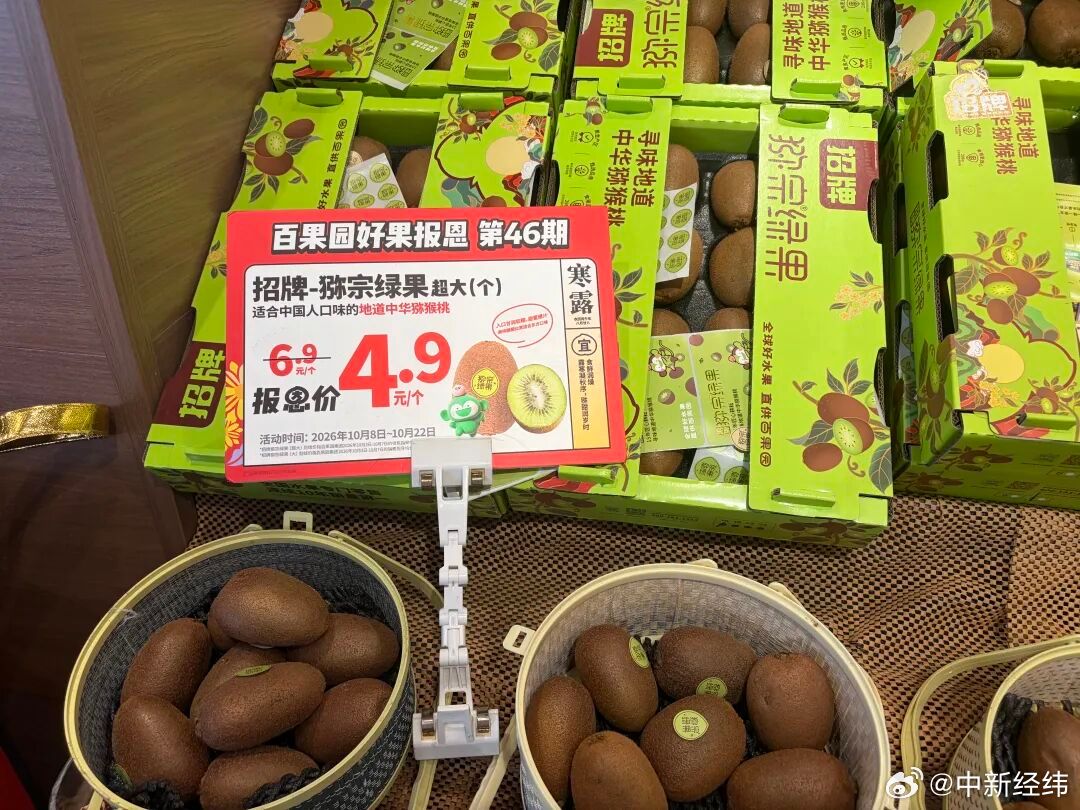
Pagoda built its business on a simple bet: that enough Chinese shoppers would pay a premium for fruit that was bigger, sweeter, and reliably the same. For years the bet paid — the company listed in 2023 as China's self-declared "first fruit-chain stock", with thousands of bright, refrigerated stores. The latest numbers suggest the wager is failing at the mass scale it was meant to reach: more than 1,600 stores closed in two years, revenue has fallen below 10 billion yuan, and losses over the same stretch have reached 700 million yuan, as CNS Jingwei's summary of the financial reports set out.
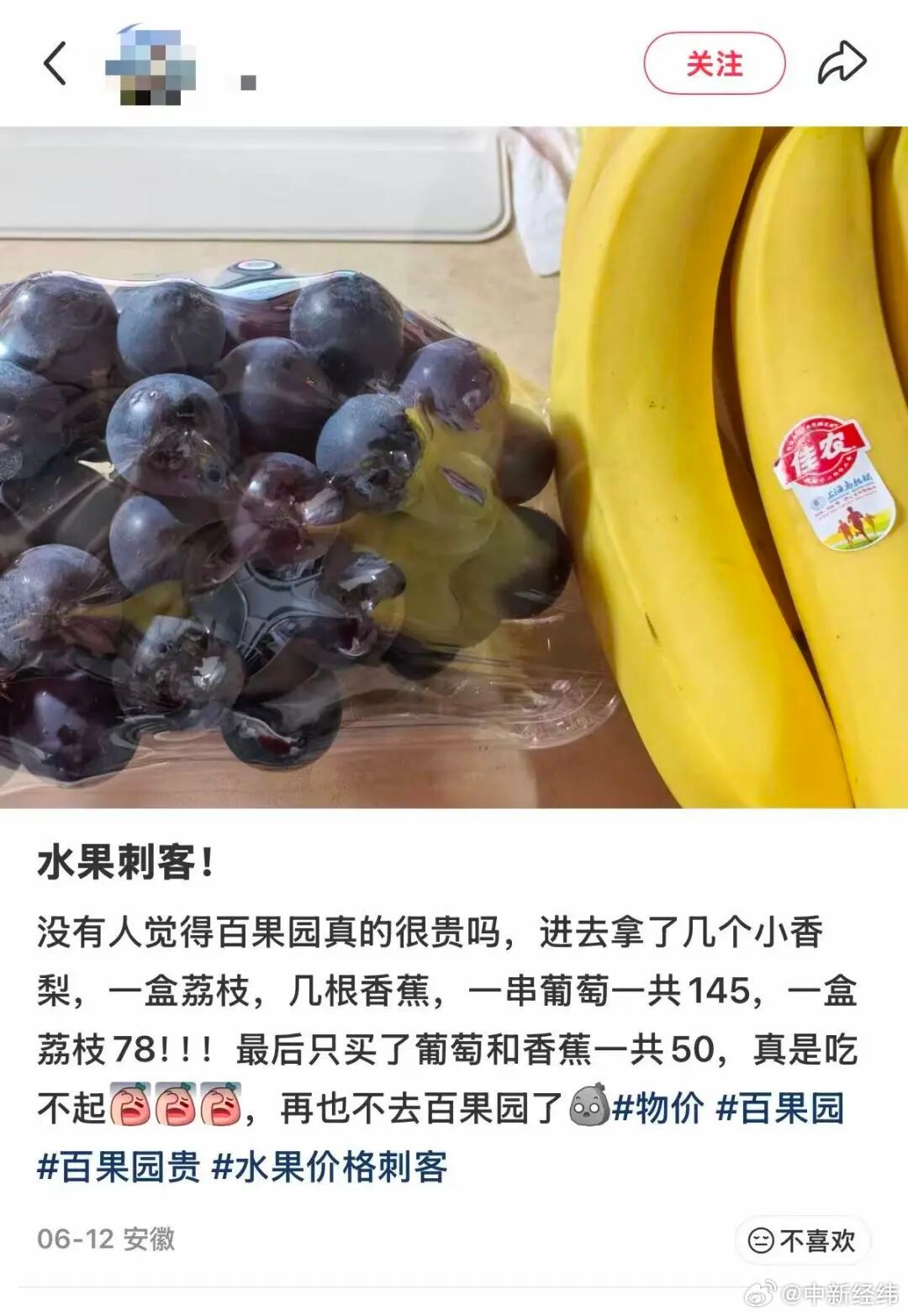
The price is the point of the complaint. On Weibo, screenshots of Pagoda receipts circulate under the tag "fruit assassin" (水果刺客) — the slang for everyday goods whose price ambushes you at the till. One post doing the rounds lists grapes, lychees and bananas totalling 145 yuan, with a box of lychees alone at 78.
The company's own response made things worse. Asked about the "too expensive" label in August 2025, founder Yu Huiyong replied that Pagoda would not cater to consumers — "we are educating consumers to become mature" (我们在教育消费者成熟) — a line that has followed the chain through every bad quarter since. Membership-fee income, one measure of how loyal that educated base really is, fell 53% year on year in the 2025 reports.
There are green shoots, and the chain's defenders point to them: discounting drove more than 500 million yuan of promotional sales in 2025, and the second half of the year recorded a net profit of 25 million yuan. But the arithmetic behind that recovery is the industry's problem in miniature. Pagoda's gross margin now runs at 7.3% — roughly 0.7 yuan on every 10 yuan of fruit sold, before rent, labour and spoilage. The more it discounts to win back shoppers, the thinner that sliver gets.
Reaction to the numbers split between the analytical and the blunt. One commenter diagnosed the model from personal experience: an apple for 10 yuan, a melon for 50, a fruit basket for three to five hundred — quality genuinely better than the supermarket's, and tolerable while the economy was up. "Now? No need to discuss it." Another was blunter about the customer base: there are only so many shoppers willing to pay boutique prices for grapes.
The lesson Chinese business commentary has drawn is that "premium" was never a defence — it is a price, and prices are the first thing a tightening consumer cuts. Pagoda's remaining bet is that discounting can hold the stores while the brand recovers. The second-half profit suggests it can, at least for a quarter; the 7.3% margin suggests how little room is left for another bad year.