Why China's Best Bakeries Buy Their Flour From Japan
China grows more wheat than any country on earth, yet its premium bakeries advertise loaves made with Japanese-milled flour. A 36Kr explainer trending across the boards this week walks through why — and the answers say a lot about what 'premium' means in Chinese food retail.
A loaf of bread sold as premium in China is routinely advertised with one detail above all: the flour came from Japan. A 36Kr explainer, trending on Baidu this week, opens from that observation and asks the question any outsider would ask next — China grows more wheat than any other country, so why is Japanese flour the status symbol?
The examples it collects read like a tour of the high end of Chinese baking. A well-known supermarket chain's "Camellia spring-water toast", one of 2025's viral bakery products, built its pitch on Nisshin's Camellia-brand Japanese wheat flour. A Chengdu bakery that bills itself as French-pastry royalty for southwest China uses Japanese high-end flour as its core ingredient. Smaller bakeries, the article notes, slap "imported flour" on their marketing almost as a reflex, to attract exactly the customers willing to pay more.
The paradox is sharper because of what Chinese wheat is good at. The country's wheat supply is bred and milled for the foods Chinese people actually eat — noodles, dumplings, steamed buns — and the explainer's argument is that bread is a different technical problem, one that Japanese milling, refined over decades for soft, sweet sandwich loaves, currently answers better. The status play does the rest: on the shelf, "Japanese flour" functions less as an ingredient list than as a quality certificate.
Bakers on Weibo, where the piece travelled, are more sceptical than the marketing. One baker who took apart the numbers in a widely shared post pointed out that the mystique collapses at wholesale scale: a 25-kilogram bag of Camellia or its rivals works out to about 5 yuan per 500 grams — the same as domestic flour — and only the small 500-gram and 1-kilogram retail packs, at roughly triple the price, carry the premium. The flour is indeed a little finer, she concluded, but in a finished cake or loaf she can't taste much difference. "I think it's mostly a placebo effect," she wrote — expensive flour ought to be better, so people decide it is.
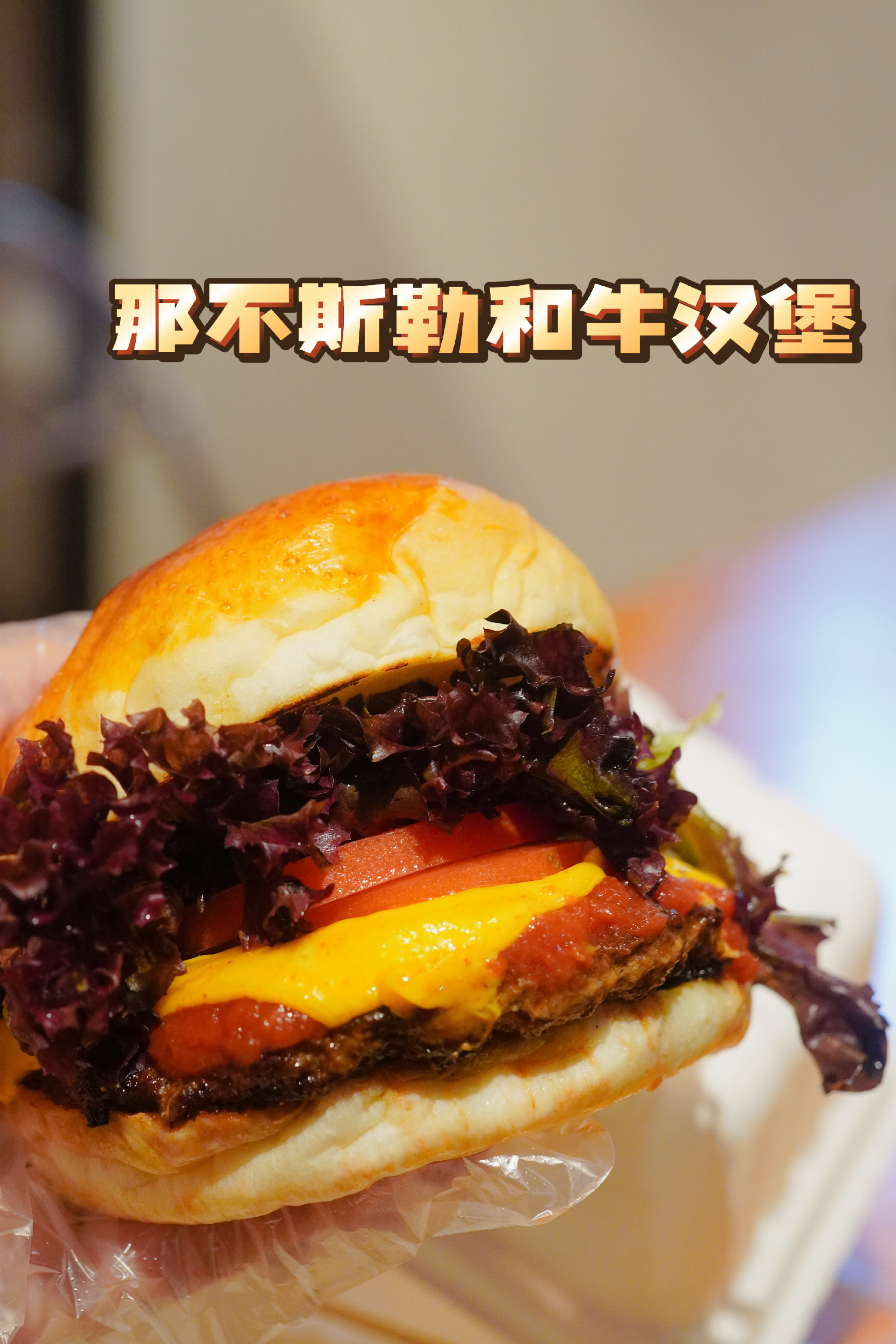
Where the flour actually shows up is on menus as a boast. A popular burger review out of Zhuhai praises a bun made with the same Nisshin Camellia flour, and relays the owner's line with real pride: in the whole bun, practically the only thing that is Chinese is the water. The beef is Australian, the seasoning is salt, and the flour is imported — a hierarchy of ingredients that would have been unremarkable in Tokyo, sold as luxury in a cafe in Guangdong.
The explainer lands where Chinese food commentary usually does these days: at the intersection of genuine quality differences and the premium that marketing places on top of them. China's first-tier milling firms have been improving domestic bread flour for years, and the bakers' consensus online is that the gap has narrowed to a sliver. What hasn't narrowed is the value of the words "imported from Japan" printed on a bread label — which is, in the end, what the 5-yuan-a-jin flour is really being sold as.