An 821-Gram Jurassic Bird From Fujian Reshapes the Story of Bird Flight
Chinese palaeontologists have described the earliest known bird that could not fly — a ground-running, 821-gram species from Jurassic Fujian published in Nature — evidence that bird evolution was not aimed at flight from the start.
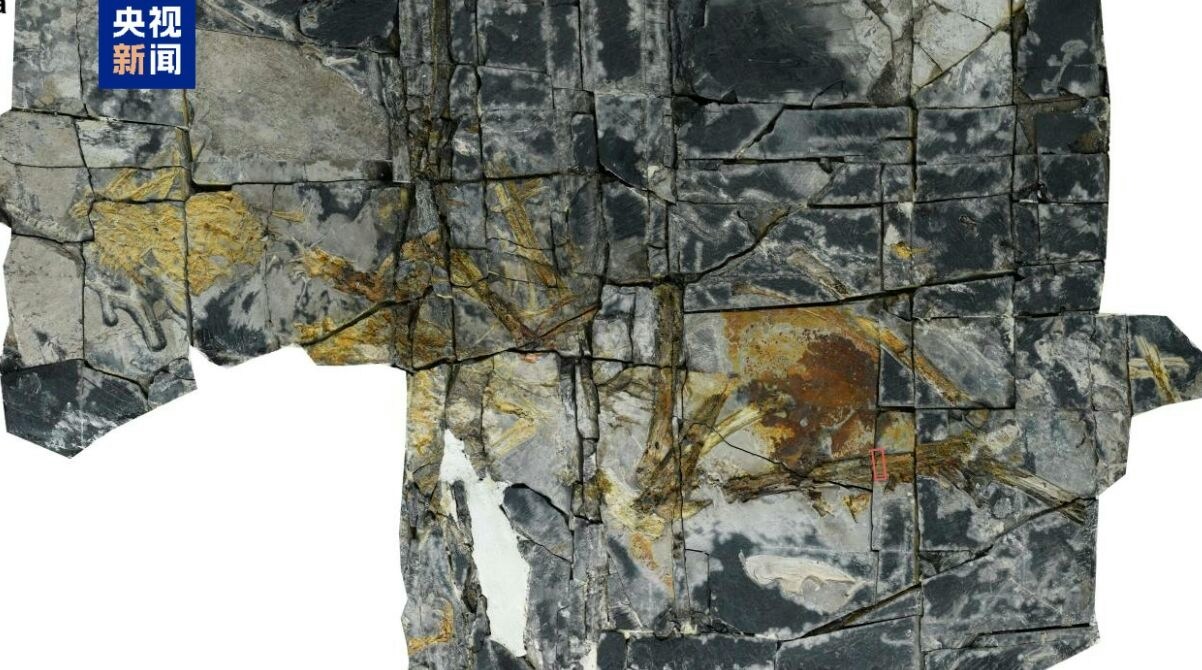
The first thing China wanted to know about its newest fossil bird was how to pronounce it. The species is named 杨源鸑鷟 — Yangyuan yuezhuo, the characters 鸑鷟 read yuè zhuó, the name of a bird from classical Chinese legend — and within a day of the announcement a trending hashtag was walking readers through the pronunciation, syllable by syllable. The harder question the bird poses took longer to state: it could not fly.
A team from the Institute of Vertebrate Paleontology and Paleoanthropology in Beijing, working with the Fujian Institute of Geological Sciences, spent years excavating at Zhenghe county in Fujian province before pulling out the specimen described in a paper published in Nature on October 14. At roughly 821 grams, it is the earliest bird yet known to be flightless: a ground-dwelling, running, meat-eating bird that lived well over a hundred million years ago, in the Jurassic, alongside the dinosaurs from which birds descend.
That single fact upends a story palaeontology has told for more than a century and a half — that from the moment birds split from small carnivorous dinosaurs, evolution bent everything toward flight: feathers first, then wings, then the whole airborne apparatus. Archaeopteryx, the Late Jurassic icon, set the template: a bird-shaped animal read as a prototype on the way up. The Fujian bird shows an early lineage walking off in the other direction, fully bird yet built for the ground — evidence, as the institute put it, that "bird evolution was not oriented toward flight from the beginning."
For Chinese readers the announcement landed as the second such revision inside a month. In early October a Nature Communications study led from China argued that Liaoning's famous four-winged feathered dinosaurs built their flying apparatus independently of birds rather than as prototypes of them — a paper this site covered — and now Fujian supplies the flightless counterpoint. Between the two, the country's fossil record is redrawing the dinosaur-to-bird transition faster than textbooks can reprint it, and state media flagged it as exactly that: "The secret of how dinosaurs became birds has been found by China," ran the headline on the Anhui news outlet's summary post, which called the find the earliest flightless bird humanity has discovered.
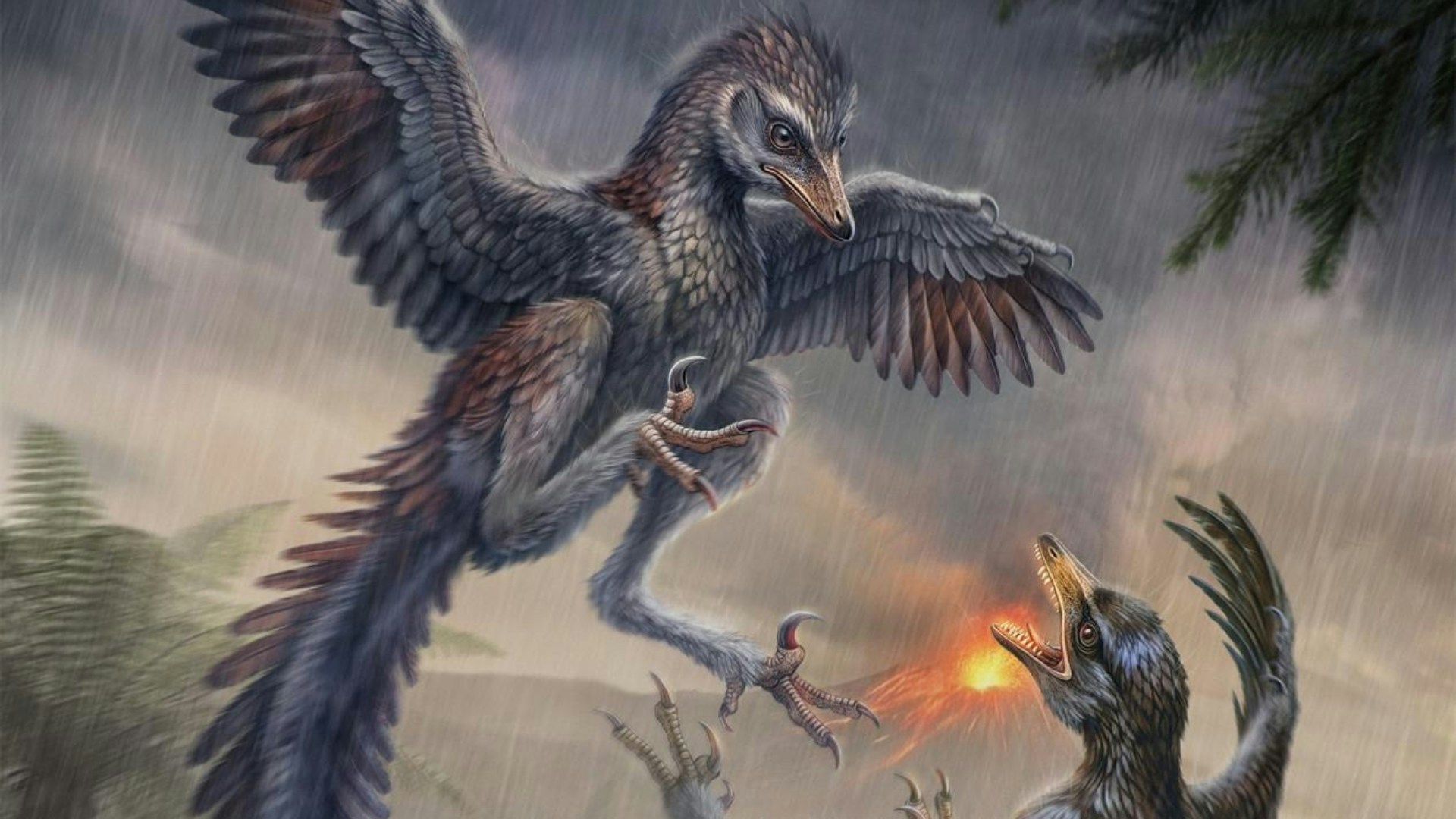
The story travelled on Hong Kong and mainland outlets alike — HK01 carried the institute's announcement with the specimen photographs, and Global Times bundled it into its evening roundup of scientific discoveries — but its purest expression may be the pronunciation hashtag itself. A bird that rewrites one of evolution's founding narratives arrived wrapped in a word most readers needed spelled out for them: a legendary name for a real animal that, on the best current evidence, watched the origins of flight from the ground.