An AI-Made 'Condor Heroes' Is Winning Praise Over Human-Made TV
An AI-generated adaptation of Jin Yong's wuxia classic trended this week on a striking claim — that the machine-made version looks better than the human-acted ones — and the argument it set off runs from cheap-CGI complaints to an AI revival of the 1983 classic's cast.
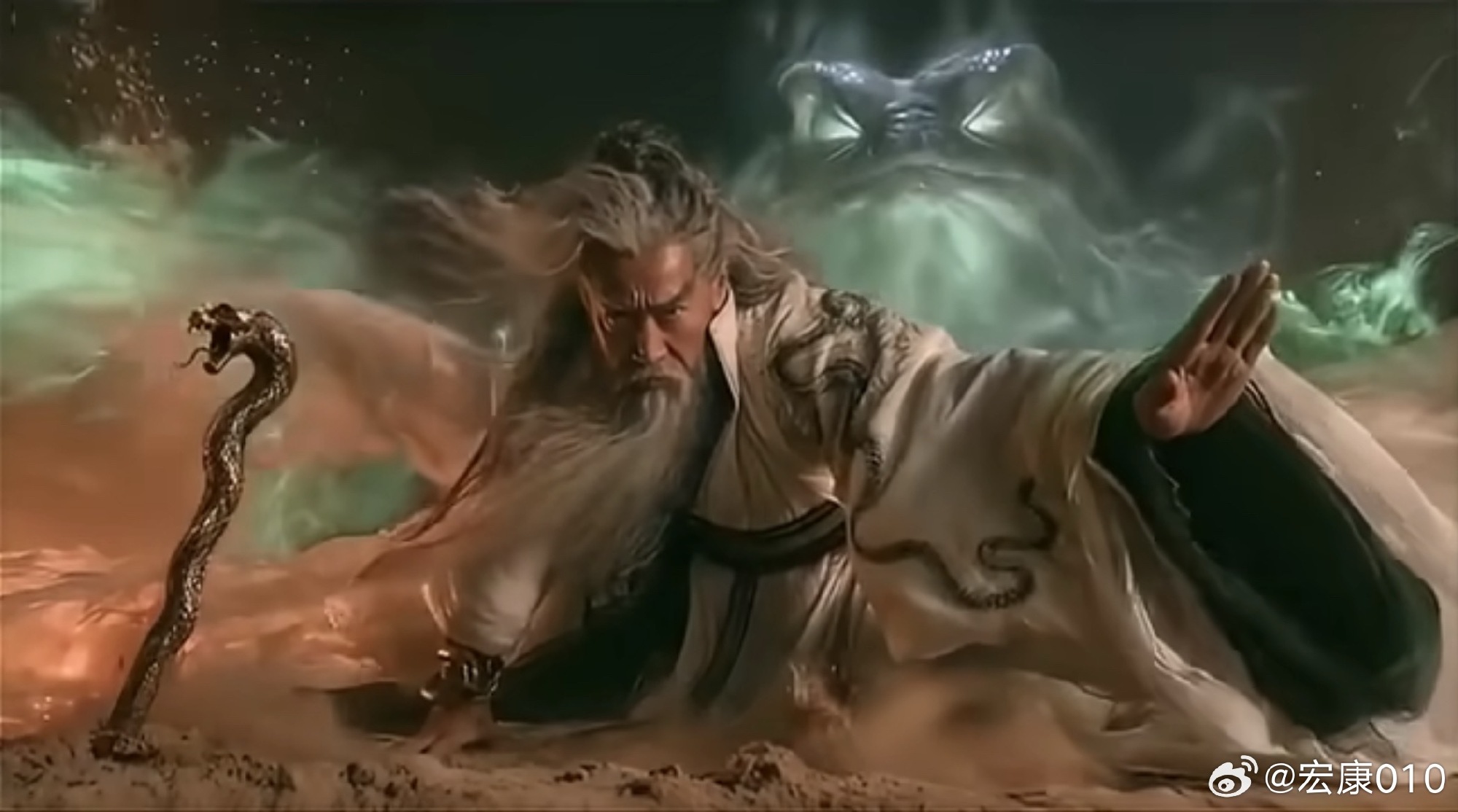
Few novels have been televised as often as Jin Yong's "The Legend of the Condor Heroes," and each generation of Chinese viewers holds its own version canonical. This week's contender was made by no studio at all: an AI-generated adaptation whose viral moment came packaged as a verdict — the hotword trending since Thursday reads, translated, "the AI Condor Heroes looks better than the human-acted one."
The endorsement carried a specific grievance. "The AI-shot Condor Heroes honestly does look better than the human version," one tech-industry commenter wrote. "Huang Rong's voice is even passable — one TV Huang Rong had a duck-honk voice that made me switch channels the moment she opened her mouth." The point lands because Huang Rong, the novel's quick-witted heroine, is the role on which every adaptation is judged; casting her is a national spectator sport, and the bar for the voice, apparently, has not always been cleared by professionals.
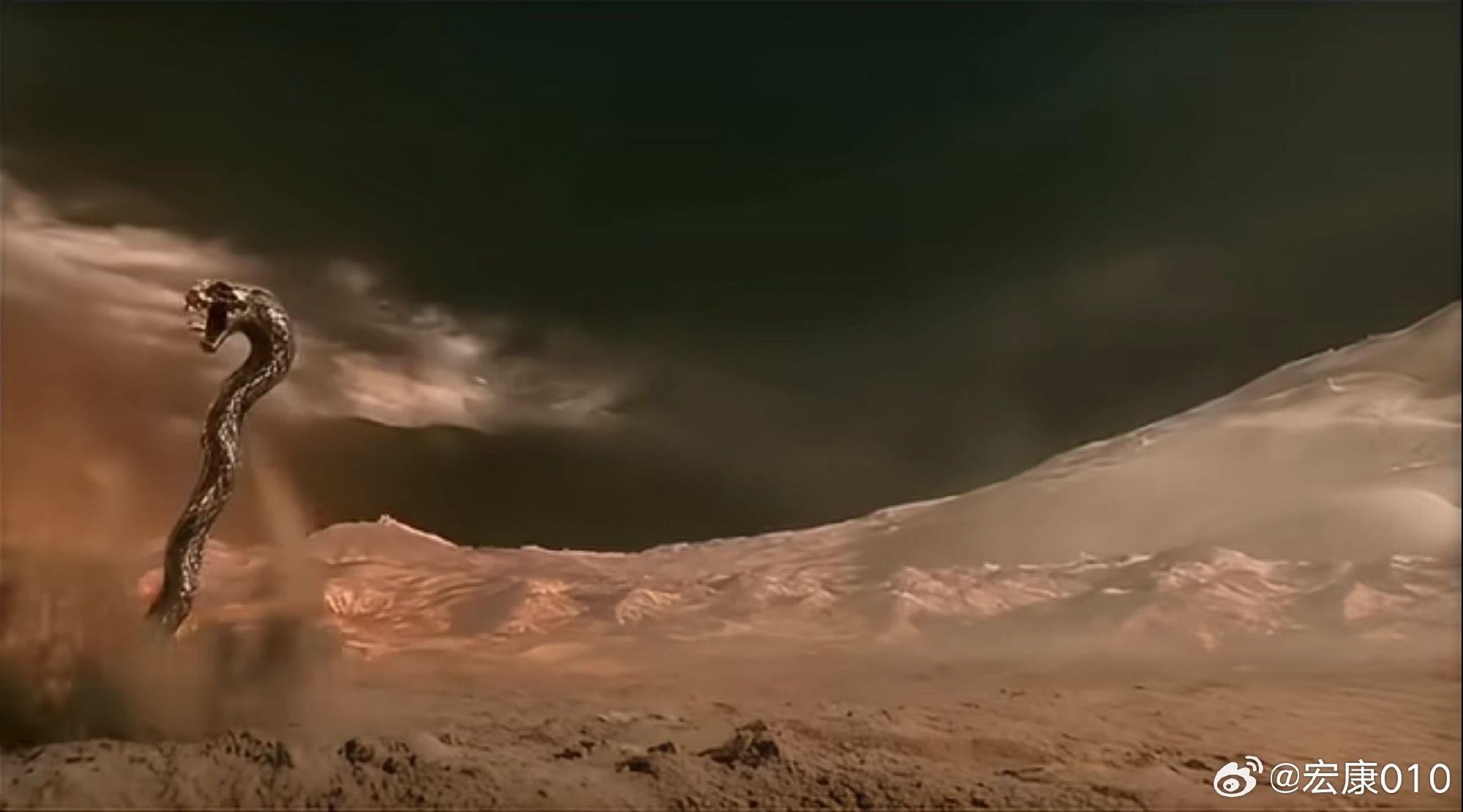
The dissent was just as immediate. "Plastic texture from end to end," another viewer replied, calling it worse than the "five-mao special effects" — the standing Chinese joke for bargain-bin CGI, priced at the 50-cent coin. His screenshots make the case visually: a serpentine beast rearing from a desert, a white-haired martial-artist posed against a glowing creature — wuxia imagery with the sheen of a cutscene rather than a set.
Between the two camps sat the post that reframed the argument, and it was reposted more than 1,000 times: an AI video that revives the cast of the 1983 television version — the adaptation a whole generation treats as untouchable — and lets viewers watch those actors young again. "Some have become today's stars, some have gradually left us," the post read, "but the classic is the classic. Seeing their former selves this way is wonderful. Thank you, AI." Here the machine is not competing with human drama but embalming it — a memorial use that even the skeptics paused to salute.
The wider mood on the question is more ambivalent than the hotword admits. On Zhihu, a thread on AI short dramas collects viewers who find that after bingeing machine-made shows they prefer anything acted by people; another asks why Zhang Jizhong's human-made Jin Yong epics, once faulted for their production values, are suddenly being praised on their merits. We have tracked this reversal as AI dramas push human actors out of China's micro-drama boom.
What the week settles, in the end, is nothing — and that is the finding. An AI remake good enough to beat one beloved production on voice acting, plastic enough to be dismissed in one line, and moving enough to resurrect a 1983 cast has not replaced human television; it has made viewers articulate, perhaps for the first time, exactly what they want human television to be.