Lei Jun Chooses the Stands Over the VIP Box at a Jiangsu City League Match
Xiaomi's founder turned up at the Xuzhou leg of the Su Super League on Friday night and watched from the general stands with everyone else — the latest signal of how China's city football leagues have become the summer's most valuable seats, with Hubei now launching its own version.
Lei Jun was in Xuzhou on Friday, and the question of where he would watch the football briefly mattered more than the football. Xiaomi's founder had spent the day handing keys to the first owners of the company's new SUV at a delivery center in the city — photographers caught him opening car doors for owners — and when evening came he turned up at Xuzhou's stadium for the local team's match against Huai'an. He did not take a VIP box. As Litchi News put it, he stood on the general stands with the fans, "in the middle of a roaring crowd," close enough to be filmed cheering as Xuzhou went 2-0 up before halftime.
The league he came to watch is the Su Super League — Su Chao — Jiangsu province's competition between amateur teams drawn from its thirteen cities, now in its twenty-first week and drawing crowds and broadcast coverage that many second-tier professional clubs would envy. On Friday night alone, Baidu's live board carried Yancheng against Nantong, Changzhou against Suzhou, Nanjing against Zhenjiang — a full provincial slate, with The copy decks around each fixture written like derby rivalries ("the one that needs to survive against the one that wants to rise").
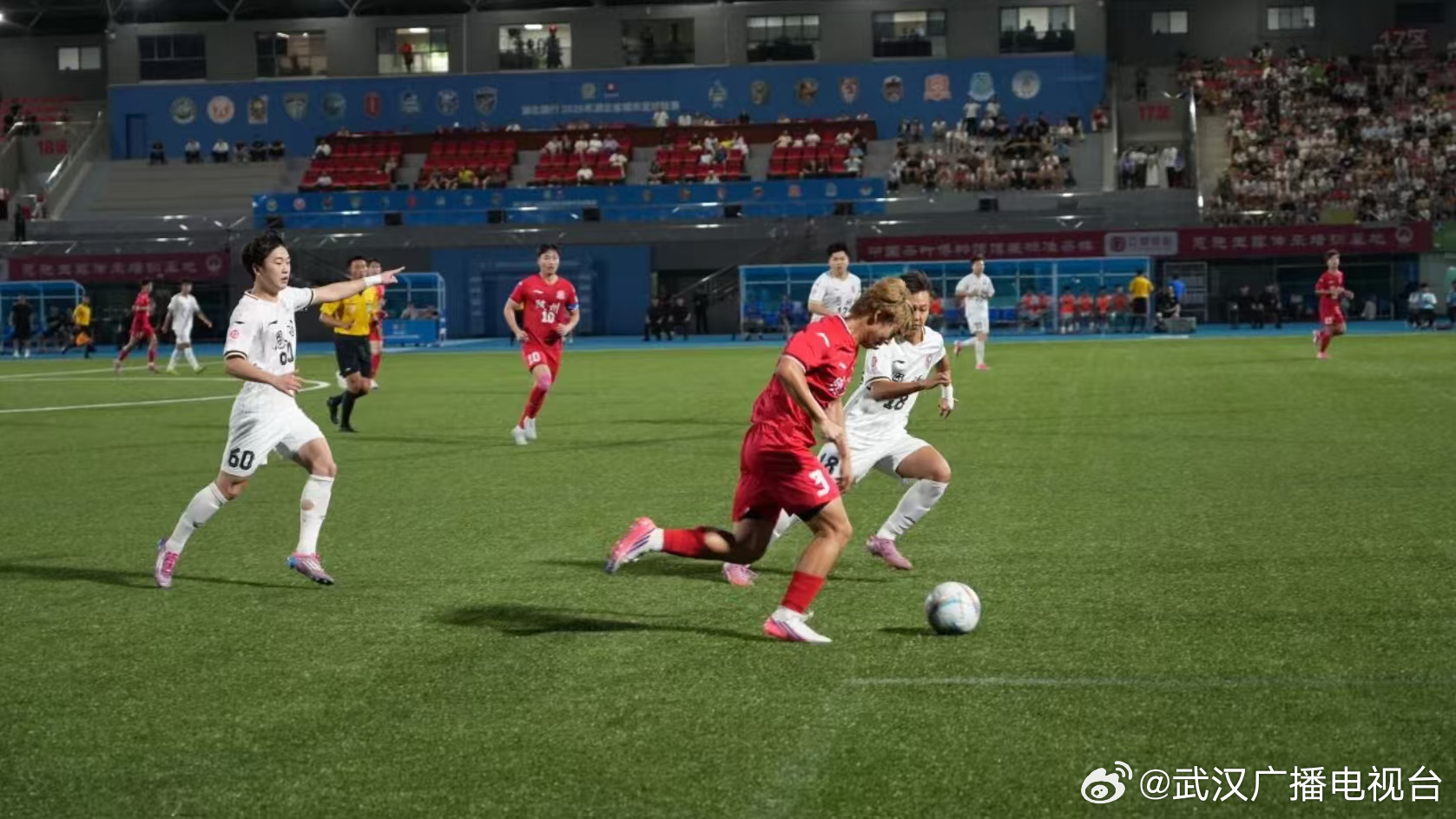
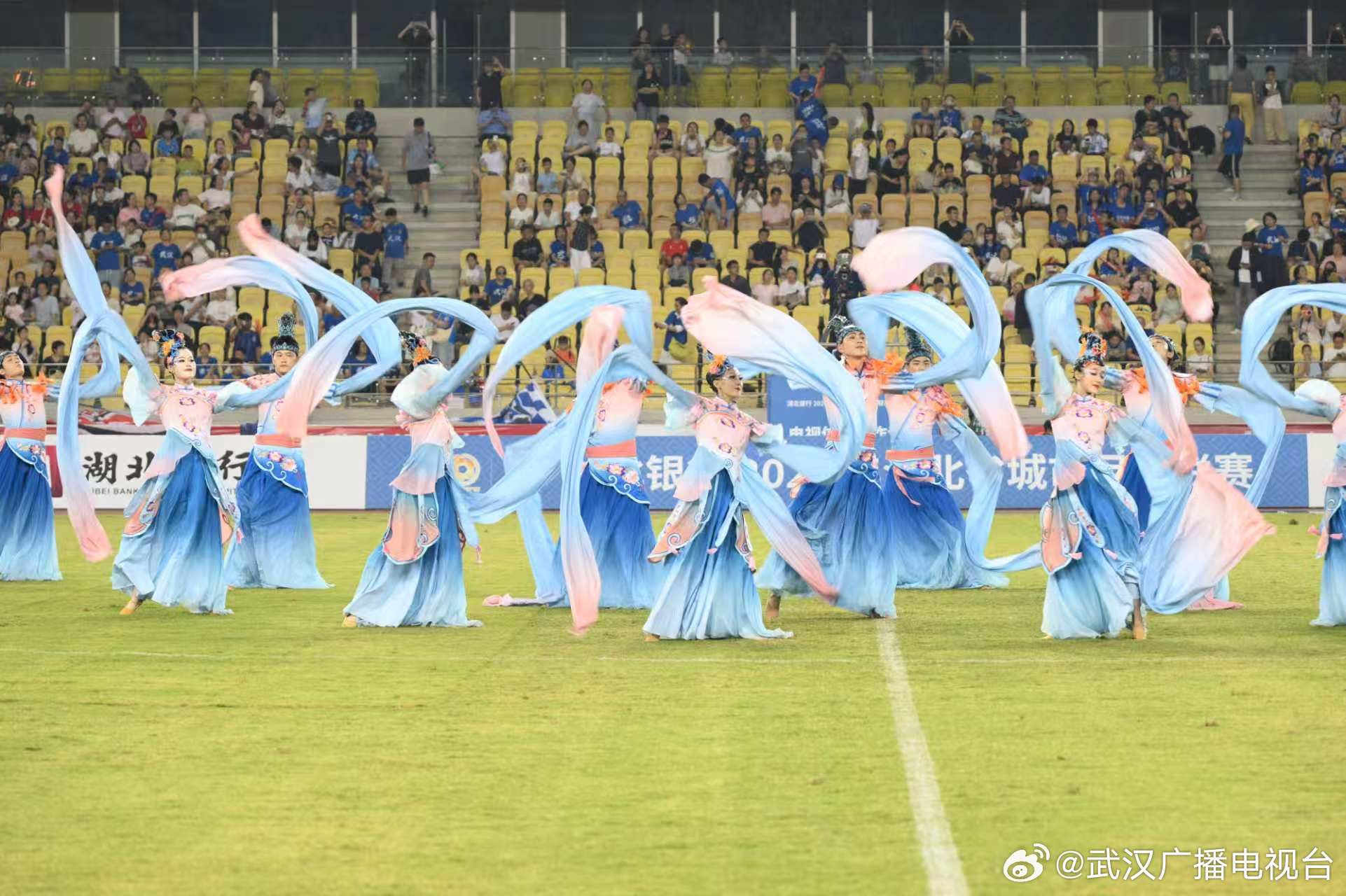
The form has traveled. This summer Hubei launched its own provincial league, the Chu Super League, where Wuhan's team — nicknamed for the city's hot dry noodles — is on a home winning streak against sides from Enshi, Shennongjia and beyond, and posters bill the fixtures as food fights: hot dry noodles versus the "little potatoes" of Enshi. On Friday, as a full weekend slate approached in both provinces, a fixture in Fujian's equivalent league produced its own small legend: when Fuzhou played Xiamen, Suzhou fans sent encouragement eight hundred kilometers north, and Fuzhou's supporters answered with a pun — score against the "teaching-health Soviet," and cheer for Suzhou — a wordplay on the two cities' shared "su" characters that had commenters calling it the best tactical vision in Chinese football.
Why does a billionaire standing among ordinary ticket-holders matter so much here? Partly it is Lei Jun's own cult of accessibility — the door-opening deliveries are part of a persona built on being the opposite of a distant tycoon. Partly it is what the leagues have become: municipal identity made sport, with cities fielding local players and local banter rather than imported stars, at ticket prices measured in tens of yuan. Chinese professional football has spent a decade recovering from the boom-and-bust of the super-club era; the provincial leagues are the game rebuilt small, cheap and local — and on Friday night, from the general stands in Xuzhou, China's best-known CEO was one of roughly everyone in the stadium.