Liu Xiang Buys Out His State Post, Then Donates 11 Years of Untouched Salary to Tibet Relief
The Olympic hurdler ended an 11-year retirement-placement dispute on Wednesday, announcing a September 1 buyout worth 494,000 yuan and donating his entire state salary of 982,935 yuan — untouched since 2015 — to mudslide relief in Tibet. The Shanghai sports bureau's official reply did not quiet the debate.
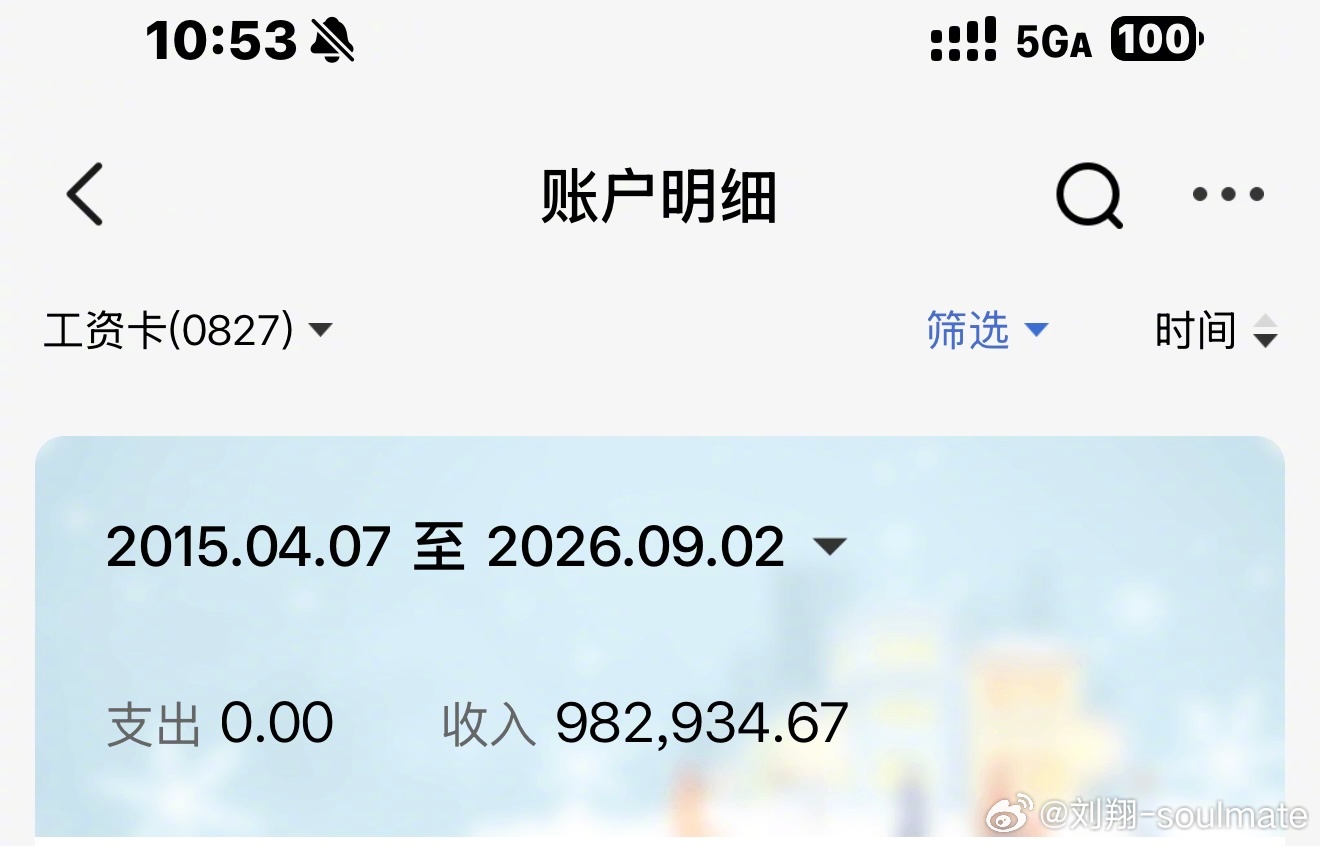
Eleven years after he last raced for China, Liu Xiang has ended his standoff with the Shanghai sports establishment on his own terms. In a statement posted on Wednesday — liked more than 600,000 times within hours — the 2004 Olympic 110m hurdles champion announced that he took a buyout from the Shanghai Municipal Sports Bureau on September 1, collecting 494,000 yuan to sever his ties, and donated his entire post-retirement salary, 982,935 yuan, to disaster relief in Tibet.
The proof he attached was the detail that set the internet alight: screenshots of his state salary card, showing income of 982,934.67 yuan since April 2015 — and expenses of exactly 0.00. In eleven years, the man who ran 12.91 to win gold in Athens had touched none of it. That averages to about 7,200 yuan a month, roughly what a junior clerk in Shanghai earns.
The settlement closes a fight the site has followed since August, when Liu Xiang asked Weibo whether he should accept a coaching post or a buyout — a choice, he said, he was given no part in designing (our coverage, and the dispute as it turned public in this earlier article). The bureau's own statement, issued Wednesday and carried by CCTV, insists he was offered organizational positions — a track centre directorship, a technical director job, university posts — and "fully respects" his choice of self-employment. It calls him a meritorious athlete "engraved in Shanghai's sports history" (the full statement).
His answer to that was the sharpest line of the day: rules, he wrote, are never an excuse — and a choice that arrives eleven years late is no longer a choice (规定从来不是借口,就像当教练和买断,迟到了11年,也已经不是选择). He said he never received the state post his file implied — the bureaucratic condition known as "on the establishment, but not at the post" — and asked why the reckoning had to come now: why, after eleven years, the hurry to make him pick one of two?
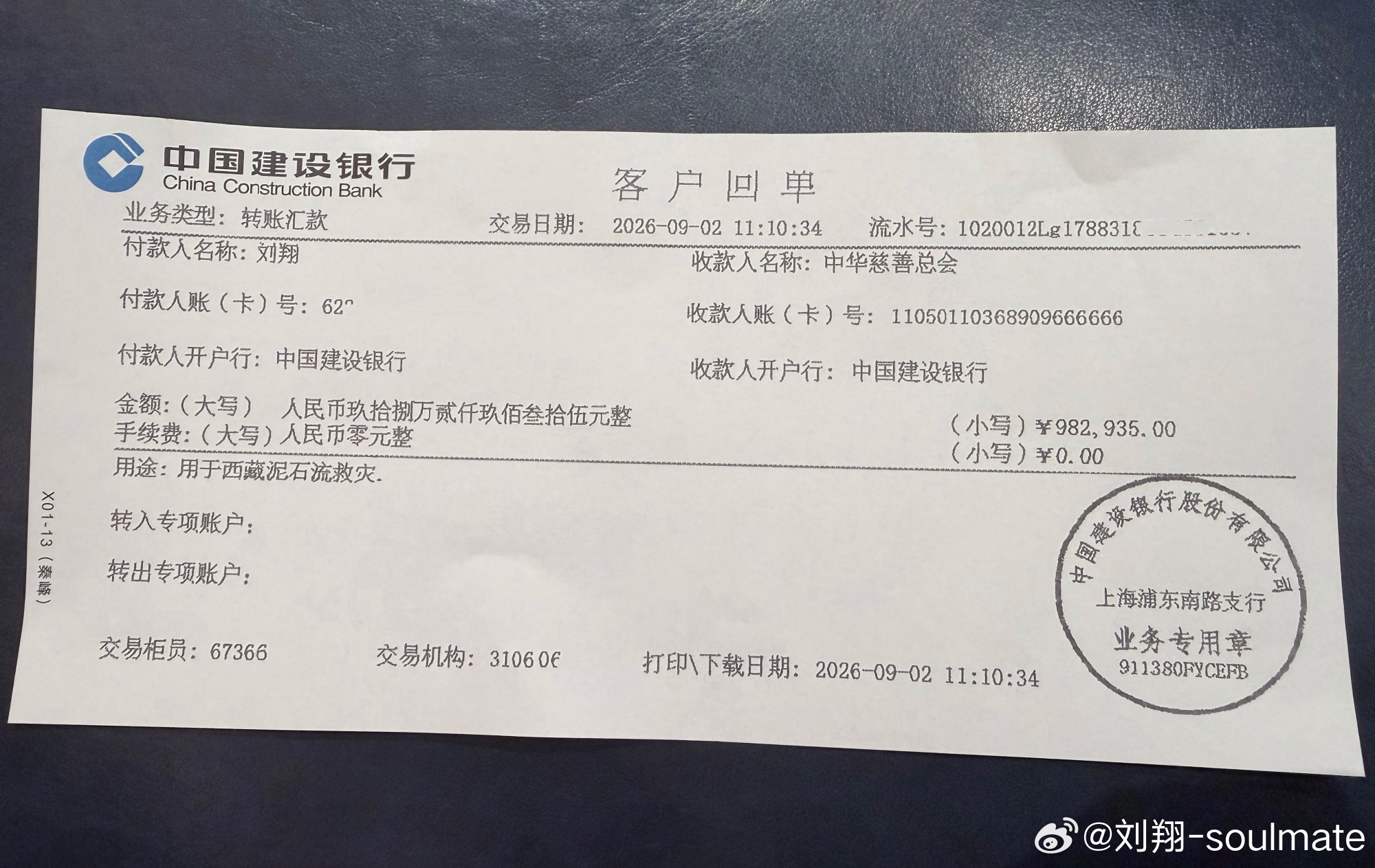
The donation — every yuan of salary to relief for the mudslide in Tibet's Jilong County — took the "sinecure" argument off the table before it could be made cleanly. Not everyone was moved: one commentator with a large following argued the record proves he drew a state salary for a decade without working a day. But the inspection record complicates that reading. Last year Shanghai's sports bureau was named by an inspection for lax management and ordered to sort out exactly these "establishment without post" rolls — which is why, as one post put it, Liu Xiang became the visible test case of a clean-up already under way.
Caixin's editorial page argued the deeper question is neither the buyout nor the delay but the opacity of a system that leaves even a national icon feeling he had no options at all. Liu Xiang asked the same thing in his own closing: that the organizations "seriously consider the way out for every retired athlete, who traded their entire youth and health, some left with permanent injuries."
With a lifetime Nike contract reported at 14 million yuan a year (as we wrote in August), he needed neither the post nor the payout — which is precisely why his case became the argument for those who do. The bureau has promised to keep "optimizing" placement policy; whether that reaches the athletes who leave the system each year without his platform is the question his exit now belongs to.