Can a Fusion Startup 'Transmute' Gold? Marathon Fusion's Claim Sends China Arguing About Alchemy Again
A Silicon Valley fusion startup's claim that it converted mercury into stable gold — at ten times CERN's record output — set off a Chinese argument about alchemy, cost, and whether 'gold will crash' headlines say anything about the actual gold market.
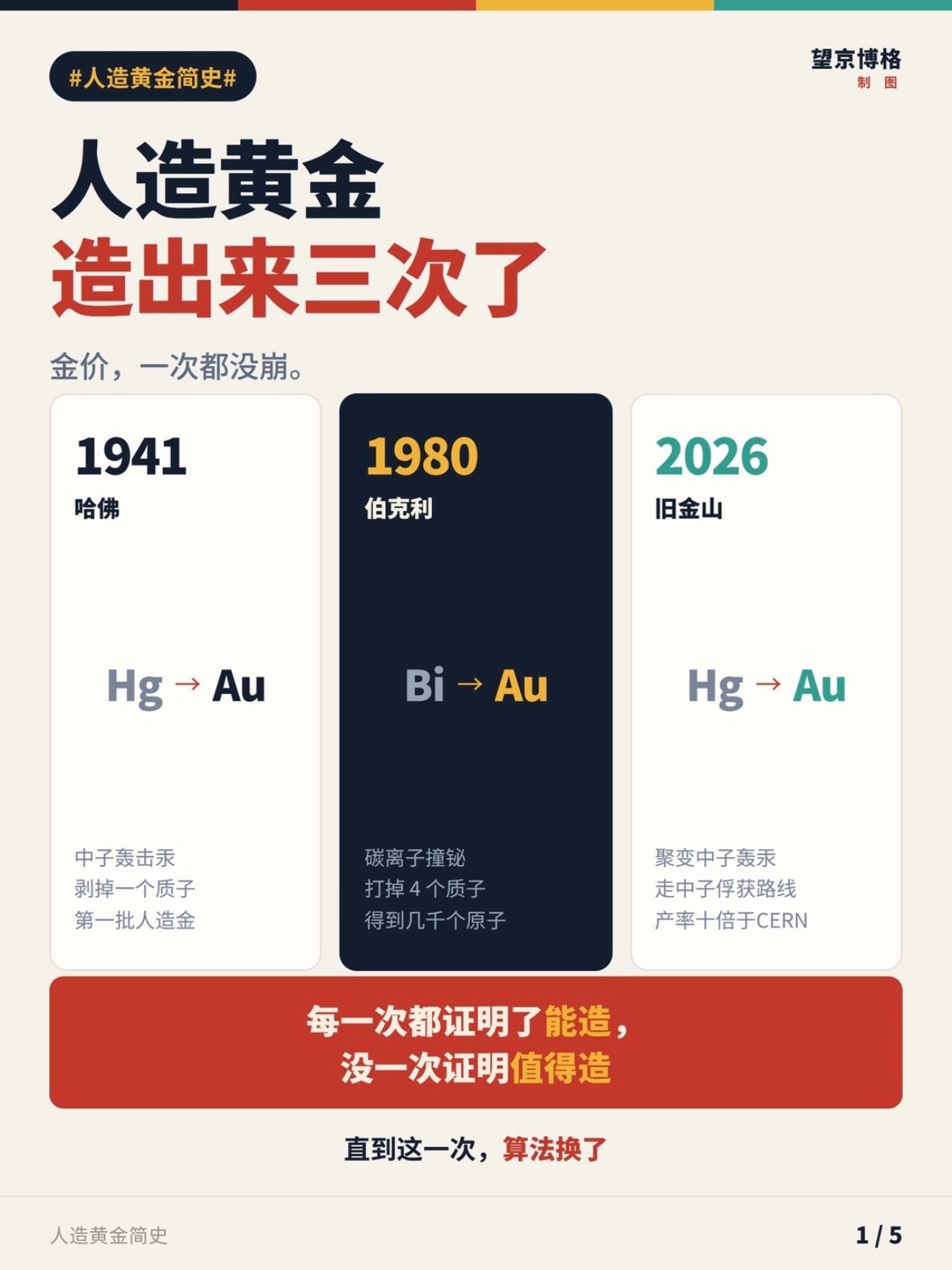
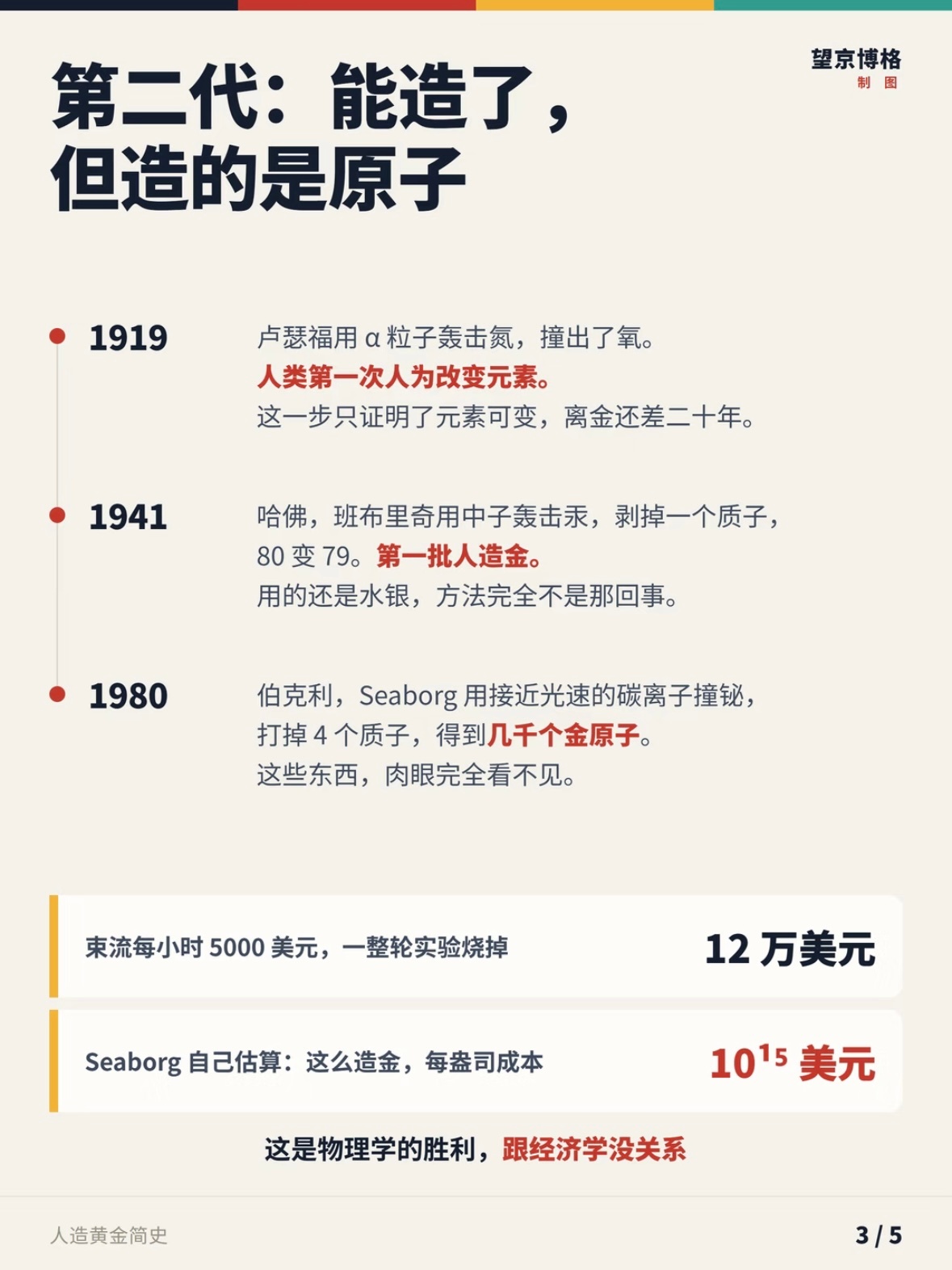
The dream is as old as alchemy, and it arrived on Chinese social media this week in modern packaging. Marathon Fusion, a Silicon Valley fusion startup, announced that it had converted mercury into stable gold — output "ten times" the record set at CERN, whose particle accelerator famously produced about 29 picograms of the metal over its 2015–2018 runs. Within hours, Chinese platforms were asking the obvious question: if gold can be made, does the gold price survive?
The technical answer is a wall of caveats. The claim is unverified by any third party; the output, even if real, is measured in picogram-scale orders below a gram; the process requires a commercial fusion reactor that does not yet exist; and the product, Chinese commentators pointed out, would be laced with radioactive isotopes needing years of decay before it could be handled. Financial-pragmatist posters went further, arguing that since Earth's gold arrived via neutron-star mergers and supernovae, no reactor can make it cheaply. "Gold isn't like diamonds," one commentator wrote. "It's not that easy to make, and the cost is astronomically high — how could it possibly undercut real gold?"
A second strand of the argument was more sophisticated than the headlines. One widely shared analysis put it that "gold didn't panic — the information ecosystem did": research teams need exposure to raise funding, media need viral hooks, and platforms reward extreme conclusions, with nobody accountable for translating lab-scale claims into market-scale language. The same posters flagged the real risk: retail investors mistaking jewellery gold for investment gold — jewellery prices carry brand premium and labour fees that are simply lost on resale — into panic-buying or panic-selling.
The panic in question is real, if smaller than the headlines. Spot gold this week slipped below $4,000 an ounce and jewellers cut prices by up to nearly 500 yuan per gram from the year's peak — a slide that lands on a generation of young Chinese savers who made the metal their savings vehicle of choice. That story is about interest rates. The alchemy story is about something else: a market so primed for a shock that a startup press release about a technology that does not exist could move the conversation, if not the price, in a single afternoon.