Two Weeks of Hype, Three Days of Audience: 'Princess Shang' Becomes China's Cautionary Flop
Tencent Video's 'Princess Shang', the most-anticipated costume drama of the season before it aired, is now trending for the opposite reason: a viewership curve collapsing within days and a fan-led argument that its 'industrial sweetness' marketing drove ordinary viewers away.
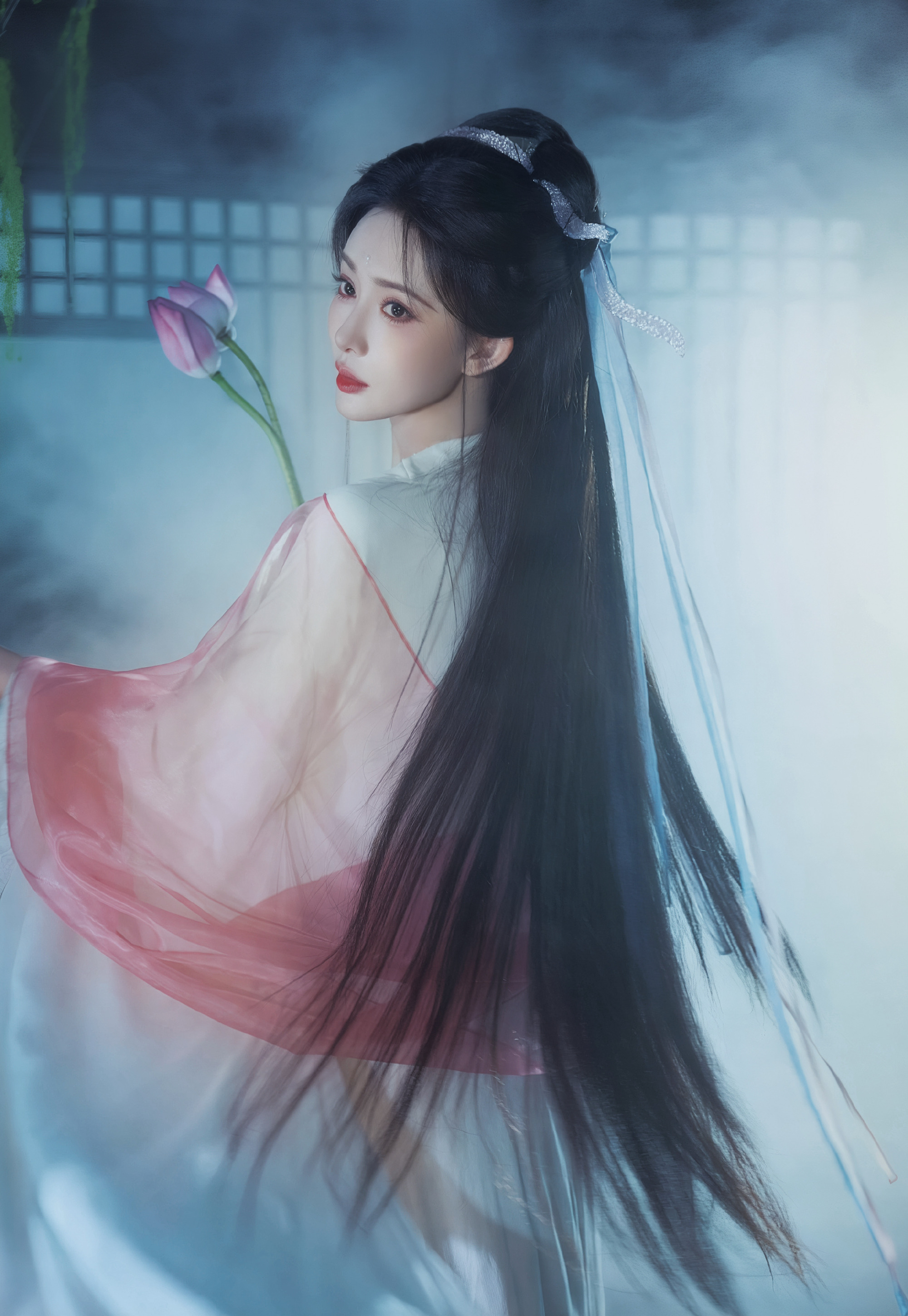
Ten days ago, 'Princess Shang' was the most-anticipated costume drama in China, promoted before a single episode aired; we covered that campaign — stars announcing the date in character, a variety show staging a six-task courtship between them, fan armies marshalled in advance. This week the same drama is trending again, and the conversation has turned from anticipation to autopsy.
The numbers first. A viewership tracker post noted that the drama's heat "crossed over" — chart-speak for a collapse in its ranking — on only its third day, a Sunday no less, and projected a final per-episode average that "as an S-plus production from a major studio, is genuinely hard to look at." A Tencent flagship failure is not a private embarrassment; the platform had built the season's biggest marketing apparatus around it.
The diagnosis trending under the hashtag is blunt. "The biggest mistake this drama made was doing too much fan-service marketing," one of the most-liked commentaries argued: "when it's excessive, casual viewers get annoyed. Who wants to eat factory-made sugar all day? Excess kills both the fan clubs and the drama. A big-studio production played for fools by its own fan couples — now it's learned its lesson: a drama's real support comes from the general audience, not fans and not shipping." The argument is that the show marketed its romantic pairing — the "couple fans", or cpf — so aggressively that it repelled the neutral viewers whose numbers actually decide a hit.

A second hotword filled in the picture. "Veteran actors act their hearts out while the leads look asleep" trended over a scene in which a roomful of seasoned performers trade veiled threats about an old marriage arrangement — while, viewers complained, the two leads' faces barely moved. Defenders pushed back, one arguing the clip was cherry-picked: the scene belongs to the older characters, and the heroine's numbness is the point. Either way, the complaints fed the same verdict: the show spent its budget on its stars' looks and its marketing on their romance, and audiences noticed.
The flop lands in a season where Chinese drama platforms are already cutting back — a wave of cost-cutting rumours Tencent Video had to publicly deny this month. 'Princess Shang' offers the counter-example to its own marketing: a campaign that made everyone in the fan economy feel included, except the people who actually watch.