Two Former Super Girl Best Friends Reunited on Chinese TV After Twenty Years of Feuding
Li Na and Xu Fei finished fifth and sixth in the 2006 Super Girl singing contest, lived in the same dormitory and were known to fans as a duo — then barely spoke for two decades. Mango TV's new friendship-repair show put them in the same room, and the grudge they carried out of it has become the programme's most-watched storyline.
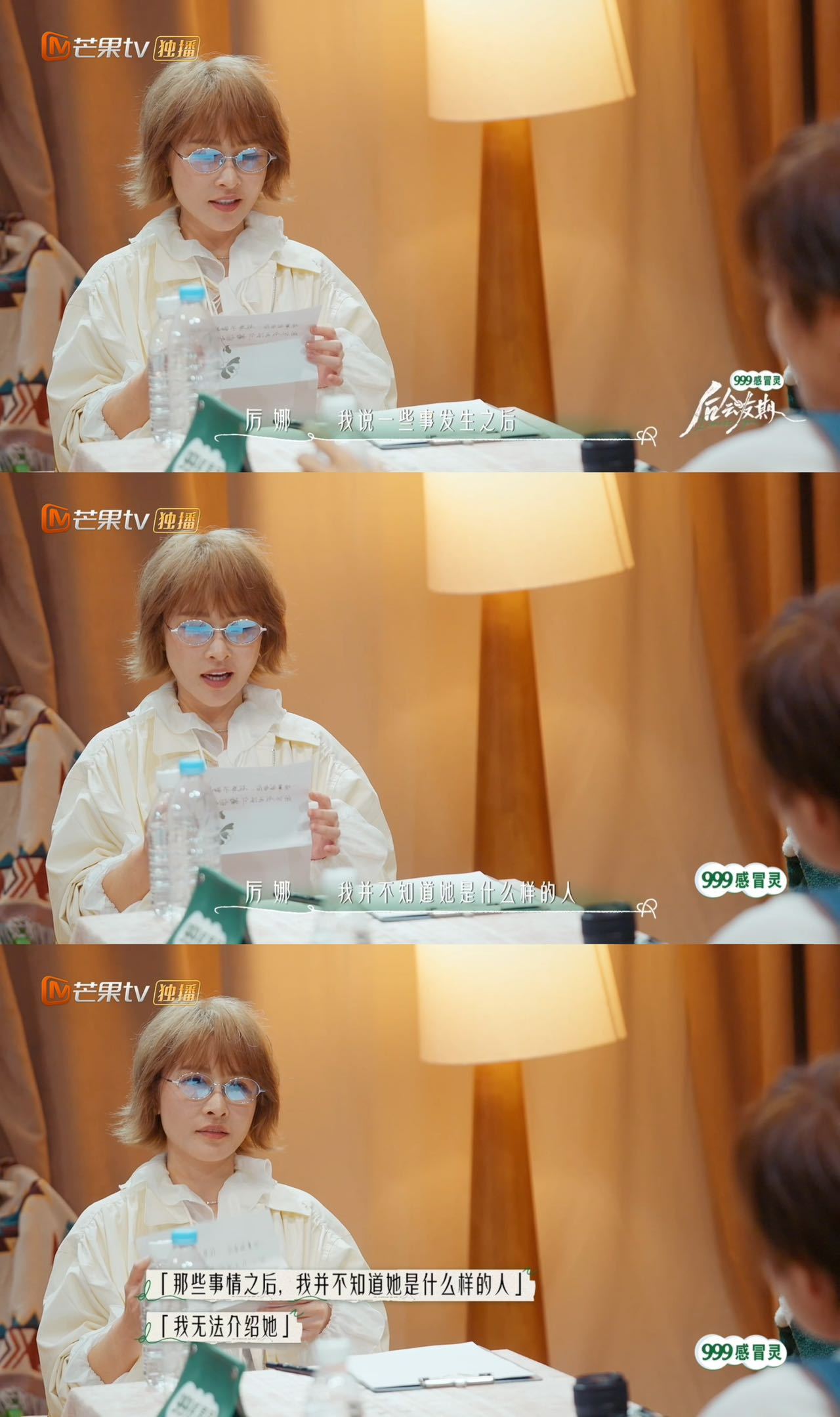
When Mango TV's new reality show Hou Hui You Qi (roughly, "Meeting Again as Friends") announced its guest list this week, the internet's first reaction was mockery: the lineup was full of 糊咖 — "washed-up" celebrities whose fame peaked years ago. Within a day, the mockery had inverted. The pilot episode of the friendship-repair show surfaced an old feud so raw that viewers forgot to be snobs, and the hashtag #别再嫌再见朋友请来的咖糊了# ("stop sneering at the nobodies See You Friends invited") climbed the trending boards as viewers argued that faded fame had made the confrontation more honest, not less.
The pair everyone is watching is Li Na and Xu Fei, who stood side by side in the 2006 season of Super Girl — the Hunan TV singing competition that, two decades on, remains the template for Chinese talent-show fandom. Li Na finished fifth, Xu Fei sixth, both from the Changsha division, where contestants lived and trained together. Fans paired them as the "Fei-Xue" duo, and old footage shows them holding hands on the elimination stage. Then, around 2007, the friendship ended — and the two went nearly twenty years without appearing in the same frame. Xu Fei's old nickname for Li Na had to be excavated from archives with AI search tools.
The grievance, as Li Na tells it, is specific. She believes she confided her career plans to Xu Fei, and that those confidences travelled up to company executives. What followed, she says, was a career freeze: from late 2007 to 2014 her schedule went almost completely blank, and the anxiety grew heavy enough that she says she developed binge-eating and gained weight to the point she calls it her darkest period. She has hated Xu Fei for a long time, she said, to her face.
Xu Fei's answer, in the same room: the accusation is absurd. "Who would I even be able to push out of the industry? You're giving me too much credit" (太抬举我了), she said, adding that she was angry too but "couldn't be bothered to explain." Neither account can be settled on camera, and the show does not pretend otherwise. Its format gives each pair a choice — reach peace and leave together, or part with dignity — and after the confrontation the two were left in deadlock, each with her own version of events.
What has carried the episode online is the asymmetry of feeling on display. Xu Fei spent the taping writing Li Na a long, careful letter full of shared memories; when it was Li Na's turn to introduce Xu Fei, she needed only two sentences to write off the past — and Xu Fei's hands shook as she heard them, one viewer noted. Yet the same broadcast held traces of what the friendship was. A much-shared post recalled the hotel dormitories of 2006, where clean T-shirts Li Na had washed hung drying in the room — "that was Li Na's life, not Xu Fei's life," the post reads, "but with Li Na there, Xu Fei could have that life too."
Mango TV has taken a hard-nosed production angle elsewhere in the show: pairs it cannot afford to seat face to face are parked in the studio observation room instead, a scheduling dodge that has drawn its own criticism as the observation couch outshining the stage. The site has followed this wave of confession-format reality television before — an actress lost 20,000 followers after airing family grievances on an observation show — and the Li Na–Xu Fei episode is testing the same line between honesty and exposure. The difference is that this time, the two women at the centre appear to have wanted the microphone. What the audience is left with is a twenty-year dispute with no adjudicator: one woman's career still visibly broken, the other's denial unmovable, and no reconciliation signed.