Ten Minutes at Luckin: A Viral Blind Date Exposes Matchmaking Fatigue
A woman's post about a man who tried to kiss her ten minutes into a holiday blind date has gone viral on Weibo, opening a wider argument about the endless, exhausting rituals of China's matchmaking culture.
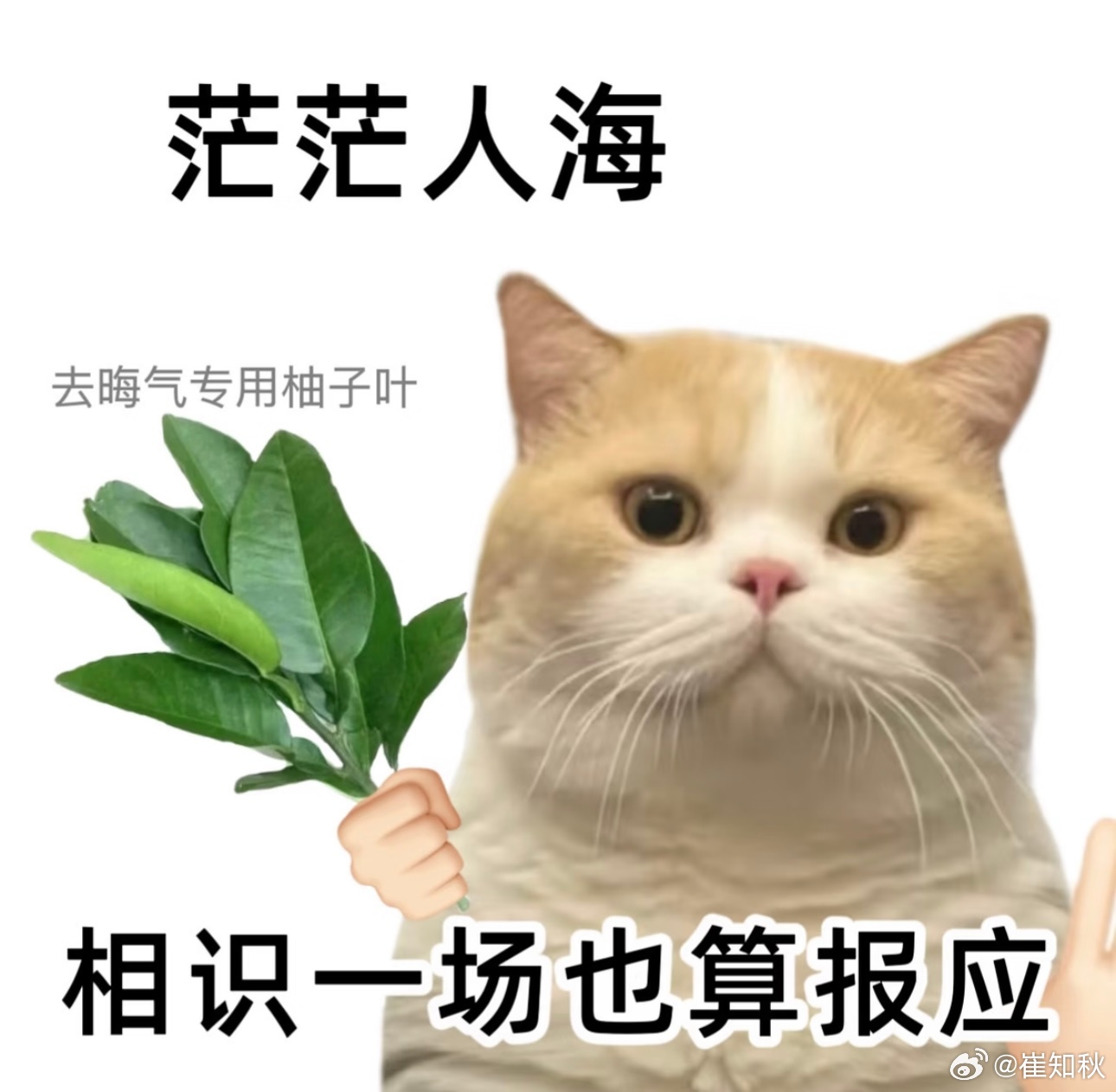
The rules of the holiday blind date, as one woman discovered them last week: meet for a coffee — a Luckin, to be precise — spend under ten minutes together, and keep your hands to yourself. On Saturday, a Weibo user going by Cui Zhiqiu recounted what happened instead. The man her mother's colleague had recommended sat down, she wrote, and before the coffee was finished "he moved over beside me, started pulling at my hand, and tried to kiss me." Her post concluding the saga — "Never introduce me to a match like this again" — is the hashtag now doing numbers on Weibo, and it is carrying a debate about what matchmaking in China has become.
The details are what made it legible to thousands of readers. The setup itself — a parent's colleague's child, brokered through her mother, scheduled into a holiday afternoon — is the traditional script of xiangqin, the semi-formal arranged introduction that Chinese families treat as a serious business. The transgression is that the man ran the script at double speed, in a Luckin coffee shop, with a stranger, inside ten minutes. The post drew close to 10,000 likes and a comment field thick with recognition: those who have been set up with a parent's colleague's child know exactly how many hands such a meeting has already passed through before anyone orders.
The meme attached to the post — a cat being offered a pomelo leaf, the traditional brush-down used to bathe away bad luck, captioned "even just meeting counts as retribution" — translated the mood precisely: the problem is not one rude man but the institution itself. That mood got its fullest airing in a second viral post. Its author says she is worn out by a xiangqin culture of "endless WeChat adds, endless small talk, months of wrangling with no outcome," of people "testing each other, over-scrutinizing, dangling and stringing along" — "purely ineffective socializing," she concluded. Her nostalgia is for a blunter, older system: parents' networks, families who know each other, three to five days to reach a decision, and a clean break if it is a no.
There is a real argument hiding in the nostalgia. The old matchmaking was at least legible — everyone knew it was about family circumstances, and nobody pretended otherwise. Its modern replacement layers courtship conventions on top: apps, assessed compatibility, months of ambiguous texting, with each side priced and evaluating. The result, Chinese commentary has been suggesting, is the worst of both systems — the negotiation of a market with the performance of romance, and no exit ritual that doesn't read as rejection.
This is not happening in a vacuum. Marriage registrations in China rose in 2025 for the first time in thirteen years — we covered the number and its cautious readings — and the site has just hosted a long debate on whether a marriage without love can still be a good life, which drew thousands of responses. The xiangqin fatigue sits against those numbers: a generation asked to marry is increasingly unwilling to run the gantlet that matchmaking has become. If the alternative to the ten-minute grabber is the three-month text-message maze, many appear to be choosing neither.
The Luckin detail is the story's quiet punchline. It is the default coffee of Chinese office life — fast, cheap, transactional — and the match is now priced accordingly. Whether the old-style blunt matchmaking the tired posters miss would really be kinder is unanswerable; what their posts show is that a system built to produce marriages now mostly produces stories that trend, and then die in silence.