China Is Asking Whether a Marriage Without Love Can Still Be a Good Life
A Weibo question about spending a lifetime with someone you don't love has drawn tens of thousands of answers — and the most-liked one, about an aunt who brewed her husband's medicine for thirty years, has turned a private arrangement into a national argument about what marriage is for.
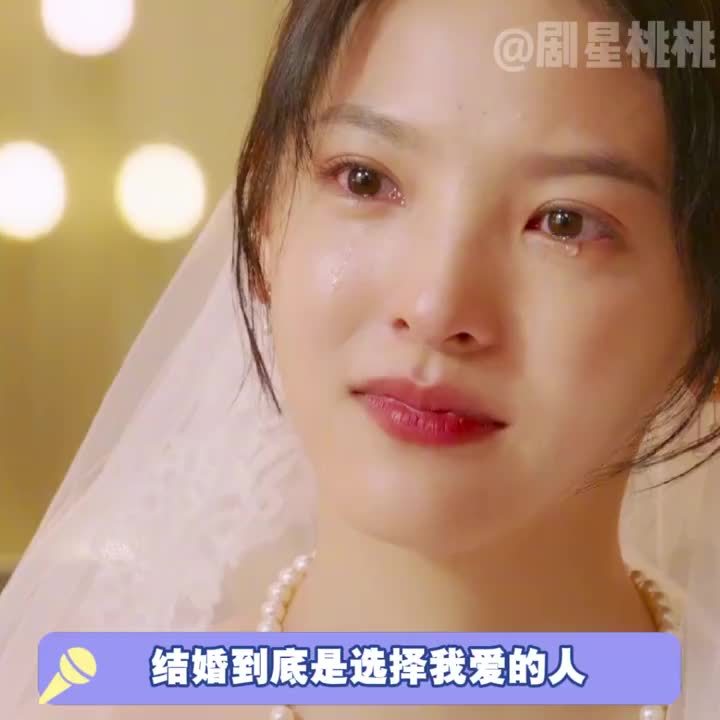
The question arrived on Weibo the way the platform's best ones do, as a single line: can a person live a whole life with someone they don't love? The most-liked answer, posted on Thursday and endorsed more than 13,000 times, was about the writer's aunt. The aunt has been married thirty-four years and has never once quarrelled with her husband — nor held his hand. He fishes; she plays mahjong. In the evenings one watches television and the other knits, a tea table between them, no conversation. "As a child I thought this was just what old couples were," the writer recalled. "Growing up, I understood that they were each living alone in one room." And yet the aunt has brewed her husband's Chinese medicine for three decades, and remembers his dietary taboos better than he does. What is that? Not love, the writer concluded, but not its absence either — habit. "The ledger of a relationship has many columns. Love is only one. The others are called duty, habit, and being too tired to start over."
That answer set the terms of a debate that has run for days, because it declined to be a tragedy. The graphic most often reposted under the hashtag makes the contrarian case in one line: you can live a lifetime with someone you don't love, but not with someone you love — because indifference is forgiving while love is exacting, keeping score, suspicious, demanding. A marriage run as a contract, with columns for money, family and obligation, can tick along smoothly; love is the part that breaks it. 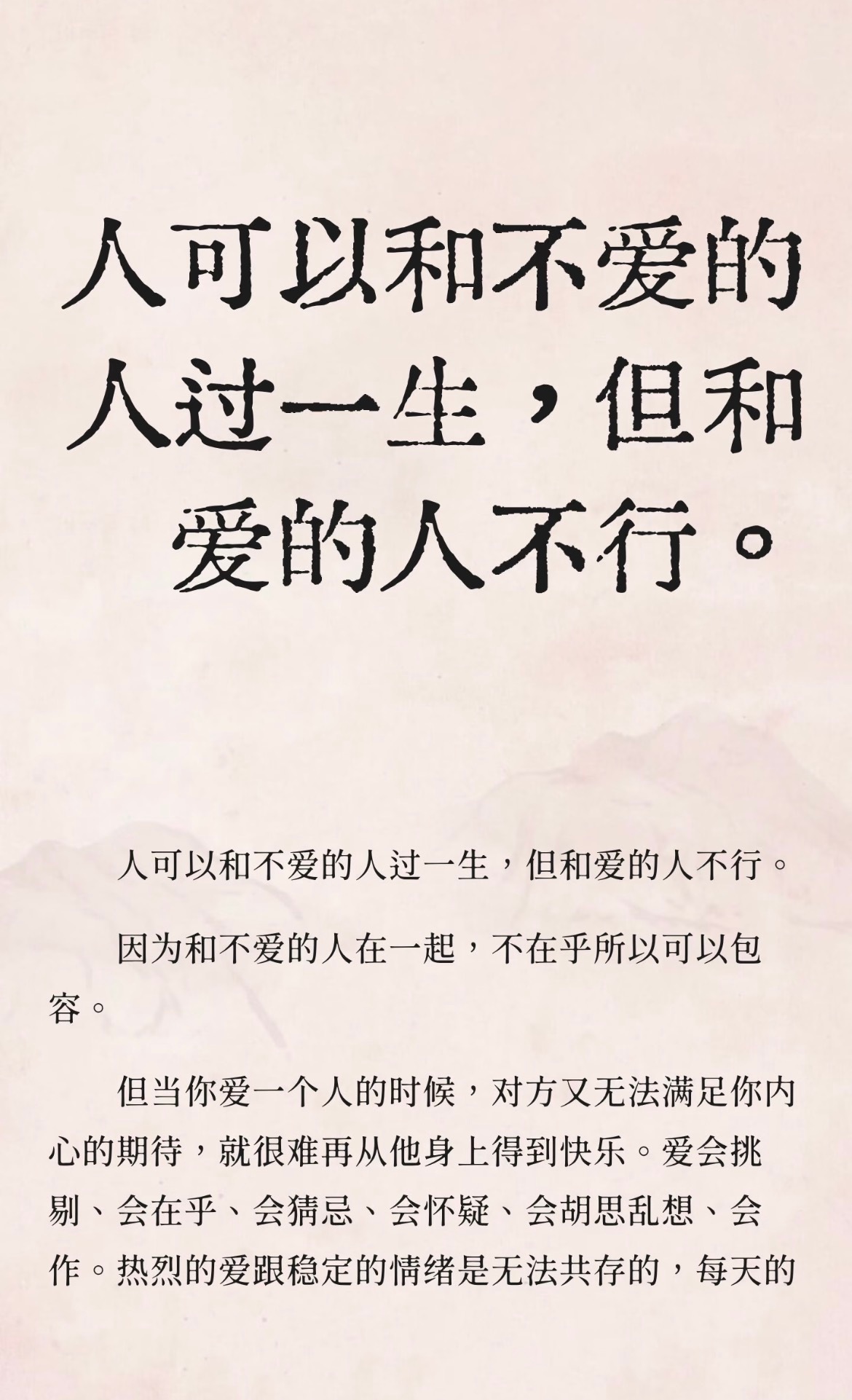
The generational divide underneath is not subtle. One reply, agreed with hundreds of times, put it plainly: the older generations mostly did marry people they did not love, held together by duty and promise, while a society that now prizes self-expression produces people who refuse — or simply defer — the whole arrangement. The timing is pointed. This week's debate follows the first rise in China's marriage registrations in thirteen years, a statistic read as cautious optimism about marriage itself — while the question trending above it asks what people who do marry are actually signing up for.
Television supplied the other half of the argument. A parallel hotword, "the marriage values of TV dramas," had viewers auditing what hit shows teach their audiences to want — from "Naked Wedding" (裸婚时代), the 2011 hit whose tagline "marry a man like Liu Yiyang" entered the language, to the tropes now openly mocked: the hero who "gets promoted, gets rich, trades in the wife." As this site covered earlier this week, audiences have turned on the second-marriage male lead celebrated by an earlier generation of dramas, and are rewarding heroines written to walk away. The aunt's tea table, seen in that light, reads less like an antique than a generation's default setting, currently under renegotiation.
The most-liked answer ends on its own open question: whether people who settled for a lifetime together will, at the end, wish they had lived differently. "Probably not," the writer decided. "Too much effort."