Chinese TV Audiences Turn on the 'Second-Marriage Male Lead'
A viewer's simple list of three drama heroes with mistresses, ex-wives and illegitimate children has become the week's sharpest television argument in China — a fight over what the country's mostly female costume-drama audience will forgive its heroes, and why heroines are now being written to walk out.
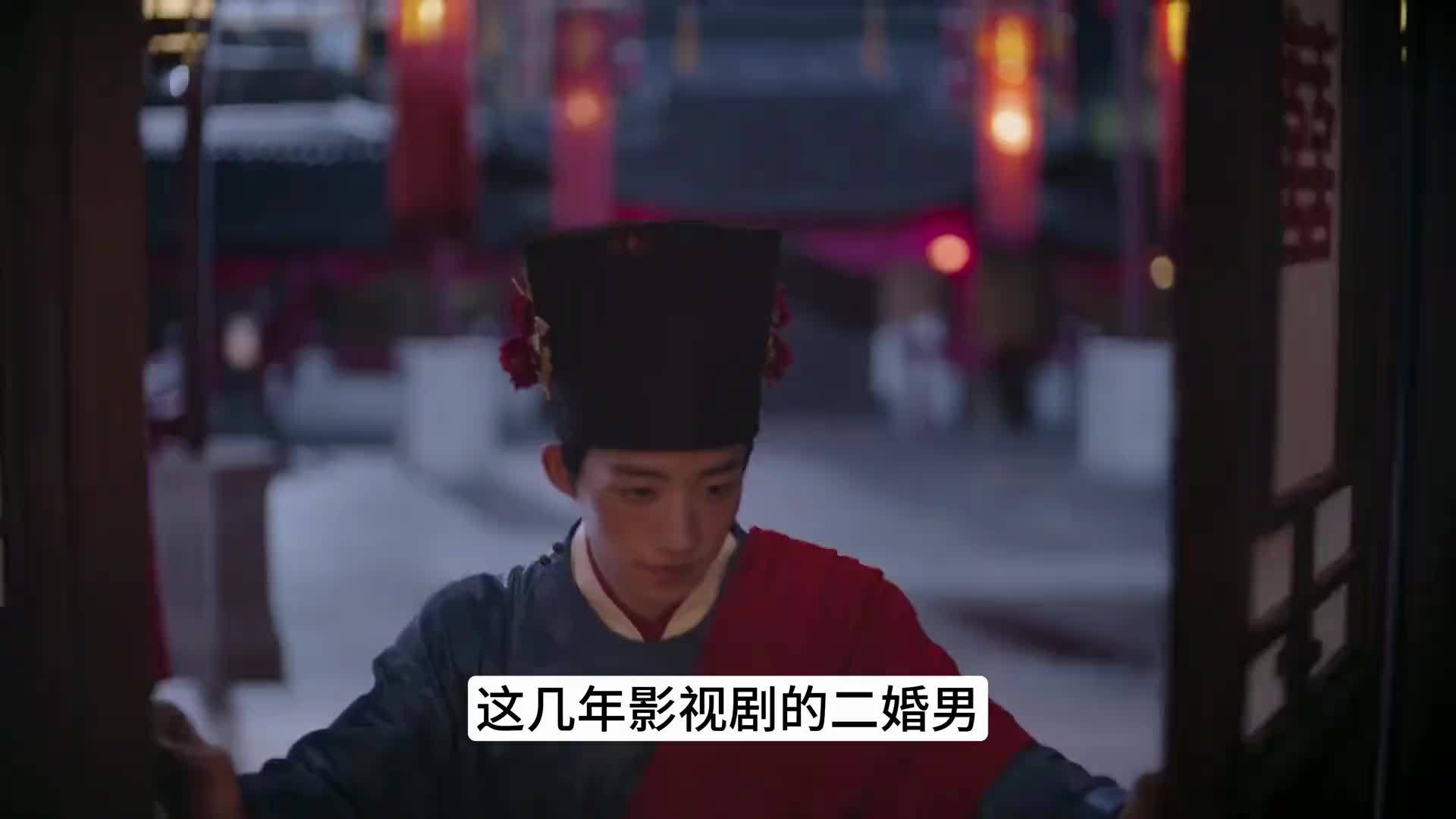
The post that set off this week's argument about Chinese television was a list of three names: Gu Tingye, hero of the much-rerun costume romance The Story of Minglan; Lin Jinqi of the new costume drama Lan Xiang Ru Gu; and Ye Xinzhi of Irreplaceable — all men whose romantic pasts, the list noted, include mistresses, ex-wives or children born outside marriage. "Are there really this many twice-married male leads in drama these days?" a viewer asked on Weibo. "What exactly are they testing?" The question charted its own hot search under the tag "second-marriage male lead," and the industry reading it may not enjoy the answer.
The most-liked response is a masterclass in mock defence. It runs: "Gu Tingye isn't a twice-married man at all — he simply used Mangniang up and never gave her so much as a title, threw in a scandal for her to carry on top, and toured every brothel in town while he was at it. But sure, a pure and spotless young gentleman." More than 15,000 people liked the sarcasm, because the sarcasm is the argument. Gu Tingye entered his marriage with a mistress kept outside the household and two illegitimate sons, and the genre long treated that backstory as texture — evidence of a passionate youth — before billing the man as a catch. Audiences increasingly read the ledger the other way: a hero whose past is hidden from the heroine is not a convention, they note, but a con.
The newest show on the list is testing the same nerve in real time. In Lan Xiang Ru Gu, a costume drama now airing, the family matriarch forces her son Yuan Shaohui to take a concubine — feigning illness, then threatening to die if he refuses — and his wife, Lin Xiuru, declines to compete. She reaches instead for a negotiated divorce, the mutual-consent dissolution that imperial-era marriage law allowed, and the audience is cheering her out of the household. "From the moment the concubine Biwu appears, she is not a rival in a love story," one widely shared recap argued. "She is a sacrificial piece in the marquis household's power game, and no one inside these gates wins."
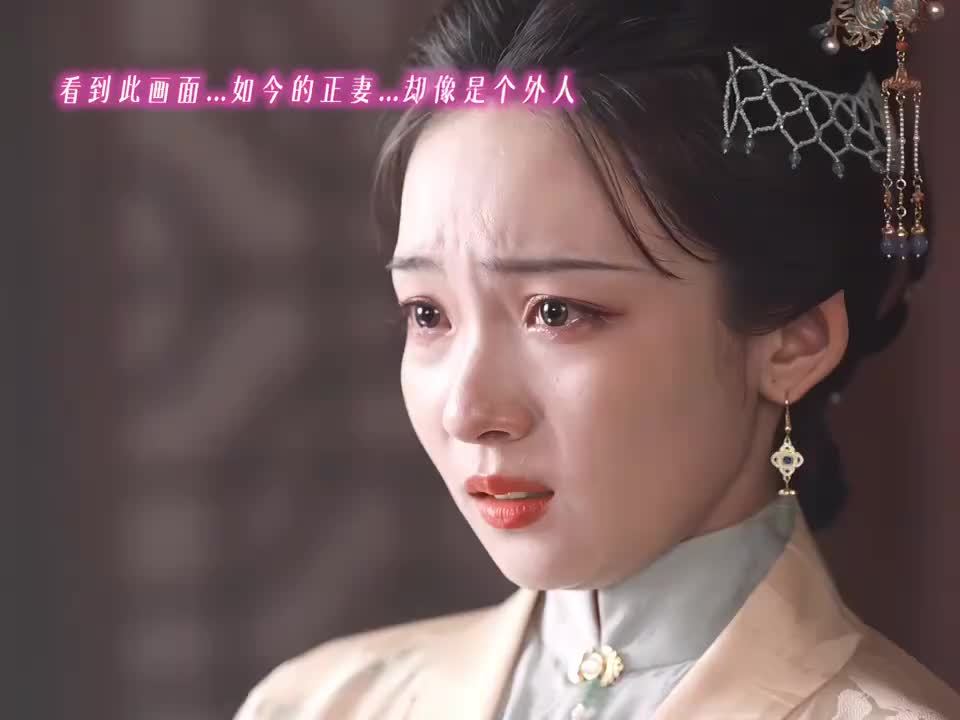
Costume romance is made for, and largely watched by, women — the audience that has kept The Story of Minglan in reruns for years — and the complaint is not that heroes have pasts. It is the bookkeeping. For years the genre let a hero's mistresses and illegitimate children read as seasoning while its heroines were prized for never having looked at another man; viewers now call that asymmetry by name. The question under the list — "what are they testing?" — treats each new brooding widower less like a character than like a market survey: how much hidden history will the audience still buy? It is the second time in a fortnight that Chinese audiences have been seen auditing a costume-drama convention in public — last time it was what the shows are called; this time it is whom they ask viewers to love. In Lan Xiang Ru Gu, the wife who walked is winning the week, and the genre is being told, in real time and in numbers, what its heroes may no longer bring with them to a marriage.