China's Scam-Crackdown Documentary Shows the Arrest of a Wa Militia Vice-Commander
Footage newly aired in the Ministry of Public Security's documentary series shows the 2023 arrest of a United Wa State Army vice-commander on a Kunming rail platform — the operation reaching past the four Kokang crime families — alongside the Wei family's ritual killings and the revenue splits that priced Chinese captives as 'walking renminbi.'
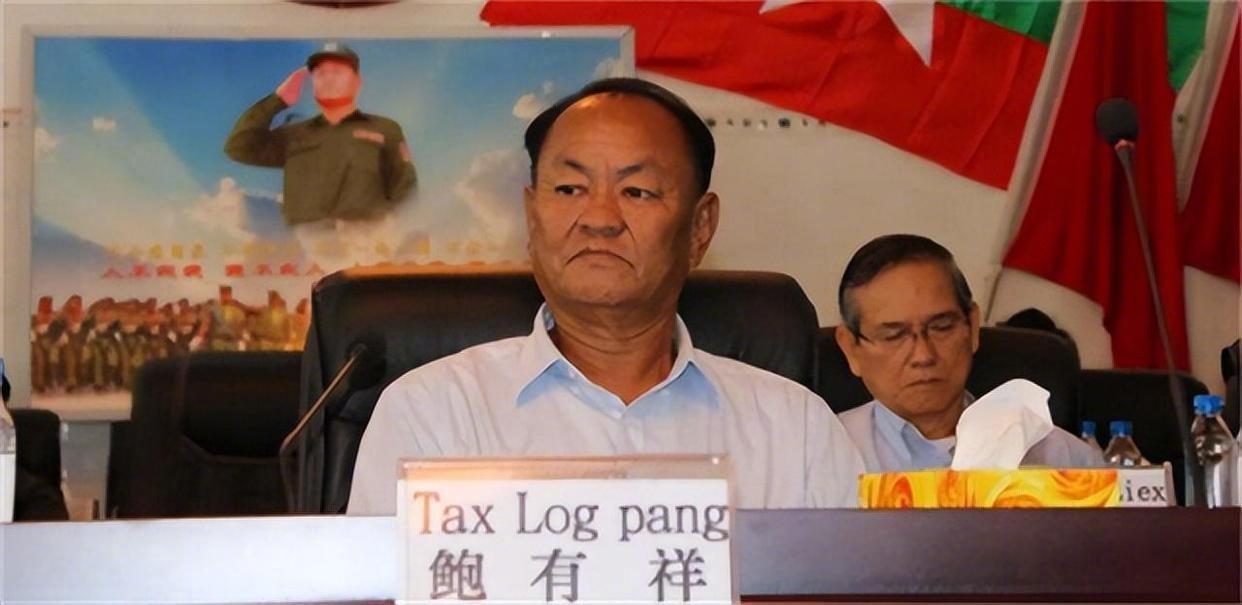
The clips spreading across Chinese social media this week show a high-speed rail platform in Kunming on the night of September 26, 2023: a tall man in a black hood, held by the arms, walked slowly past waiting officers. The man is Bao Junfeng, vice-commander of the United Wa State Army, and the footage aired by the news service Knews is the clearest statement yet that China's crackdown on Myanmar's scam compounds reached past the four Kokang families whose names the country has spent two years learning — to the largest armed group in Myanmar.
Monday's premiere carried the grimmest inventory — an underground firing range, and the exhumed bodies of three Chinese nationals Myanmar had long insisted were never dead, which this site covered here. The episodes since have widened the story. The hashtag doing the work on Weibo — "China gives up negotiating and arrests the Wa vice-commander" — overstates the novelty, since the arrest is from 2023, but it catches what the footage is meant to say: no network was treated as untouchable. By the programme's account, Bao and his associates ran a "dealer company" that supplied the militia's armed cover to fraud parks; police showed the haul from his home — jewellery, luxury watches, several cars. A military-affairs account flagged the detail the pictures leave implicit: Bao is a nephew of Bao Youxiang, the Wa leader.
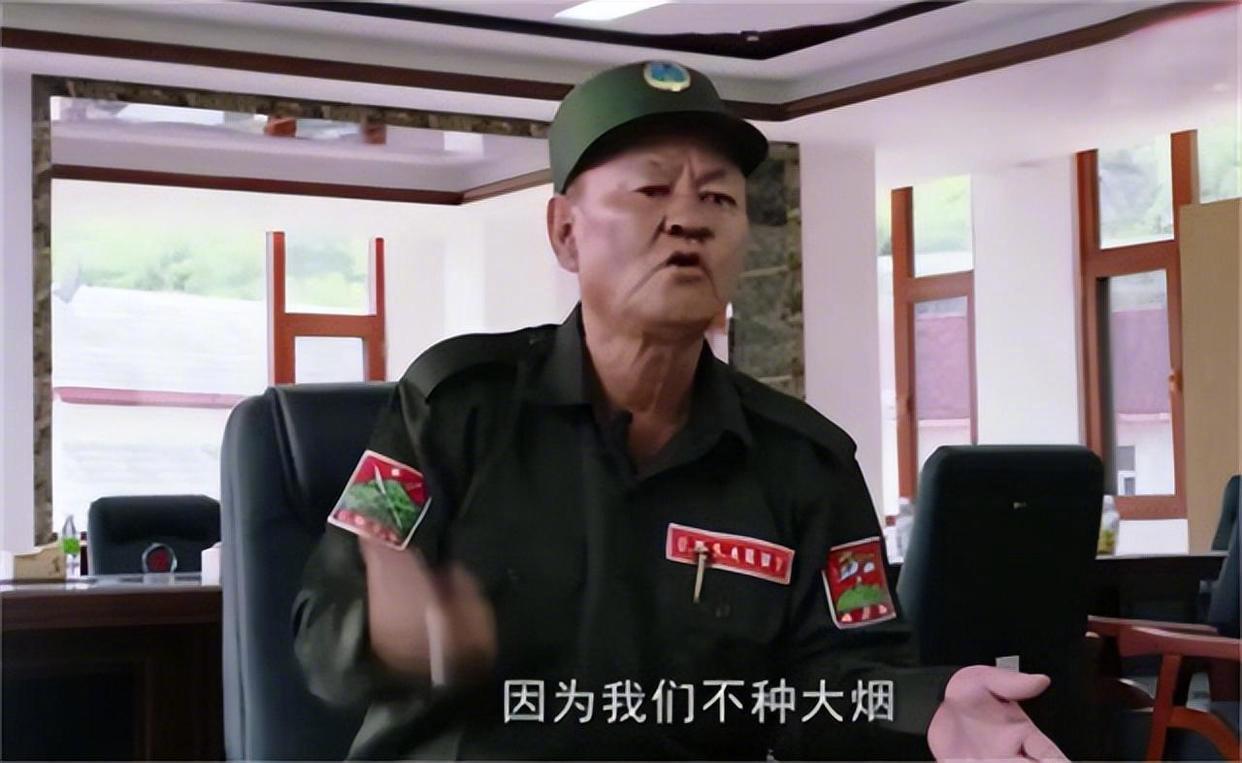
The second strand belongs to the Wei family, one of the four, and to the mechanics of trust inside the scam economy. Chen Dawei, the nephew the Weis had groomed to command their border forces, told interrogators he sealed his alliance with the financiers who ran the parks with a bond ritual: he ordered a subordinate to find "a stranger, any stranger" and kill him. The man chosen was in a punishment cell for refusing orders. A detective on the case described the remains — kneeling, hands bound, seven bullet holes in the skull. Asked what he had felt, Chen's answer became the line the internet kept: "What feeling would there be? None." (杀人要什么感受?没什么感受。)
The programme is equally concrete about money. Wu Hongming, a park financier operating under the Ming family's protection, was executed in January after review by the Supreme People's Court; in his final interview he said that of every 100 million yuan a fraud operation took in, 20 to 30 percent went to the Mings as the price of armed cover. Chinese captives, the documentary records, had a price in the parks too — "walking renminbi" (行走的人民币), a phrase it traces to the Mings. It also publishes the photograph of the Mings' patriarch Ming Xuechang, who killed himself in November 2023 as Wenzhou police issued public warrants for the family; three relatives were handed over four days later, and in January Ming Zhenzhen was among eleven figures executed in the case, smiling in her final interview as she recounted a massacre at one of the compounds. Bai Yingcang of the Bai family, in his own pre-execution account, said a single scheme could "casually" gross one to two billion yuan — roughly 140 to 280 million dollars (Huanqiu).
Against the state's accounting, the series sets a survivor's. Abao, rescued from a park and interviewed by China Blue News, described the only escape route he knew: no hotels, no taxis, no reporting to the local police — hide in the hills and call the Chinese police. The taxi driver sent to meet him, he said, had already sold him out.
The episodes — "Sword Drawn," "Ploughing the Den," "Weaving the Net" — end at the border, where state media reported 100,000 officers deployed at the campaign's height, and present that net as permanent. The compounds have their own momentum: satellite imagery published on Tuesday showed new enclosed parks rising near Myawaddy, with recruiters advertising thousands of jobs. The documentary names the dead, the convicted and the executed with unusual thoroughness. The parks, commenters keep pointing out under the footage, are already hiring again.