Asian Games Teams Stranded for Hours at Nagoya Airport After Transport System Failure
Days before the Aichi-Nagoya Asian Games opened, delegations including China's table tennis and gymnastics teams spent up to six hours at the airport waiting for buses that never came, after a booking-system failure left athletes hungry on the terminal floor — the first organizational crisis of a Games already criticized over its housing.
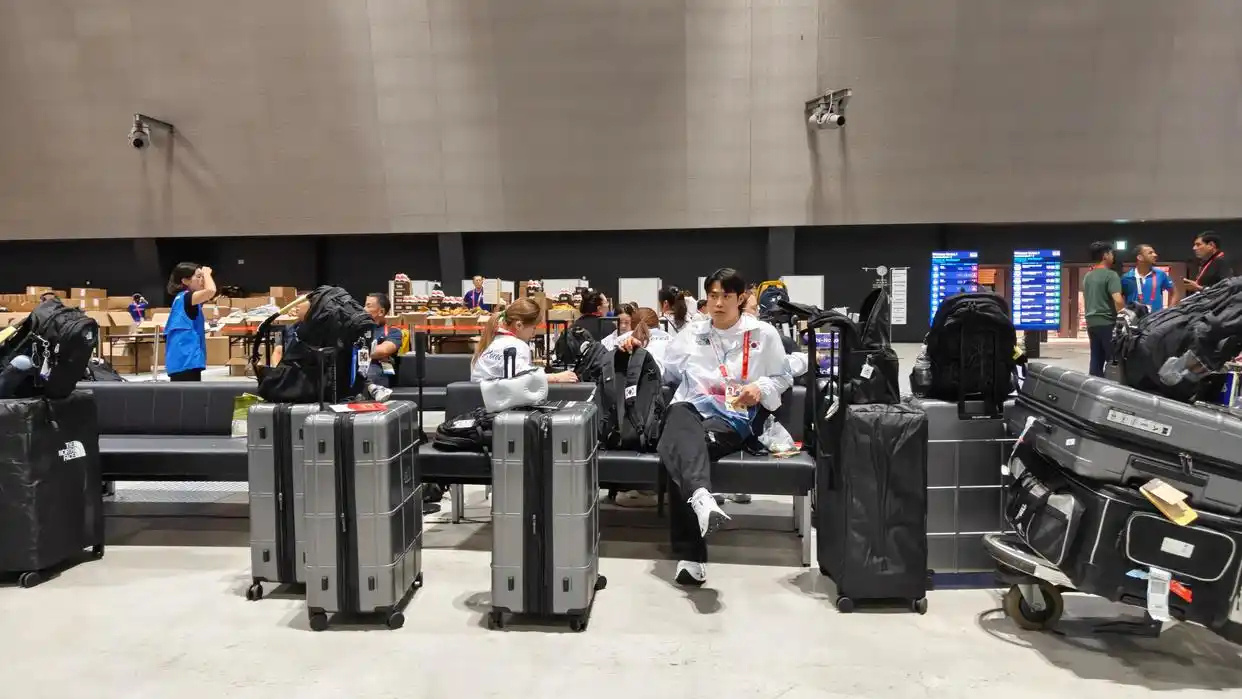
On the afternoon of September 16, the transport centre at Nagoya airport looked less like a greeting area for elite athletes than a slow-motion baggage claim. Delegations in team tracksuits lay slumped against blue rolling suitcases, some stretching on yoga mats to pass the time. Most had been on the ground for hours. None knew when a bus would come.
Six Hours on the Floor
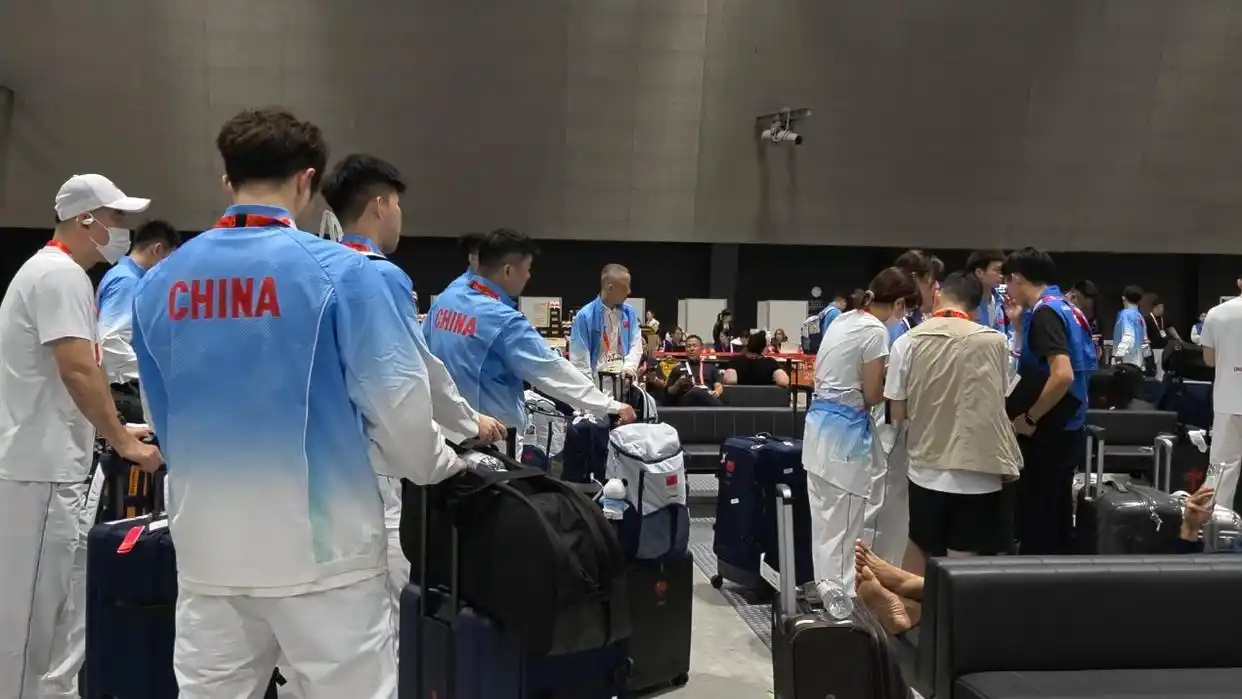
The Chinese delegation's main group landed at 12:15 p.m., according to a Xinhua report carried by Sina News. By two o'clock, athletes from multiple countries were still waiting, and the complaints followed a pattern: the organizers' system could not find them. "Staff can't find our athletes' information in the system, so there is no way to assign us a bus," the rowing coach of India's delegation, which had landed at 10 a.m., told the reporter. China's gymnastics team had it worse — of its 21 people, only two showed up in the system.
A volunteer could offer only a shrug: "We don't know the exact reason either. Maybe one link failed and then the next." Delegations were free to arrange their own transport, but had to pay for it. The centre provided water and no food. "I haven't really eaten since we got off the plane more than five hours ago, and we have training tomorrow," one athlete said. Another managed a grim joke: "These things are harder than the competition."
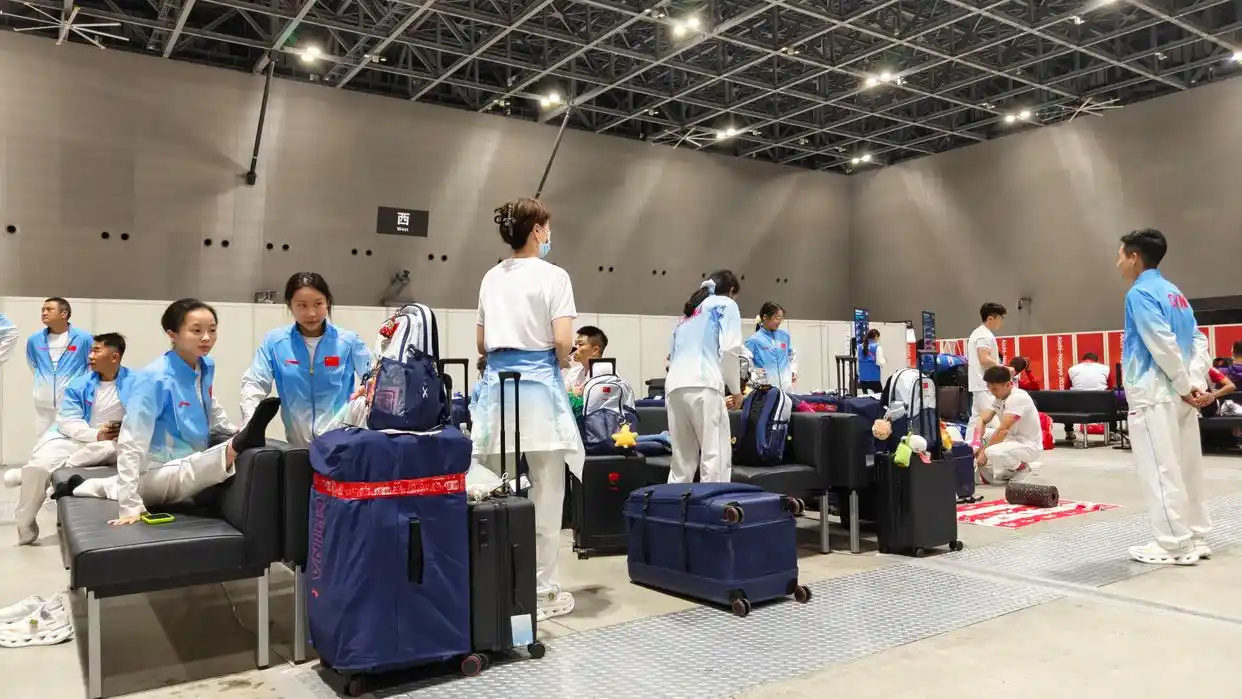
China's badminton team stopped waiting. After public shuttle tickets ran out, team captain Jia Yifan turned to the Chinese consulate general in Nagoya, whose staff helped local overseas Chinese organize rental cars; by 4:30 p.m. the whole team was on the road, as a post following the team noted. The table tennis, wushu and rowing squads got buses around five. The gymnasts left at six — nearly six hours after landing.
No Village to Go To
On Weibo, both the main hashtag and a separate one about the table tennis team's ordeal trended, and the tone was less anger than knowing mockery: users asked what had happened to the fabled Japanese "craftsman spirit," and swapped accounts of which team had waited longest. The story also led Baidu's trending board, where it ran under the blunt headline "stranded, hungry and tired."
The scene was an early test for organizers who had already drawn criticism before a medal was awarded. Breaking with half a century of Asian Games tradition, Nagoya built no athletes' village, spreading accommodation across hotels and a cruise ship in the city's port — several national Olympic committees have said the rooms they were promised never materialized, and Baidu users also followed that dispute. Malaysia's sports authorities, judging the arrangements risky, booked their own hotel block and lined up a private fleet of cars in advance, as the Malaysian reports circulating on Weibo described. Some members of the Chinese delegation finally reached their cruise-ship quarters well after dark, according to posts from the scene.
Organizers have yet to explain what failed in the transport system. With the opening ceremony still to come and hundreds more athletes due to land in Nagoya, the Games' biggest logistical test has begun before its first final.