A Taiwanese Ballclub Uninvited Nicky Wu After His National Day Flag Video
Taiwan's Fubon Guardians dropped the Taiwan-born star from a first-pitch appearance after his Tiananmen Square National Day video, citing his health. Wu replied that he holds to his position even if it makes no money, and his fans went digging up decade-old posts to prove it.
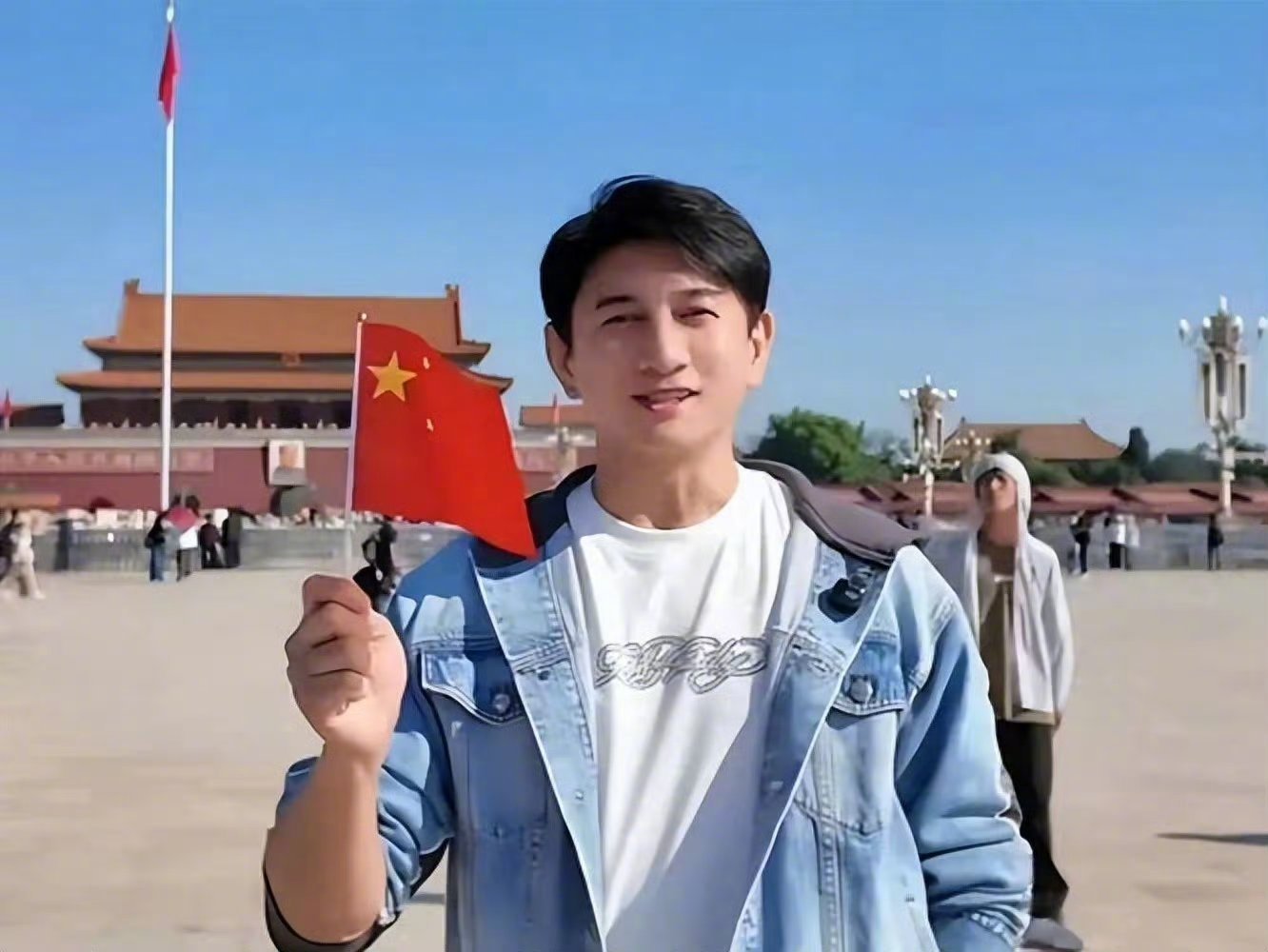
A Taiwanese baseball club has uninvited Nicky Wu from a ceremonial first pitch — citing "physical discomfort" — days after the Taiwan-born pop veteran posted a National Day video from Tiananmen Square, small Chinese flag in hand. The Fubon Guardians announced on October 2 that Wu, booked as a guest of honor for their October 4 game, would not appear, and opened ticket refunds. Nobody involved pretended the reason was his health.
Wu, in his mid-fifties, rose to fame in the late eighties and nineties as a member of the Little Tigers, one of the first boy bands to tour the Chinese-speaking world, and later became a mainstay of mainland dramas and variety shows. On October 1 he posted a video of himself at Tiananmen Square celebrating National Day. When a commenter warned that the gesture would cost him his Taiwanese market, Wu replied that he no longer works that market anyway — and would hold to his position even if it made no money. That reply became its own trending topic.
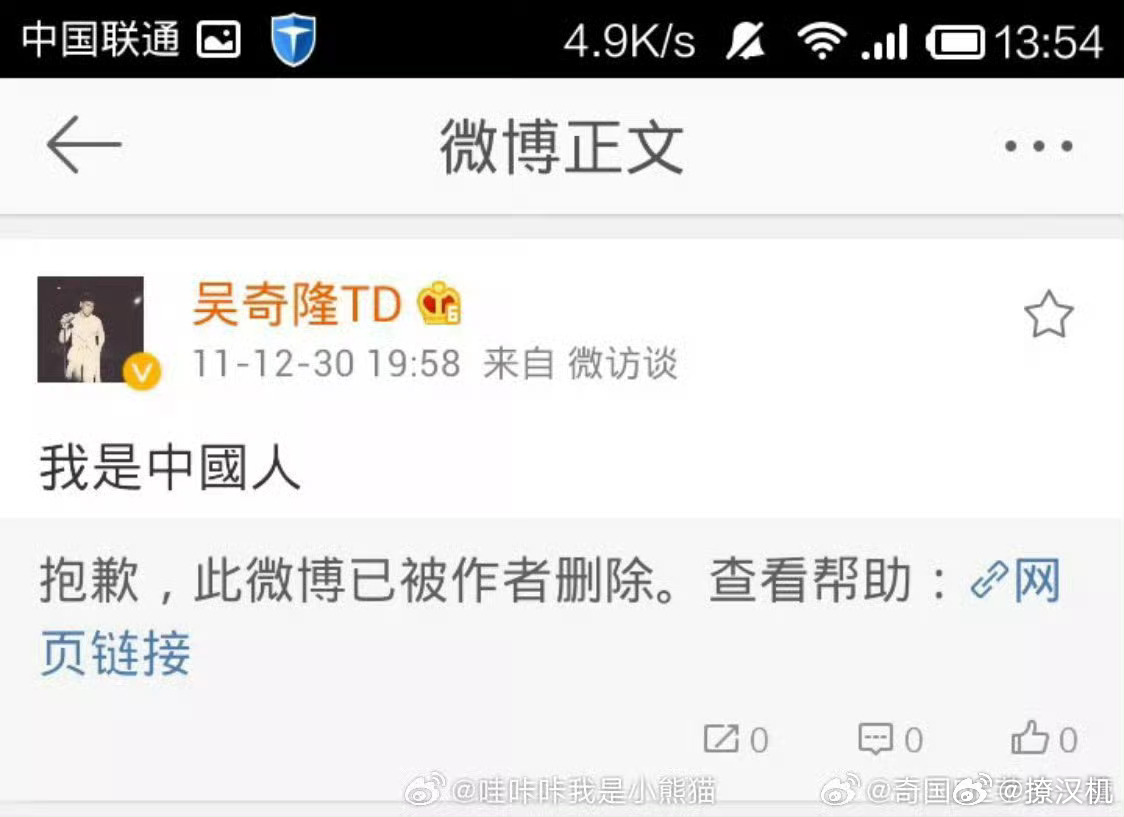
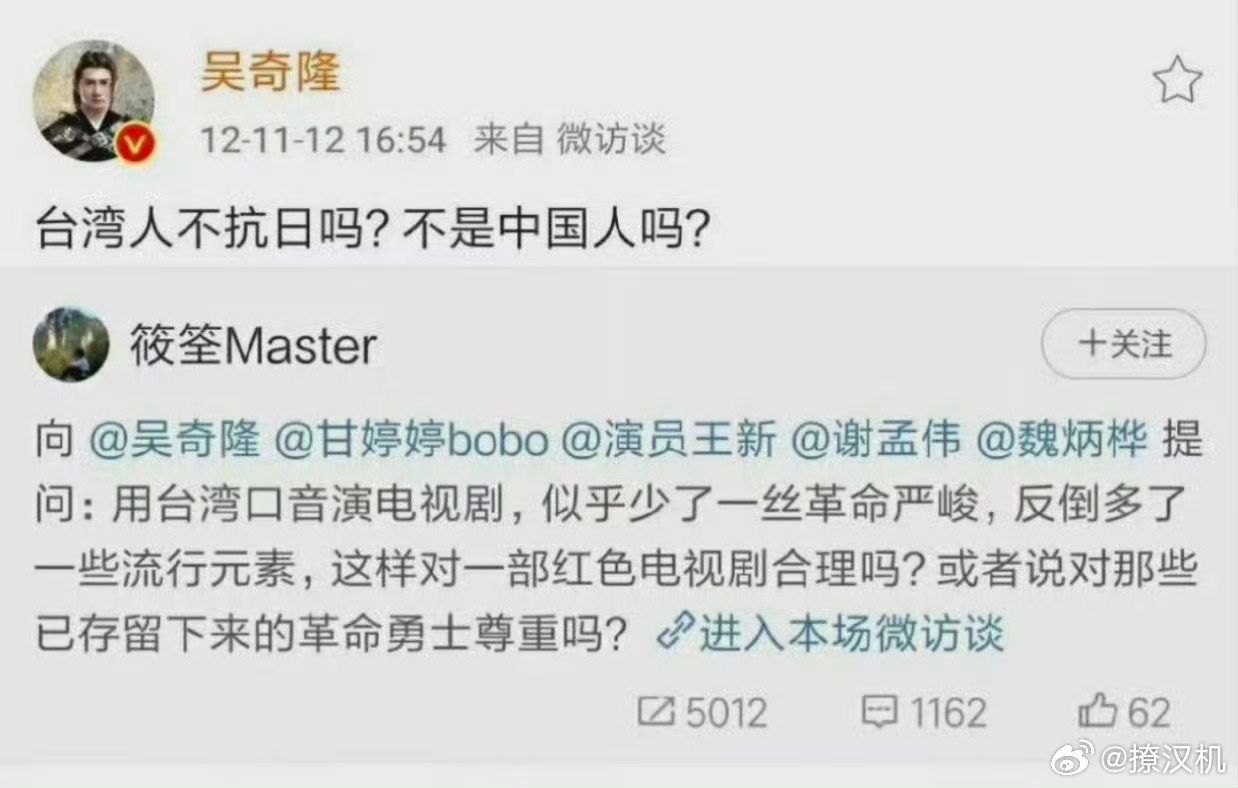
His supporters immediately went digging. Fans reposted screenshots of decade-old verified posts from Wu's own accounts — "I am Chinese," he wrote in one from 2012; "Didn't Taiwanese resist Japan? Aren't they Chinese?" reads another — as proof that this is a long-held conviction and not a temporary concession to mainland audiences. A collage of the posts, assembled by a fan account, itself gathered more than 23,000 likes, and commenters noted that his bandmate Chen Chih-peng had posted in similar terms.
The asymmetry is what stung. Days earlier, Taiwanese writer Kevin Tsai was photographed at a rally for a pro-independence politician, and mainland brands scrambled to cut him loose. Wu's fans noted who received public statements of support and who did not. "Tsai gets voices raised for him; Wu waves the flag and gets objections," one post liked more than 37,000 times. Wu himself offered no statement — he simply posted a video of himself hiking the Great Wall on October 4, which his fans read as an answer.
For an international reader, the episode is a small window on the loyalty audits that run in both directions across the Taiwan Strait. Mainland entertainers with Taiwanese ties work a market that dwarfs the island's, and gestures toward the mainland — a flag, a National Day greeting — are read in Taiwan as declarations; a baseball club that hosts one risks its own criticism. What is unusual in Wu's case is only the impunity with which he made the gesture: rich off early business ventures and a listed production company, he is one of the few who can call a market bluff.
The story charted No. 12 on Weibo and No. 20 on Baidu's hot search the next day. The Fubon Guardians, for their part, finished their homestand with a refunded section of seats.