Brand Name or Generic? China Weighs Its Pills After Centralized Procurement
A trending question - 'did you buy the right kind of drug?' - has turned a pharmacy shelf decision into a national conversation. After centralized procurement pushed originator drugs out of public hospitals, Chinese patients are learning to tell a Bayer box from a domestic generic, and arguing about whether cheaper is as good.
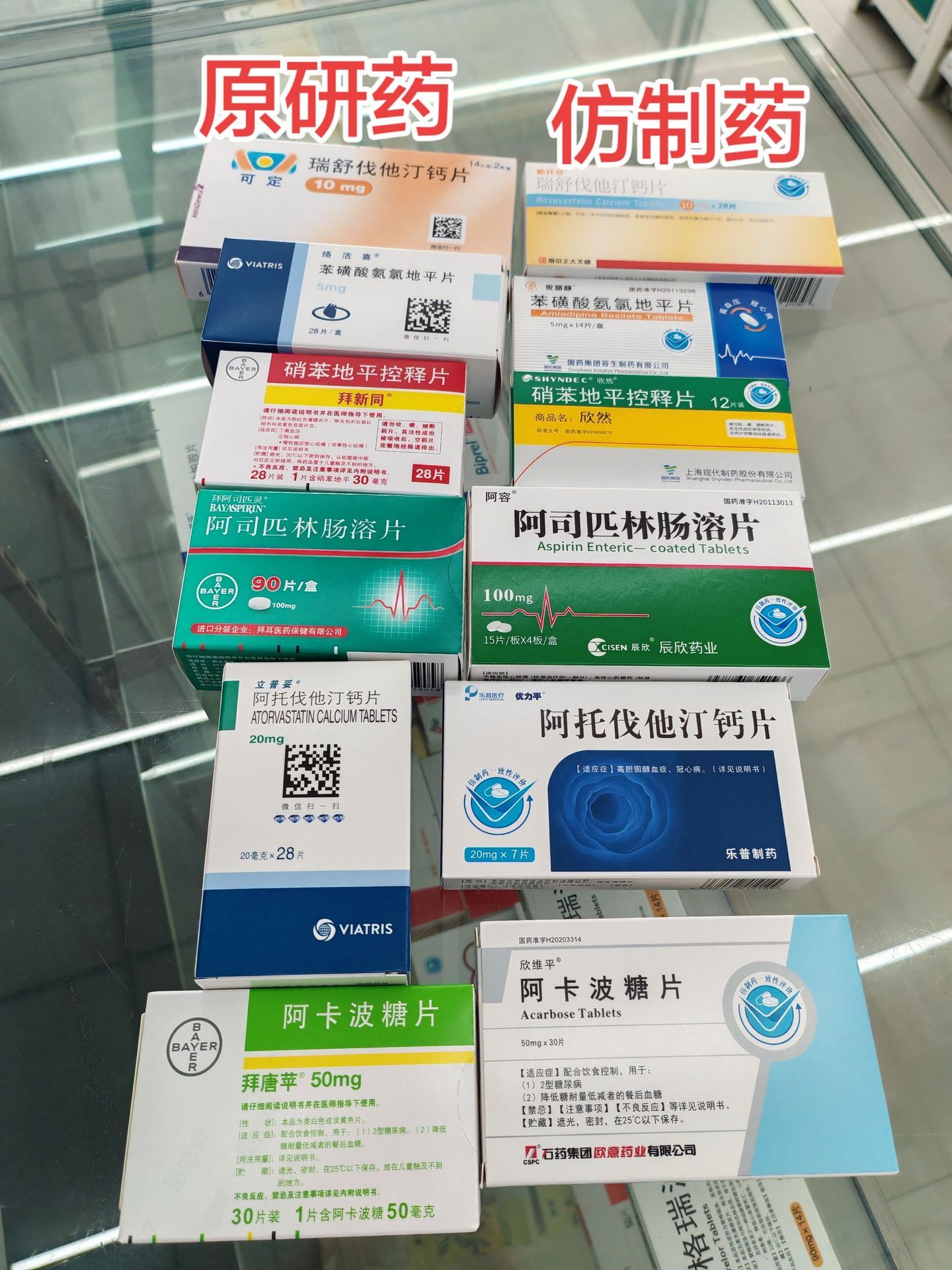
The question trending on Weibo this week is one Chinese pharmacy customers now have to answer more often than they would like: 原研药和仿制药买对了吗 — "originator drug or generic — did you buy the right one?" The posts answering it read like field guides. One widely saved infographic lays twelve boxes on a glass counter in two labelled columns: on the left, the originator products — Bayer's aspirin and Glucobay, Viatris' Lipitor and Norvasc, AstraZeneca's Nexium; on the right, their domestic generic twins from Cisen, Leap Pharmaceutical and CSPC, same molecule, a fraction of the price.
The distinction is doing so much traffic because of how drug buying in China has changed. Since late 2024, when the tenth round of national centralized procurement (集采) delivered the steepest price cuts on record — aspirin enteric-coated tablets falling to three cents a pill — originator drugs have largely failed to win public-hospital tenders, leaving state hospitals stocking generics and patients who want the original brand hunting for it at retail pharmacies, as Chinese media have documented. A proposal from Shanghai medical-sector CPPCC members earlier this year argued that some procured generics showed inconsistent efficacy and that clinicians had no say in the matter; the debate over whether "cheap means compromised" has simmered ever since.
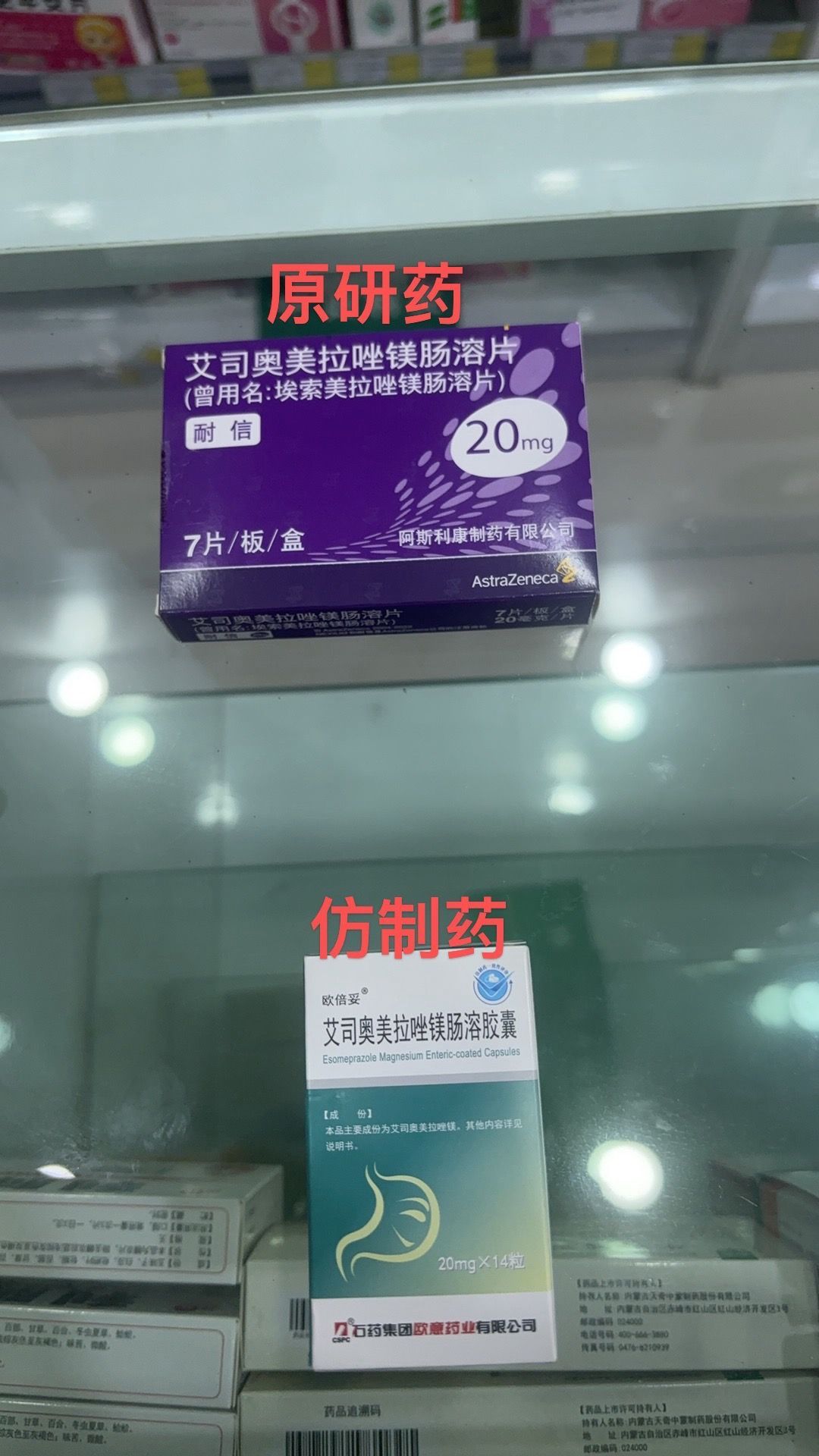
What makes the current trend notable is that it is not an argument about policy but a practical literacy campaign. "In short, the originator is the 'original', expensive; a generic that has passed the consistency evaluation is a compliant substitute at a friendly price. Everyone's situation is different — don't switch on your own, ask your doctor," one post advised. Others circulated lists of which originators were still findable on pharmacy shelves, a map of what the procurement programme has pushed out of the public system.
There is a genuine question underneath the cheat sheets: China's "consistency evaluation" regime is supposed to certify that a generic matches the originator in the body, and regulators insist that a passing generic is therapeutically equivalent. But equivalence on paper has not settled the argument among patients — or among doctors, whose own association proposals helped put the doubt on record. The trend's usefulness is that it teaches people the choice exists. Whether three-cent aspirin works as well as Bayer's is a question the participants on both sides expect to keep having.