Qi Wei's AI Double Stars in a Zombie Film, With the Actress Keeping Control of Her Face
The actress Qi Wei licensed her AI digital double to star in "Doomsday in Midsummer", a zombie thriller whose trailer premiered at the Venice Film Festival. The deal's real innovation is contractual: her likeness was not sold, but licensed for review-approved use — a template in a market full of stolen faces.
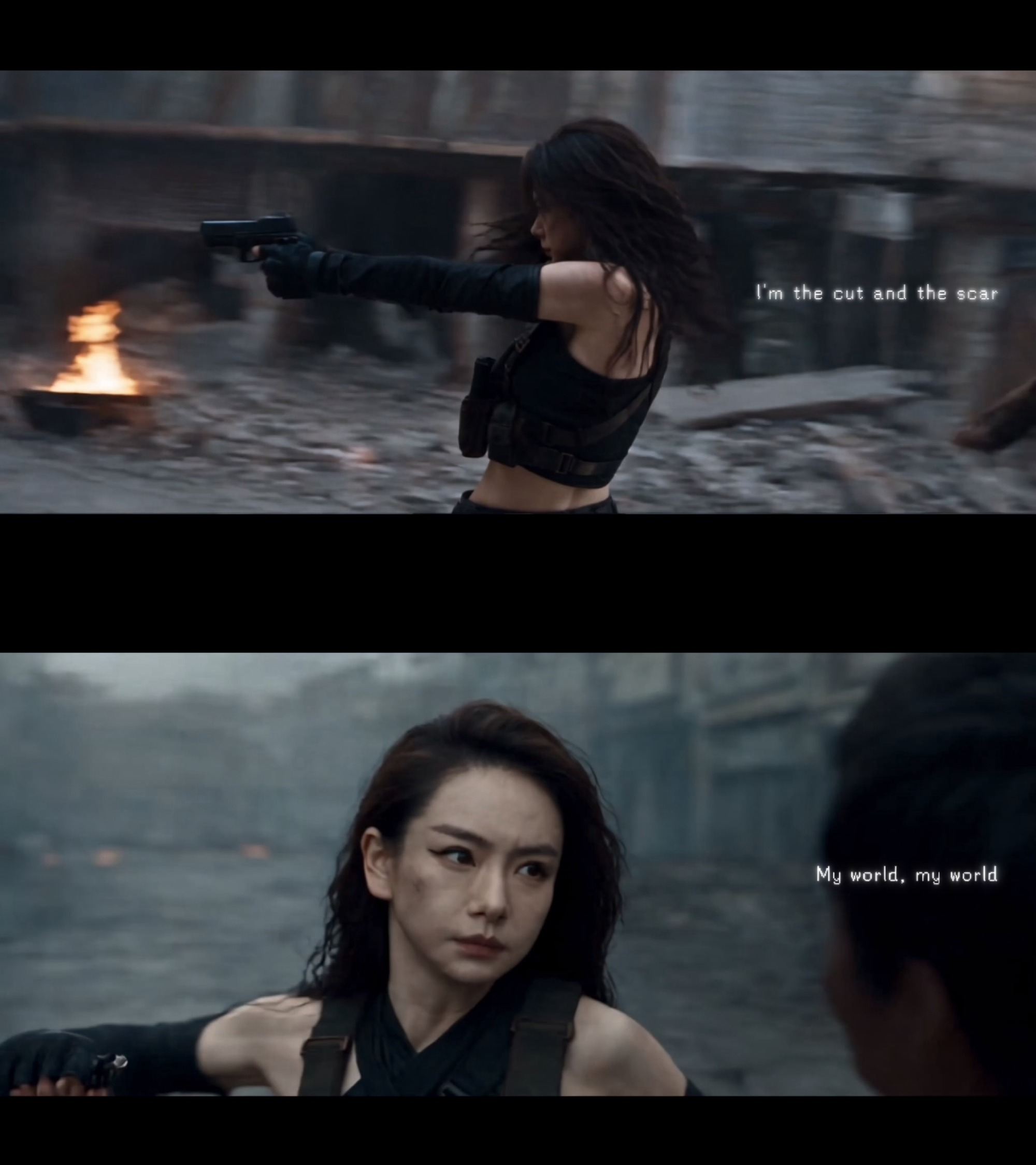
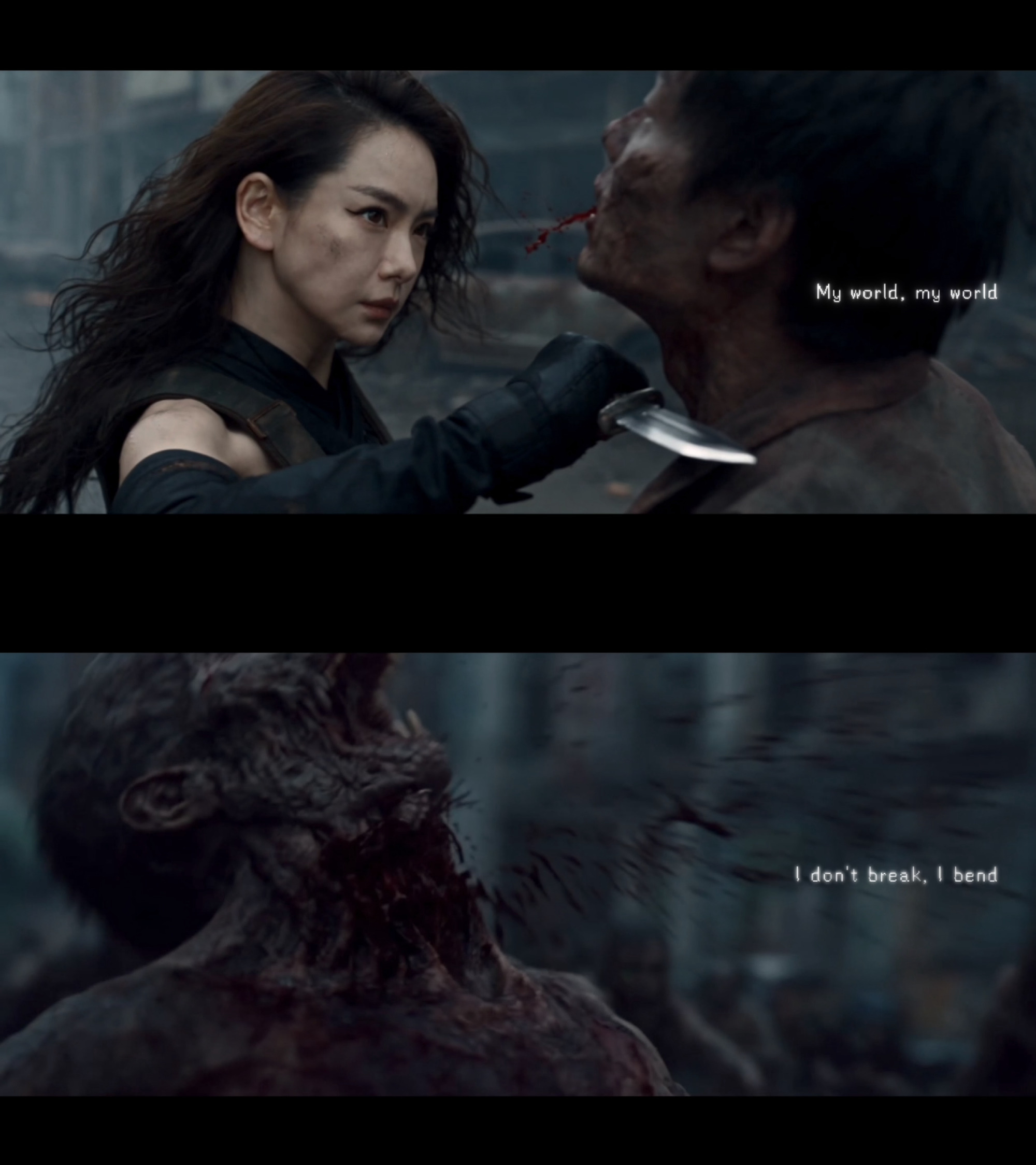
When the first full trailer for the zombie film "末日盛夏" — Doomsday in Midsummer — played at the Venice Film Festival this week, the actress on screen was and was not Qi Wei. Every frame of the apocalypse thriller, from the knife fights to the decayed mutants, features her AI digital double, licensed by the star herself and built to look, move and speak like her. Qi Wei marked the release on Weibo with a note of homework finally handed in: the teasers fans had seen before were self-made rough cuts ("手搓", hand-rubbed, as the internet puts it), while this one was the real thing, ready for judgment. Her post was liked more than 50,000 times within hours.
The film itself is steeped in Chinese web-novel vocabulary — apocalypse, rebirth, supply hoarding, a game-like "system" guiding the heroine, and zombies — with Qi Wei's digital face playing the lead, Han Qingxia. Fans who watched the trailer approved of the casting. One posted stills alongside a verdict that the studio had "completely gone all out," praising the fight choreography and predicting, on Qi Wei's own claim that her real body could never do what the double does, that the actual film would be even better.
The arrangement behind the image, though, is the part of the story the industry is actually discussing. Qi Wei did not sell her likeness outright. According to an industry-account breakdown, she granted a limited authorization: every commercial use of the digital double must pass her own review. That may sound like paperwork, but in a market where faces are routinely stolen — this site has mapped the black-market industry churning out AI porn from celebrity likenesses, and followed China's first AI actress as she landed fashion-magazine covers — control is the entire business model. A digitally persistent star who cannot say no is a liability; one who approves each use is an asset.
The economics appeal to actors in a lean year. Work is unstable enough that the media-account 传媒当家人 argued the model deserves to spread: license the face to AI productions, shoot variety shows in the flesh, absorb the sneers about selling out, and stay solvent. In that framing — better to license your face on your own terms than wait to have it "stolen" — the alternative to Qi Wei's deal is not purity but passivity.
Whether audiences accept a film whose lead is not a person is the open question the Venice screening begins to test — China's broadcasters aired the first AI-generated long-form drama last month to mixed notices. But the Venice premiere of an AI-faced genre film, built around a star's approved likeness, marks the first time the experiment has run at festival scale, with a real actress's sign-off on every frame as the product being showcased.