China's AI Actress Is Landing the Country's Biggest Fashion Magazine Covers
Fang Taozi, the AI-generated star of a short drama with more than 200 million views, is covering China's major fashion magazines — a first for a virtual performer. Her rise shows how China's short-drama economy and its glossy magazine industry are converging on faces that no photographer ever shot.

The cover preview that Cosmopolitan's Chinese edition posted on August 27 looks conventional at first glance: a woman in a black lace off-the-shoulder dress against a deep red backdrop, the magazine's "CRUSH" branding beside her. The unconventional part is what the subject is made of. The woman is Fang Taozi (方桃子), a performer who does not exist — a face and body generated by artificial intelligence — and, as the industry write-ups noted, she is set to become the first virtual actress to unlock the covers of all five of China's major fashion magazines.
Fang Taozi comes not from film but from the short-drama industry — the vertical, fast-turnaround serials that have become one of China's most profitable entertainment formats. She is the lead of "The Laid-Off Girl" (《被裁掉的女孩》), an AI-made drama that has drawn more than 200 million views. The premise carries its own irony, which Chinese readers were quick to note: a synthetic actress became famous playing a young woman cut loose from her job, a character written around very human anxiety about being replaced.
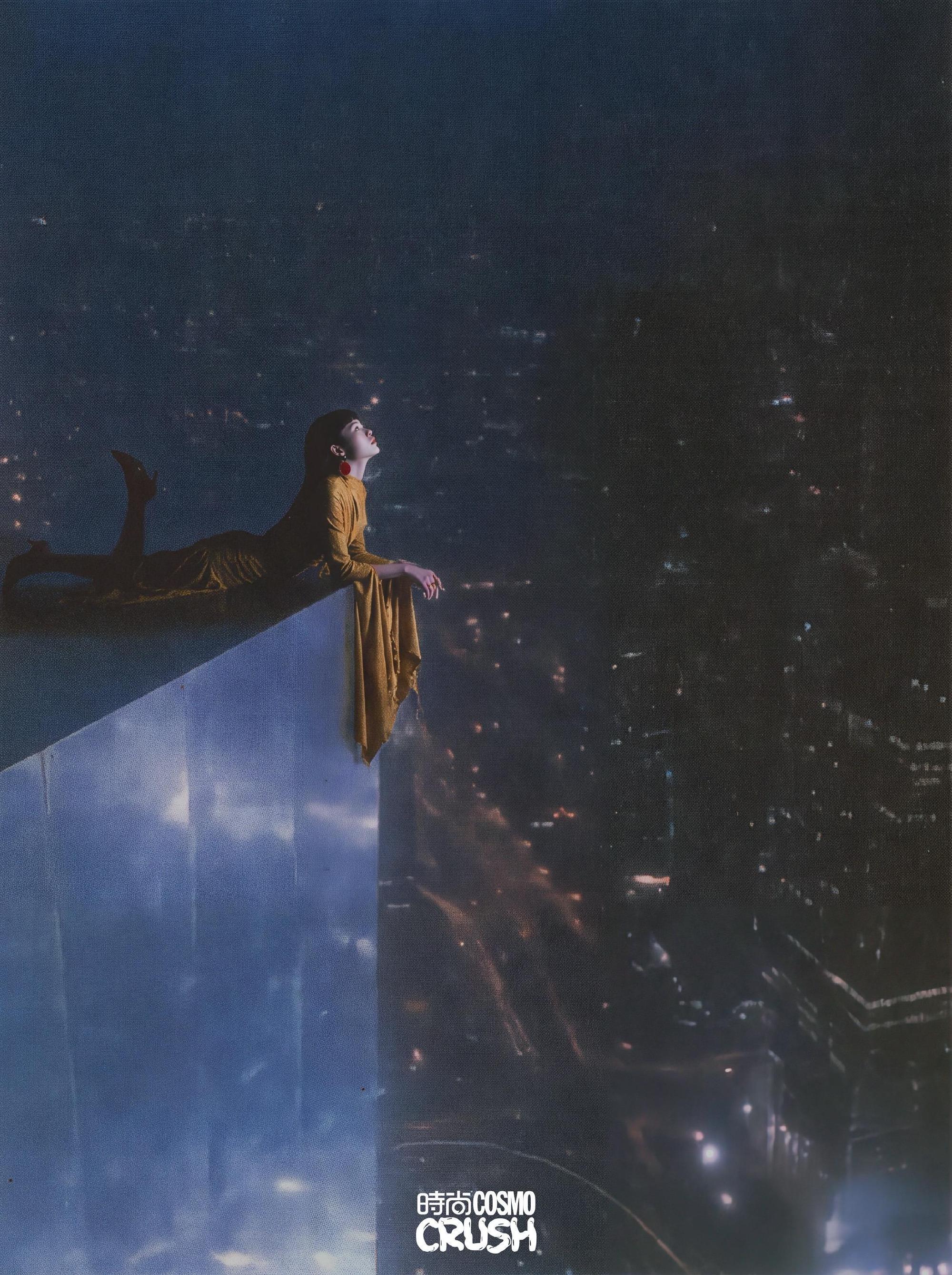
The production logic behind her career is laid out in a widely shared post cataloguing what the Cosmo cover did not require: "No photographer, no venue, no stylist, no hair and makeup — every image was done by AI. Saves worry, and saves money." That list is the business case. A cover sitting that once meant booking a star, a crew and a studio is now a rendering job, and the actress arrives with no schedule conflicts, no salary negotiation and no scandal risk.
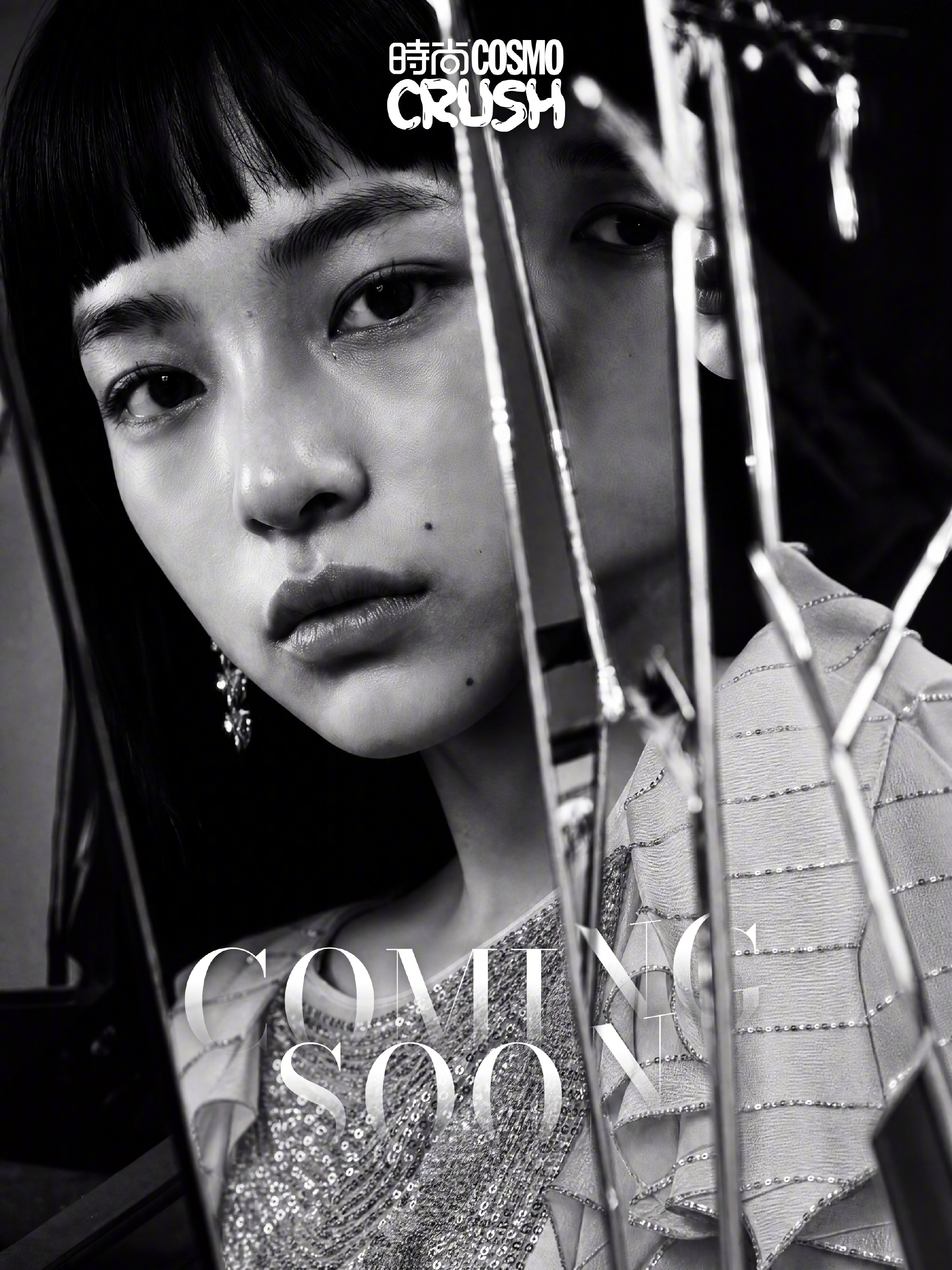
Cosmopolitan's own promotion treats her as attitude rather than technology — "one instant of Crush, and you rebuild your home turf," the copy reads, written as if for a human cover star. That is the milestone's real meaning. Virtual idols in China have existed for years, mostly as singing avatars with niche fanbases; what is new is a virtual performer crossing into fashion's print economy, where the cover has always been a scarce thing — an exclusive sitting with a photographed, famous person. A magazine cover is fashion's most expensive statement about whose face can sell desirability.
The five-covers sweep, if she completes it, will say that an AI face can. For the magazines, the calculation is straightforward: Fang Taozi arrives pre-loaded with an audience — 200 million views is more than most cover stars' work will ever draw — and none of the overheads. For the humans of the industry, the models and actresses who staff those covers, the question her record run leaves open is a sharper one: in a market this efficient, what exactly is a human cover star still being paid for?