Routine by Design: China's Satellite-Internet Constellation Adds Its 26th Group
A Long March 8A put the 26th group of China's low-orbit internet constellation into orbit on Tuesday night — now routine: the Thousand Sails network is due to complete 324 satellites by year-end, and the planned constellation runs to nearly 13,000.
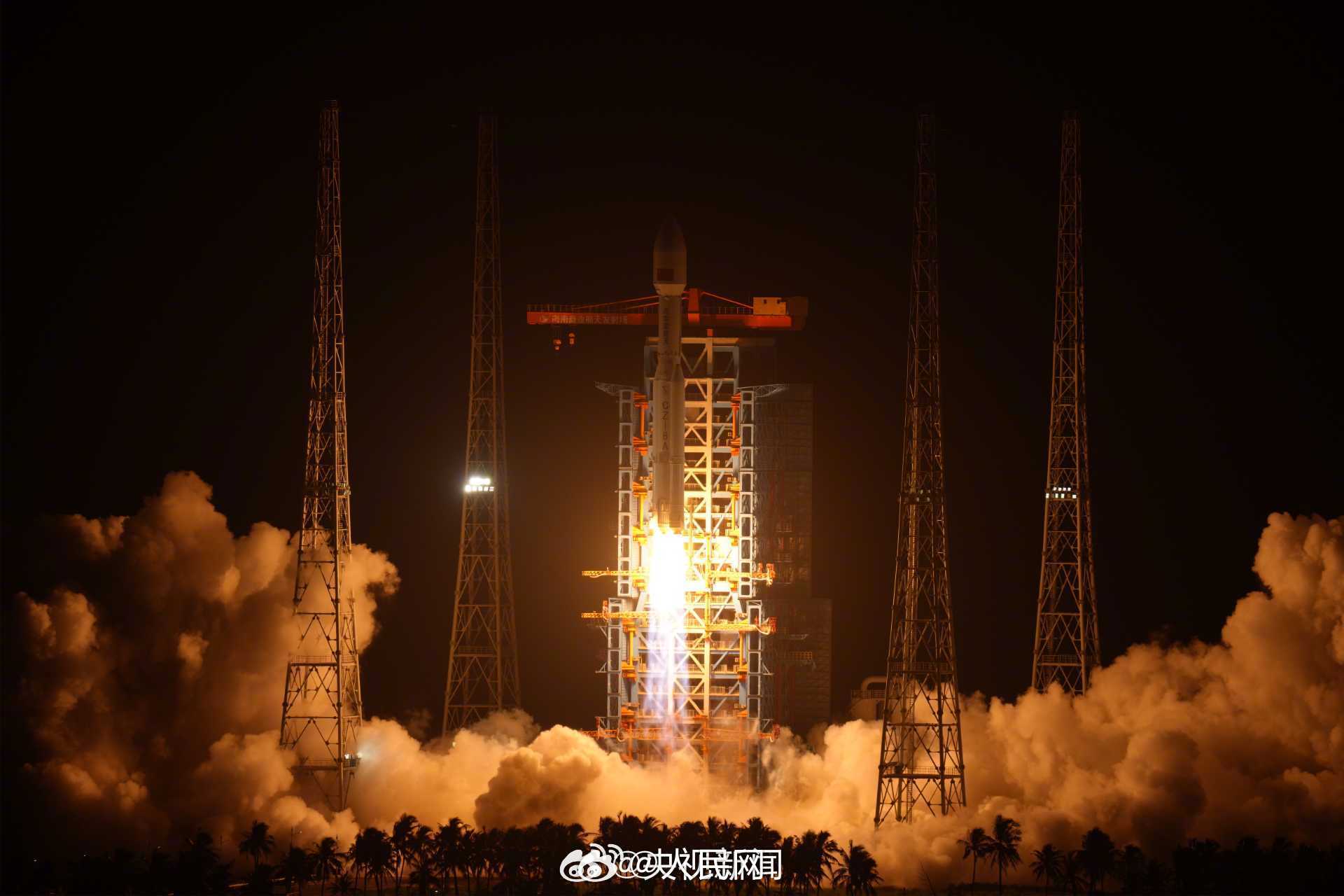
At 9:32 on Tuesday evening, a Long March 8A lifted off from the commercial spaceport on Hainan carrying the twenty-sixth group of satellites for China's low-orbit internet constellation, and by Wednesday morning the launch was charting on Weibo not as drama but as bookkeeping. CCTV's report drew its usual chorus of congratulations under a salute-the-astronauts hashtag; the more revealing response came from market commentary circulating the same morning, which noted that space and satellite exchange-traded funds fell more than 1.5 percent during Wednesday's trading. The launch succeeded; the market had already priced it in.
The mission is one entry in a build-out that has quietly become one of the largest construction projects in orbit. The same commentary put the Thousand Sails constellation on course to complete a 324-satellite global network by the end of this year, with the separately planned GW constellation designed for nearly 13,000 satellites — the scale at which satellite internet stops being a launch event and becomes an assembly line. For readers who know "satellite internet" mainly as a SpaceX category, that is the shift worth registering: China is now filling low orbit at industrial tempo, served by a dedicated commercial spaceport on Hainan built for exactly this cadence.
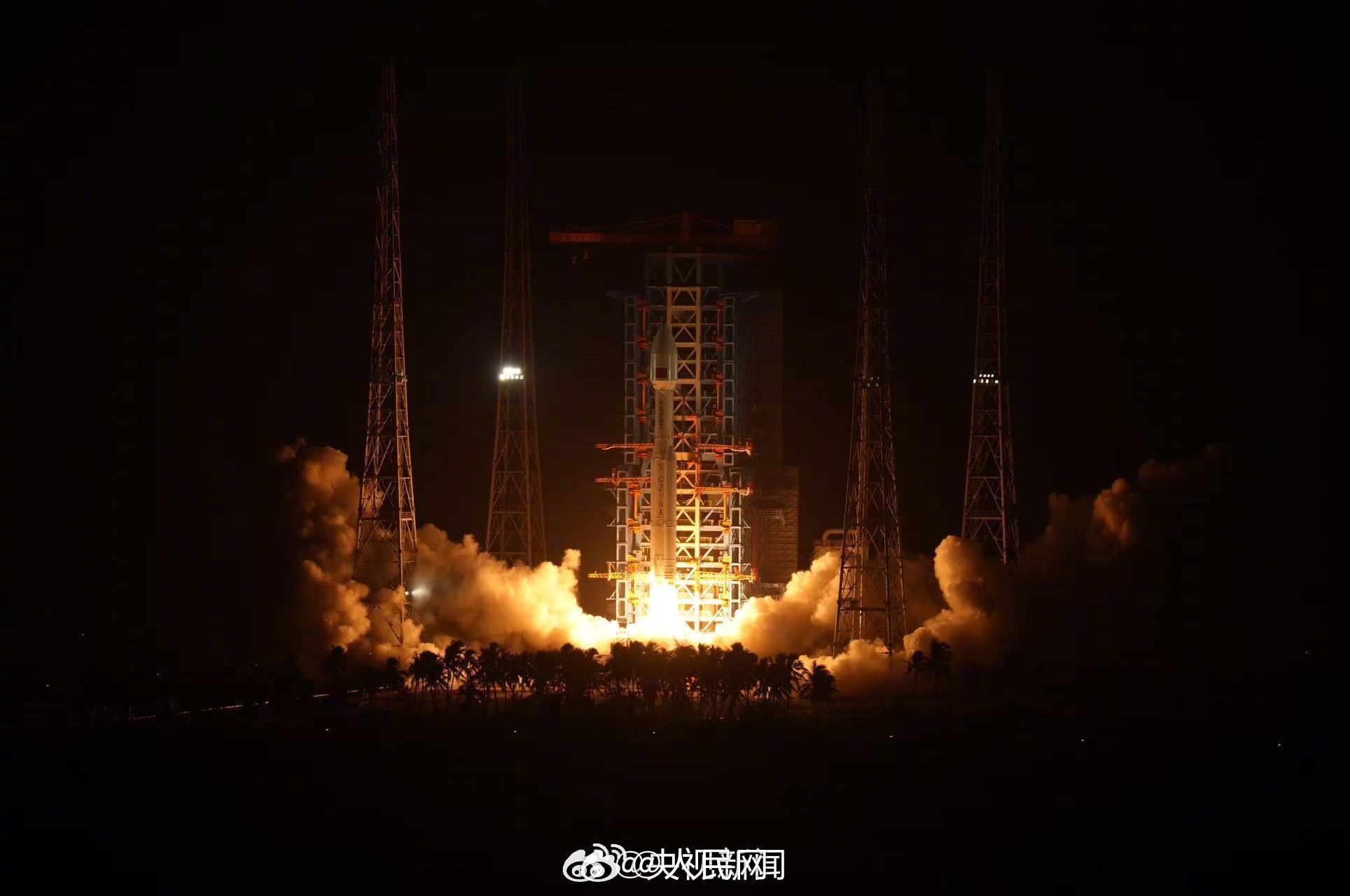
The rocket doing the lifting is becoming a story of its own. The Long March 8A also carried the Long March family's 600th launch, which fell earlier this month, and the series has switched its main propellant from conventional oil-based kerosene to kerosene refined from coal — cheaper, easier to store and transport, and matched to the performance of the fuel it replaces. A launch economy running this frequently metabolises cost reductions the way airlines do, and coal-based fuel is the kind of unglamorous engineering that keeps such a cadence sustainable.
The money following the rockets is substantial even by Chinese standards: the same commentary counts 321 listed companies in the commercial-space sector with a combined market value around 6.15 trillion yuan, and institutional researchers have been trooping through the supply chain from satellite chips to ground terminals. Wednesday's dip is the counterweight — as that commentary put it, what is hot is the industry; what gets fought over is orders and earnings. A successful launch is now the baseline expectation, not the catalyst.
The satellites that reached orbit on Tuesday are the constellation's twenty-sixth group — a data point, not a destination, with the year-end marker being a complete 324-satellite Thousand Sails network. What the day actually demonstrated is the ordinariness: a launch that once would have led the evening news now shares the hot-search board with supermarket fruit-box haggling and a face-swapped romance drama, filed between them, and nobody finds that strange.