Shanghai Tightens Pre-Sale Rules as Buyers Bid Up Its Aging Second-Hand Flats
Shanghai's housing regulators moved on September 28 to wind down China's off-plan pre-sale model — new projects must be structurally complete before they can sell — even as the city's market thaws and buyers bid up its oldest, smallest flats.
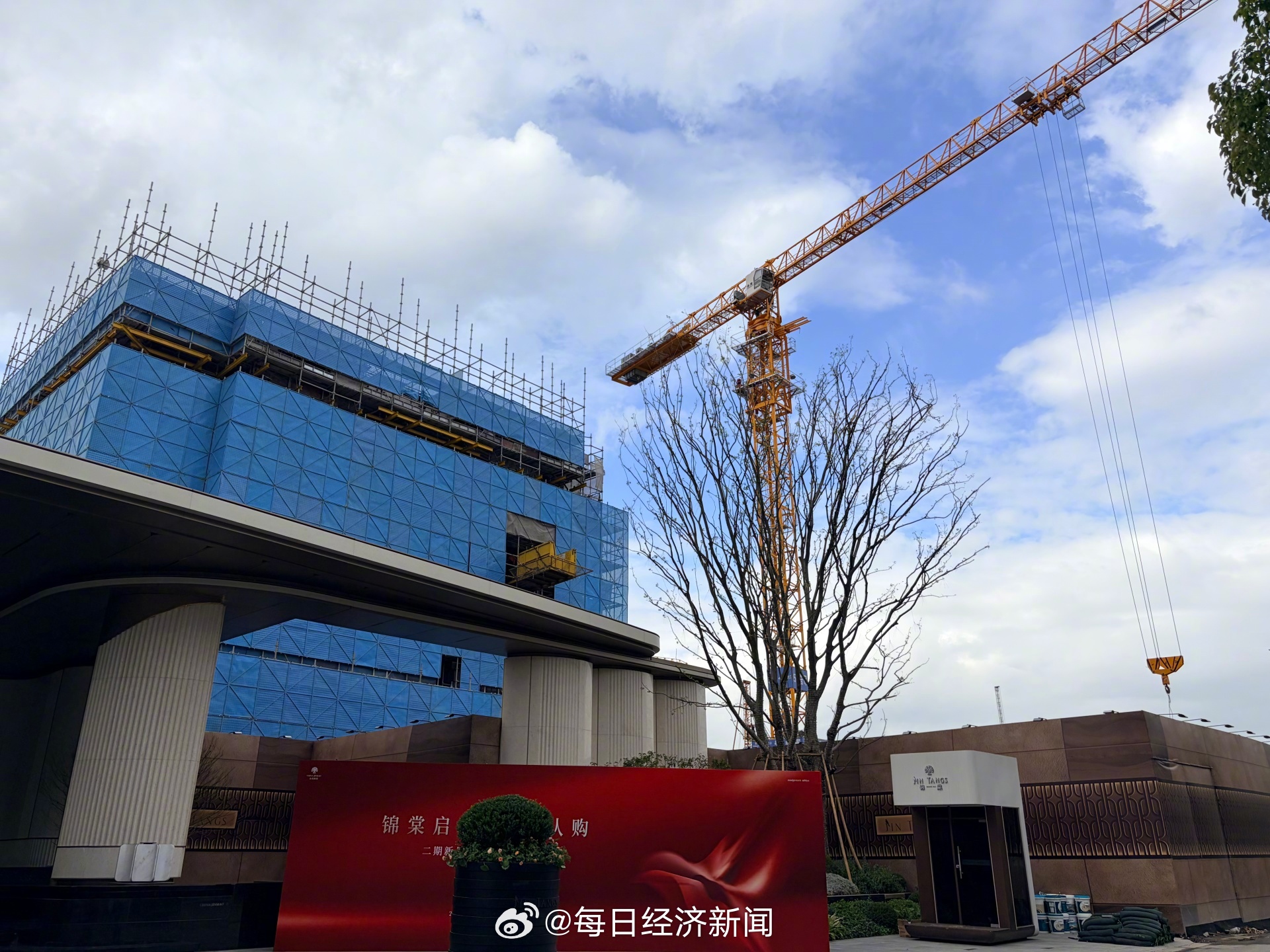
Four Shanghai regulators — housing construction, housing management, planning and the city's banking watchdog — issued a joint policy on September 28 that takes aim at the foundation of how Chinese homes are sold: the off-plan pre-sale, in which buyers pay for flats that are often little more than a foundation pit. Effective immediately, residential land sold after August 28 requires the main structure to be topped out before a pre-sale permit is issued; new parcels will prioritise completed-home sales; mortgages, including housing-fund loans, disburse only after a project passes completion filing; and each project will have a single "main bank" watching the developer's money. As a sweetener, land payments can now be made in instalments — 50 per cent down, the balance within a year, interest-free — while projects already in the pipeline that can finish by the end of 2027 may keep pre-selling under the old rules.
The pre-sale model built China's skylines cheaply by making homebuyers the construction lenders. It also produced the past decade's defining property horror: the unfinished tower, with families holding mortgages on flats that may never exist. Requiring finished buildings moves delivery risk from the family to the developer — safer for buyers, tighter for developers' cash flow, which is why the same document quietly loosens their land-payment terms. A detailed breakdown posted on Weibo notes the policy also introduces a deposit system for completed homes, capped at 3 per cent of the price, with buyers entitled to rescind and claim compensation if the developer delivers late.
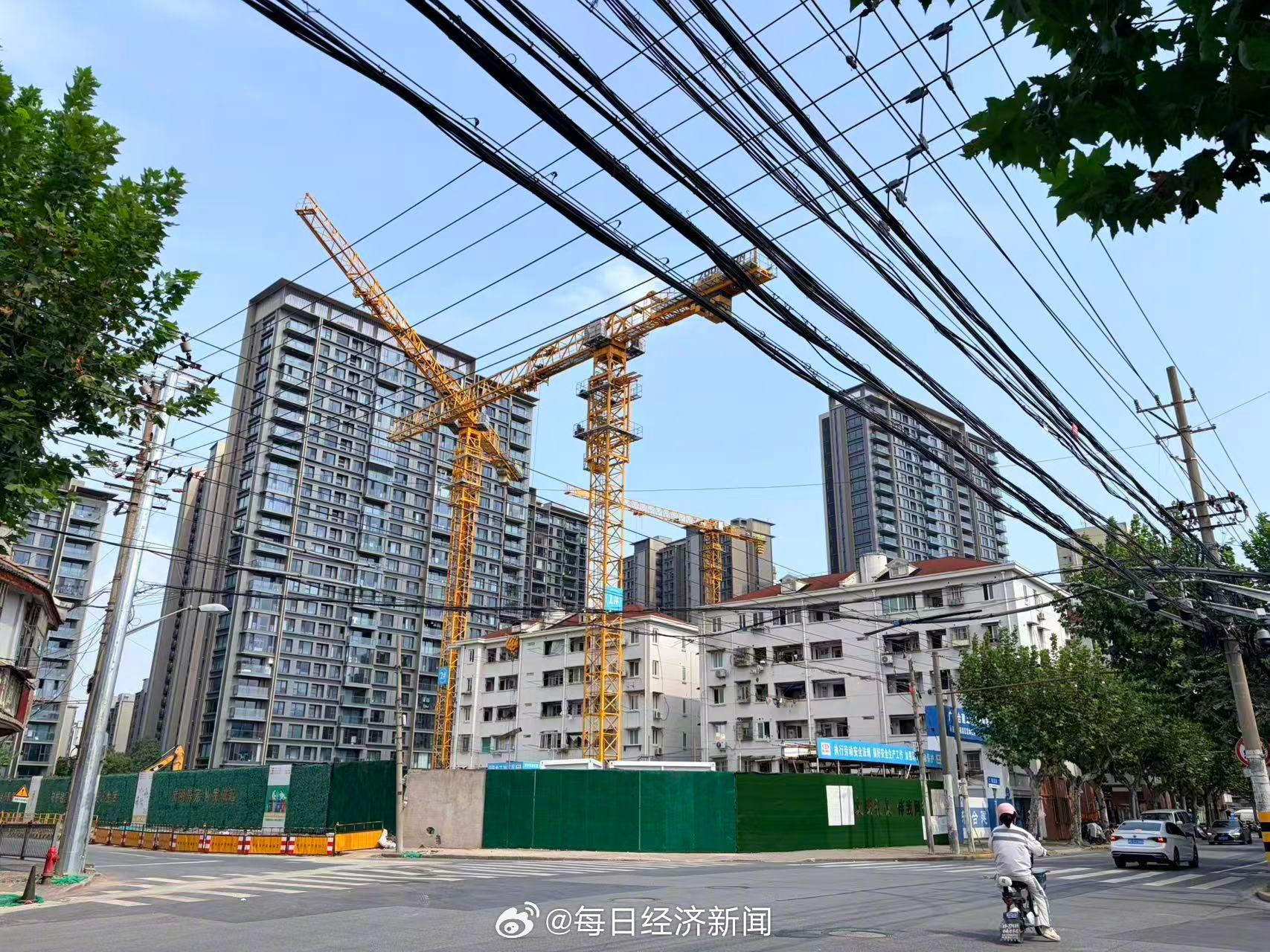
The timing is not accidental: the market underneath is thawing. Shanghai sold 9,717 new homes in September, up 22 per cent on the year, and several launches sold out on day one. The starkest reversal is at the bottom of the market, in the flats Shanghainese call "laopoxiao" — old, rundown, small. At a 1970s block on Longchang Road in Yangpu district, a flat of just over 30 square metres listed at 2.3 million yuan drew agents knocking on the landlord's door overnight to bid it up; two competing buyers pushed the price from 2.30 to 2.33 and finally 2.35 million yuan, and it sold. Agents put laopoxiao prices up 5 to 8 per cent this year; one landlord raised his asking price from 6.7 to 6.8 million mid-negotiation and still sold. The block sits across Yangshupu Road from the headquarters of Meituan and Bilibili — proximity to tech payrolls is part of the pitch.
The same day, the State Council's executive meeting called for a batch of "practical, usable" incremental policies to stabilise the property market, employment and incomes. Shanghai's pre-sale rules and the bidding wars over its oldest flats sat near the top of Baidu's trending board — a story moving on search and finance desks as much as on Weibo. Analysts told The Paper the market has entered a phase of "stopping the fall and turning stable," possibly "stable volume, rising prices."
The test will be the first land parcels sold after August 28: whether developers will build on their own balance sheets, and whether buyers who are no longer asked to finance construction keep queuing. Shanghai, with the country's most expensive and most liquid housing market, is where that question gets answered first.