After an Act of Kindness Cost a Shopkeeper ¥19,000, Officials Rule She Bore No Liability
Authorities in Hunan have formally declared a shopkeeper who helped a dying elderly stranger bore no legal responsibility—even though she had already paid the man's family ¥19,000 as a goodwill gesture. The episode, now the subject of CCTV commentary and a nationwide debate, has become a test of whether ordinary people can still step in to help without being made to pay for someone else's death.
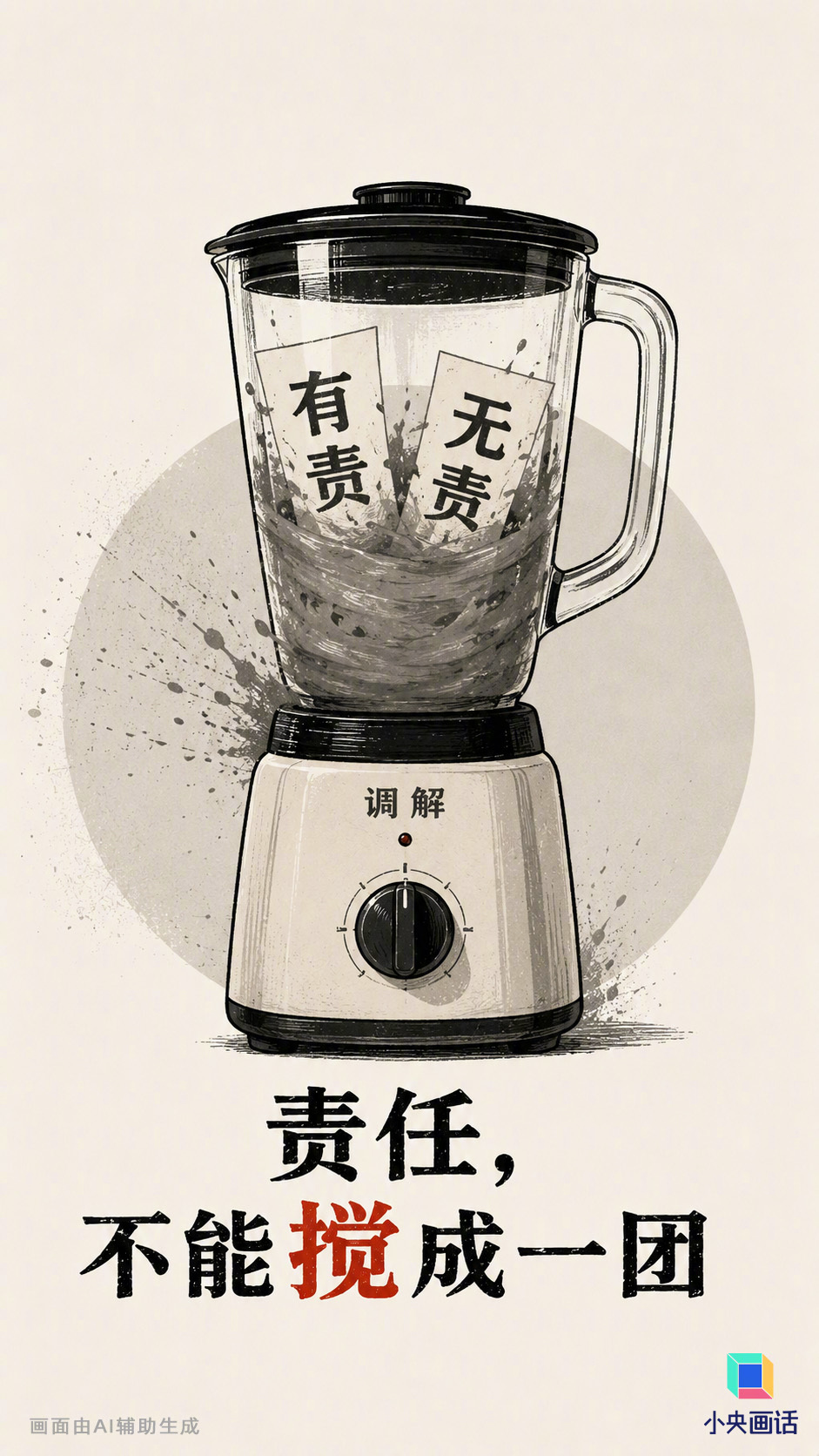
The official conclusion finally arrived: the shopkeeper did nothing wrong. But the money had already changed hands.
The case began on August 23 in Qidong County, Hunan, when an elderly man felt unwell outside a tea shop, rested on a bench, and collapsed. The shopkeeper came to his aid and got him to hospital, but the man later died. His family then demanded 100,000 yuan in compensation—an amount reported to have been negotiated down to 19,000 yuan, which the shopkeeper paid.
On August 24, the Qidong County Justice Bureau announced that it had intervened and concluded the shopkeeper bore no fault and no legal responsibility. The 19,000 yuan, officials said, was not compensation but a one-off payment made out of "humanitarian care." By then the money was already gone, and the legal question had been trailing the payment for a full day.
For many on Weibo, that sequence was the point. In a commentary liked more than 24,000 times, state broadcaster CCTV argued that a successful mediation is not the same as a correct outcome. What worries the public, it said, is not the sum itself but the prospect of paying to quiet a dispute turning into its own habit. Another commenter put the unfairness more plainly, wondering how the family could spend the 19,000 yuan with a clear conscience after the shopkeeper had done the right thing.
The debate is not new in China. Nearly two decades after the notorious Peng Yu case, in which a man who said he had helped an injured woman was ordered to pay damages, the fear of being blamed for another person's misfortune still shapes how bystanders behave. One widely shared post argued that the Hunan outcome is exactly the kind of result that makes people hesitate before helping a stranger at all.
CCTV returned to that same anxiety, insisting that the boundary of the law cannot be blurred by the word "humanitarian." Liability, it said, must be defined cleanly: someone responsible should answer for it, and someone without responsibility should be told so without qualification. Good conduct has to be protected rather than priced.
The episode had already been developing for days. Earlier coverage in the same case reported that the shopkeeper was to be refunded by the state, a move widely read as an attempt to repair some of the damage the affair had done to public faith in ordinary decency. The new ruling carries the same message: kindness should not leave a bill.
What remains unfinished is quieter. The formal finding removes the legal cloud, but the cash is gone and the memory of the demand lingers. The question Weibo keeps asking is no longer whether this shopkeeper was treated justly—the officials have answered that. It is whether a system that found her blameless can ensure the next stranger who reaches out is never handed a receipt for it.