A Shopkeeper Paid an Elderly Stranger's Family. Now the State Says It Will Give Her the Money Back
Hunan authorities have offered to repay the 19,000 yuan a shopkeeper paid after a man who collapsed outside her store died, a twist that has turned a viral 'helping the elderly' case into a debate about whether China's courts of public opinion can — and should — subsidise kindness.
The case that became China's latest test of whether it is safe to help a stranger has taken a turn no one expected: the government has offered to repay the helper.
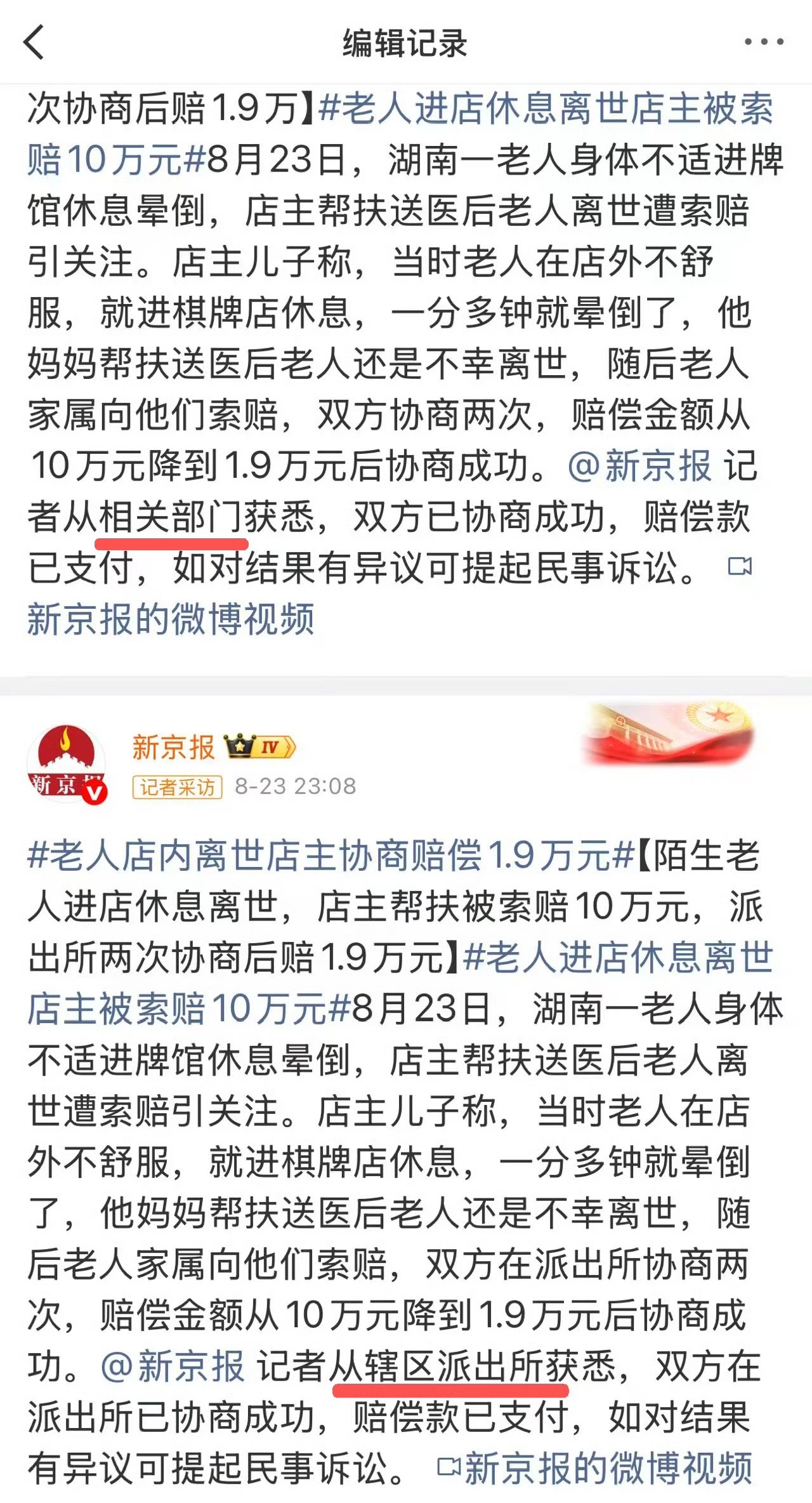
In early August a man in Hunan's Qiqian county felt unwell, came into a card room to rest and collapsed. The shopkeeper called an ambulance and helped get him to hospital, where he died. His family then asked for 100,000 yuan in compensation, and after two rounds of mediation the figure came down to 19,000 — just under $2,900. Local police confirmed the woman had done nothing wrong, and the agreement, released on August 24, described the payment as a voluntary humanitarian contribution, an ex-gratia sum that bought a signed promise from the family not to pursue the matter further.
That is normally where these stories end: a good deed, a payout, and a nation muttering that helping someone is too expensive. Instead, on the same day, Qiqian county's justice bureau said it was working to hand the 19,000 yuan back to the shopkeeper out of public funds. The state, in effect, stepped in to say the moral cost would be shared.
The offer matters because it reframes a question that has haunted Chinese public life since at least 2006, when a young man in Nanjing who helped a fallen elderly woman was sued and made to pay, birthing the phrase "扶不扶" — whether to help or not. That phrase again trended across Baidu and Zhihu as this case unfolded. Weibo users, many of whom had been watching through the shopkeeper's own surveillance footage, responded to the new agreement with relief edged in caution. One post said the incident proved "society isn't blind" but still advised people to film themselves, find witnesses and protect themselves before offering help. The reassurance and the fear sat in the same sentence.
The case is an escalation of a story we tracked earlier, when the demand was still at its most alarming. That initial coverage asked how a dying man's family could ask a stranger to pay for his death; the new developments show the question has moved from the family's claim to the state's response. The justice bureau's offer is modest in financial terms but consequential as a signal: a public authority has endorsed, with money, the idea that the helper should not bear the risk.
It is also a study in how a village-level dispute becomes a nationwide conversation. The case dragged the machinery of grassroots governance into the open, with provincial media running explainers on comprehensive governance centres, the hybrid mediation offices that fold police work and people's mediation into one office. For ordinary Chinese people, these centres are where disputes are supposed to be resolved quietly; here, one of them produced an agreement the entire country then read and judged.
By evening, the dominant question online was no longer whether the family's demand had been outrageous but whether the state's offer was enough. Some argued the shopkeeper never should have paid at all; others said publicly reimbursing her only strengthens the expectation that every good deed must be rewarded, which is its own kind of pressure. The debate is unresolved, and it is precisely the kind of argument — about duty, risk and the price of being decent — that keeps the helping-the-elderly question alive in China year after year.