Undercover Whistleblower Says a Taicang Villa Hid East China's Largest Underground Surrogacy Operating Room
Shangguan Zhengyi, China's best-known anti-trafficking volunteer, published the results of a nearly four-month undercover operation on Thursday: a villa in Taicang, near Shanghai, housing what he calls East China's largest underground surrogacy operating room. Local authorities confirmed a raid is under way — and are already sparring with him over who found it first.
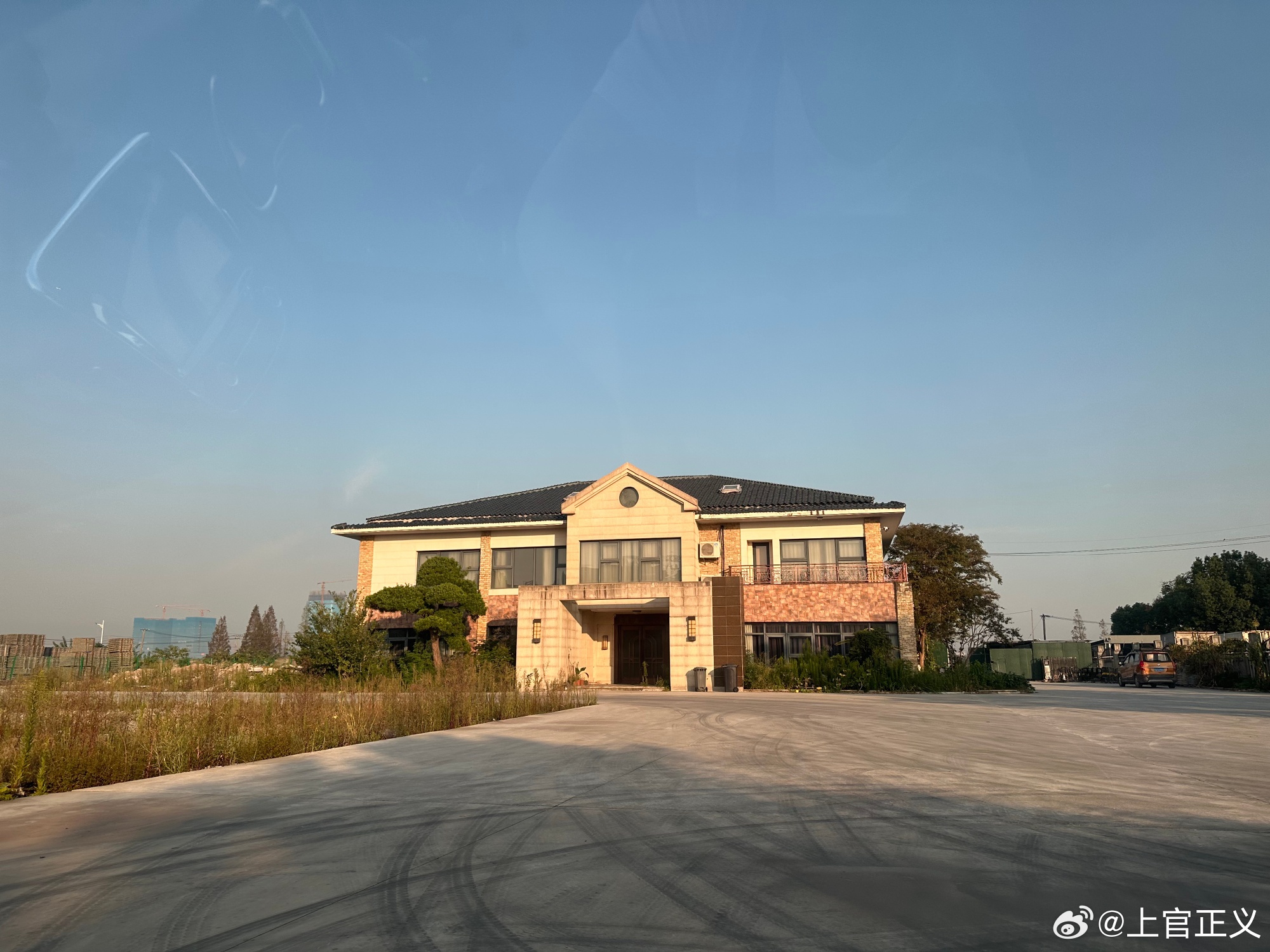
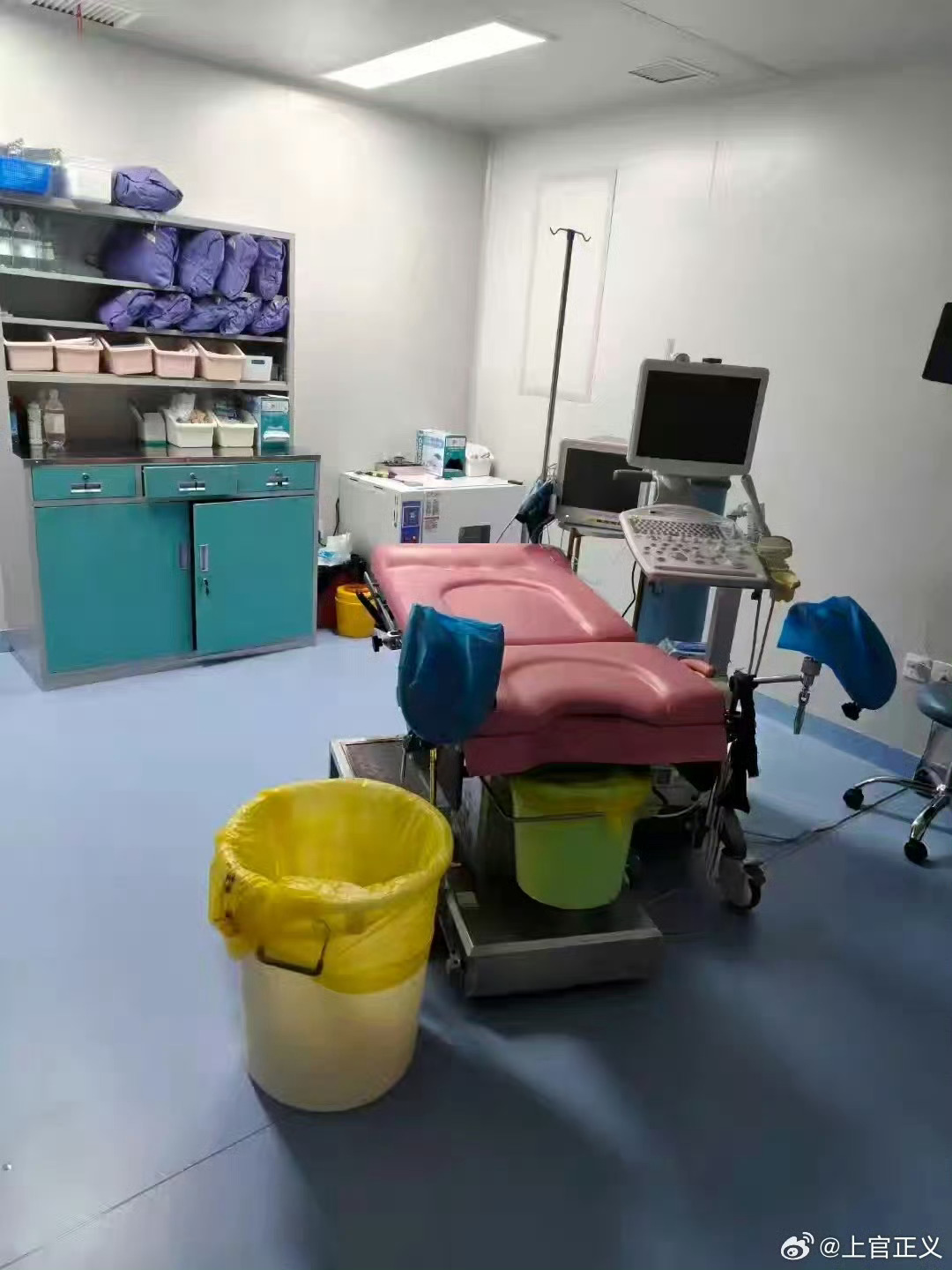
The villa on Jiangnan Road in Taicang's Ludu town looked ordinary from the street. According to Shangguan Zhengyi, the anti-trafficking volunteer who published photographs and a dossier on Thursday morning, inside it ran an operating theatre and an embryo laboratory that insiders called the largest underground surrogacy base in East China — serving agencies across Jiangsu, Zhejiang and Shanghai, performing by his count more than a hundred procedures a month, and getting through them early: work started at five in the morning so the surgeons could be gone by eight.
His account is detailed to the point of surveillance log. He says he spent nearly four months undercover, mapping the internal layout and personnel, logging licence plates, noting that clients are searched for electronics before pickup and that cars with tinted windows keep lookout outside during every procedure. The two doctors performing egg retrievals and embryo transfers, he writes, moonlight from top-tier hospitals and earn about 250,000 yuan a month each; the manager goes by the alias "Zhu Zong". The agency, he says, moved from a nearby district after someone tailing him got too close. Most unnerving to commenters: staff, he claims, were given a daily internal KPI of monitoring Shangguan's own social media activity.
By midday Taicang's health commission had issued a notice, carried by CCTV News and flagged across Baidu's hot-search board: that morning, "netizens reported" a house suspected of hosting illegal assisted-reproduction procedures, and the commission had joined police for on-site checks, promising to handle verified violations "according to laws and regulations". Shangguan was not in a mood to share credit. In a rebuttal post he laid out his own timeline: he called the police at 7:22, went public at 8:20, and while officers arrived fast, the first health-supervision staff turned up around 9:02 — an hour and forty minutes after his call. "Official notices must be based on facts," he wrote. "They can't varnish themselves." The argument over timing is a small thing that isn't: it is a fight over whether local agencies respond to a tip or manage its optics.
The same morning, a separate post by Shangguan trended under a hashtag translating as "reported, then restricted from leaving". In it he recounts an earlier case: after handing police infant-trafficking leads, helping catch a suspect and rescuing a baby, he says he was kept inside a police station, his phone confiscated and a minder at his side for hours — "from whistleblower to person under guard". Longtime followers read it as the occupational hazard of his decade posing as a buyer inside China's trafficking and illegal-adoption networks; critics of local governments read it as a warning about what happens after the cameras arrive.
Surrogacy is banned outright in China, and the ban does not end the demand — it drives it underground, where the trade feeds on egg sellers, unlicensed clinics and desperate paperwork, as our September investigation into an agency that sold a client's "surplus" baby showed. His exposé drew nearly 7,000 likes within hours. What the villa inquiry produces — prosecutions, or another notice fading quietly — is the question the country's commenters are already asking.