A Record Golden Week on the Rails — and a Box Office Stuck in 2014
China's October holiday moved a record 2.14 billion cross-regional trips, with rail traffic up nearly 13 percent, even as the box office fell to a thirteen-year low and premium spending sagged — a record of motion and a ledger of caution.
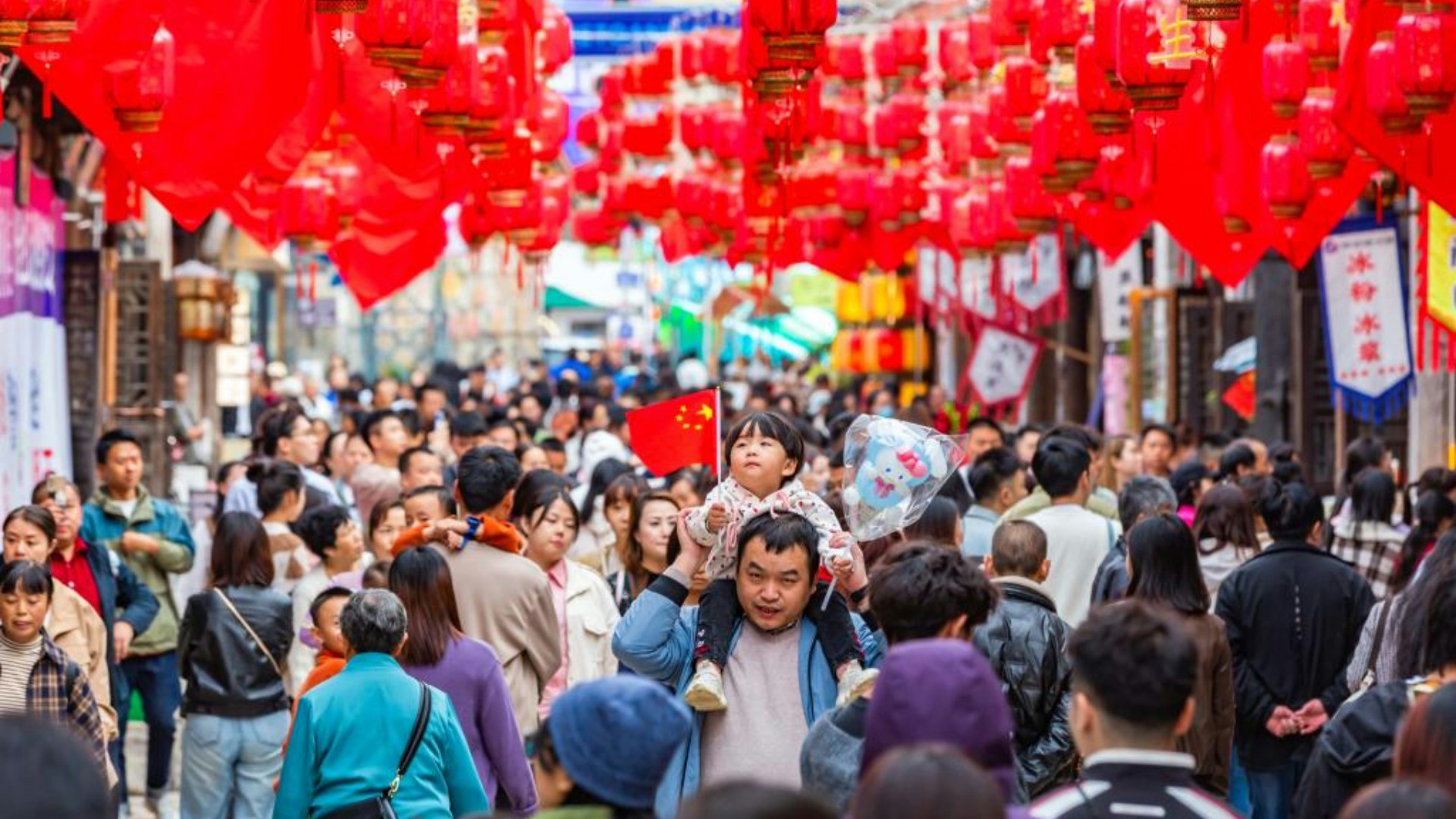
China's Ministry of Transport delivered its Golden Week report card on Thursday: between October 1 and 7, people made 2.142 billion trips across the country's regions — a daily average of 306 million, a record for the holiday, with the daily figure up 0.6 percent on last year's eight-day break. Trains did the growing: 152 million rail passengers, 21.7 million a day, almost 13 percent more than a year ago. Private car journeys on expressways and main roads actually fell, by 1.4 percent, and flights were flat at 169 million. The figures confirm what we previewed on the holiday's eve: a record choreography of movement, booked against a soft economy.
The split between rails and roads is partly calendar and partly the pump. This year's break ran seven days rather than eight, which flatters no growth rate, and analysts cited by Caixin pointed to high fuel prices weighing on driving. The other big variable was the stitch: with Mid-Autumn falling three days before National Day, the scheme of taking three days' leave to rest for thirteen (请3休13) became the maneuver of the season, stretching how far people were willing to travel. Research cited by HK01 found consumption steady, with mall sales growing slightly faster than at earlier holidays this year — and long-haul, visa-free destinations capturing a striking share of the growth.
Where the money moved: tax-office invoice data showed revenue from tourism and entertainment services up 23.6 percent over the holiday, with service consumption overall up 19.5 percent. Trade-in subsidies pulled households into appliance and electronics stores — one widely shared tally put the "old-for-new" spend at 19.6 billion yuan in three days.
Where it didn't: the cinema. The National Day box office closed at 1.165 billion yuan, its weakest in thirteen years by the arithmetic of the Zhihu question that topped the site's boards — 32 million admissions, an average ticket of 36.4 yuan that was cheaper than last year's, and still the halls stayed quiet. Sales of premium mooncakes priced above 1,000 yuan a box fell by more than half. As one skeptical summary circulating on Weibo put it of the gift economy: "the people who buy don't eat, and the people who eat don't buy."
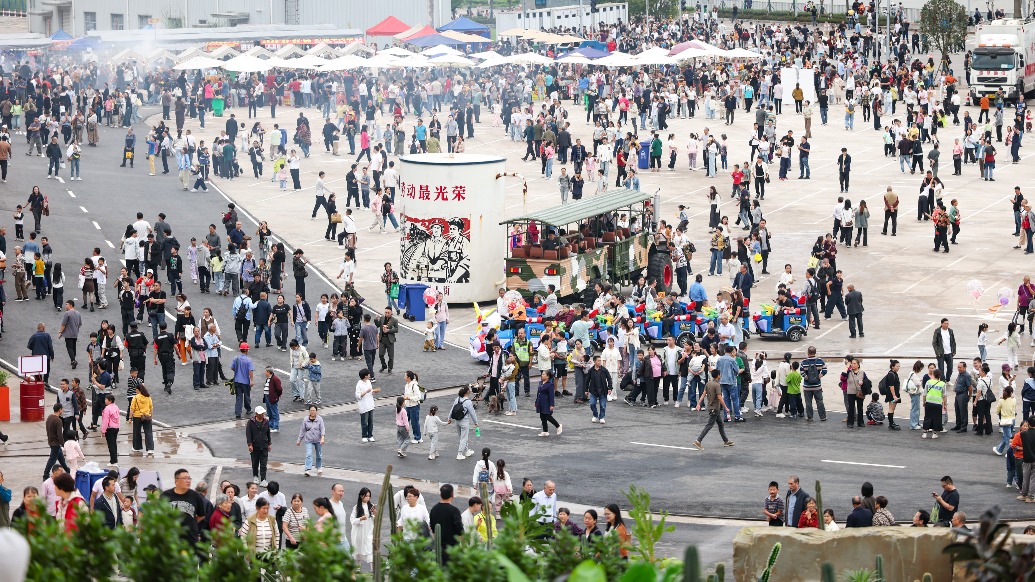
The post that captured the holiday's mood, though, was arithmetic aimed at the record itself. It noted that 2.14 billion trips spread across 1.4 billion people amounts to about 1.5 trips per person — when one round trip is already two — or, as it put it, "a minority of travelers averaged over a great many people who stayed home." The same post read the week as a referendum on wasteful spending: nobody is buying token goods anymore, and everybody is buying experiences or subsidized necessities.
That selective wallet is the through-line of this year's holiday — from families pushing hotel beds together to save a night's cost to crowds flooding free city spectacles. The machine now swings the other way: with the holiday over, domestic airfares have dropped by more than 30 percent on average, and on some routes a plane ticket now costs less than the train.