Russia Denies a Second Case in the Irkutsk Lab Death, but China's COVID Memory Won't Let Go
Russian health authorities say a rumored second case of unexplained pneumonia connected to an anti-plague institute researcher's death does not exist, but the story stayed near the top of Chinese trends all Wednesday — carrying stock-market jitters, a nod from Donald Trump, and the country's own pandemic memory.
Russian authorities moved on Wednesday to kill the week's most alarming rumor: that a second person had fallen ill after the death of a 28-year-old employee of an anti-plague research institute in Irkutsk, who was hospitalized with severe pneumonia and died on October 2. In a statement carried by Chinese state media, Russia's consumer-protection agency said no second case exists, that medical observation of the researcher's contacts had ended with no abnormalities found, and that nearly 5,000 laboratory tests had turned up no dangerous pathogen. The World Health Organization, which has been following the case since it was first reported, still cannot complete a full risk assessment.
The denial lands two days after Russian officials ruled out plague entirely — no plague pathogen in the samples, no laboratory accident — unwinding the story of a shattered vial of live bacteria that had sped through Chinese feeds, as our earlier coverage described. None of it stopped the story from trending again on Wednesday, across five separate Weibo hotwords and a top-fifteen slot on Baidu's search board.
Part of the durability is financial: traders treated the story as a position, pushing vaccine and testing stocks to their daily limit in early trade before the rally reversed by the close — what Chinese financial media called a roller coaster in the pharmaceutical sector. Part of it is political: reports circulating on Chinese social media recount Donald Trump characterizing the death as "pneumonic plague" and declaring that Russia has "a big problem", a framing that travels far beyond a regional health bulletin.
But the deeper current is memory. One widely shared comment put it: "The internet has memory. One moment and I'm pulled back to a familiar scene — wasn't COVID, at the very beginning, also an unexplained pneumonia?" (新冠刚开始也是不明原因肺炎). That sentence became its own hotword. Plague holds a specific place in China's institutional memory, too: under Chinese law it sits in the top tier of infectious diseases, Class A, alongside cholera — the list of diseases a state must report and mobilize against within hours.
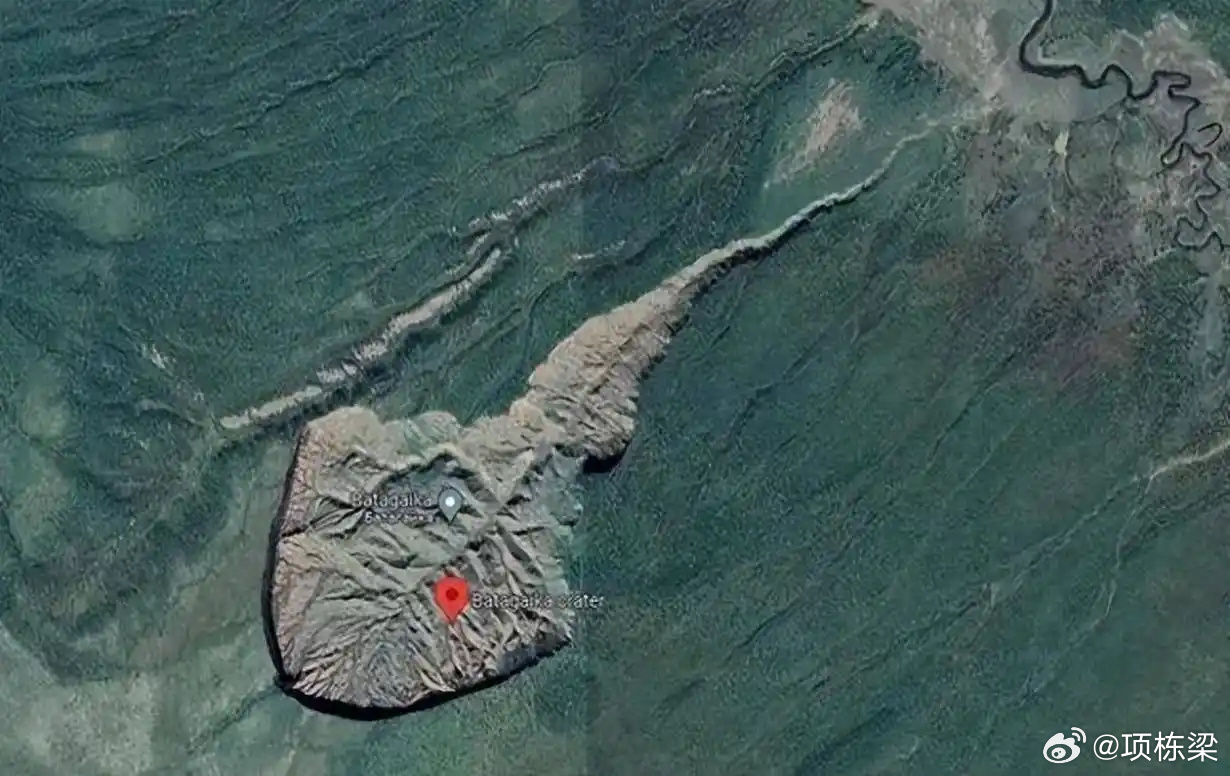
Science bloggers spent Wednesday arguing the anxiety back down. One of the week's most-shared posts, by a public-health blogger, walked readers through the case for calm: plague never disappeared — it is endemic on several continents, and even China reported two cases, one of them fatal, in August 2024; it is a bacterial disease that antibiotics treat well when caught early; and the urban sanitation that once made plague a city-killer no longer exists in Chinese cities. "If this really is plague, we should almost feel relieved," he wrote. "What would deserve real worry is a new pathogen nobody has ever seen." His post also reached for something stranger: Irkutsk sits at the edge of Siberia's thawing permafrost, and the explainer paired the case with satellite images of the Batagaika megaslump, where receding ice is exposing ground sealed for millennia — the real worry being not plague's return but ancient microbes' debut.
For now the official record stands at one death, no plague, no second case, and a WHO assessment still pending. What Chinese readers keep watching is not the disease but the disclosure: whether a cause of death is ever published in full, by a government whose information habits — as both Chinese bloggers and their readers noted — give every unanswered question a second life.