Stephen Chow Sells His Mainland Cinema Business for One Hong Kong Dollar
Bingo Group, the film company controlled by Stephen Chow, has agreed to sell the subsidiary that ran the actor-director's mainland cinema chain for HK$1 — a token price for a business sitting on net liabilities, disclosed the same week China's National Day box office fell to its weakest since 2014.
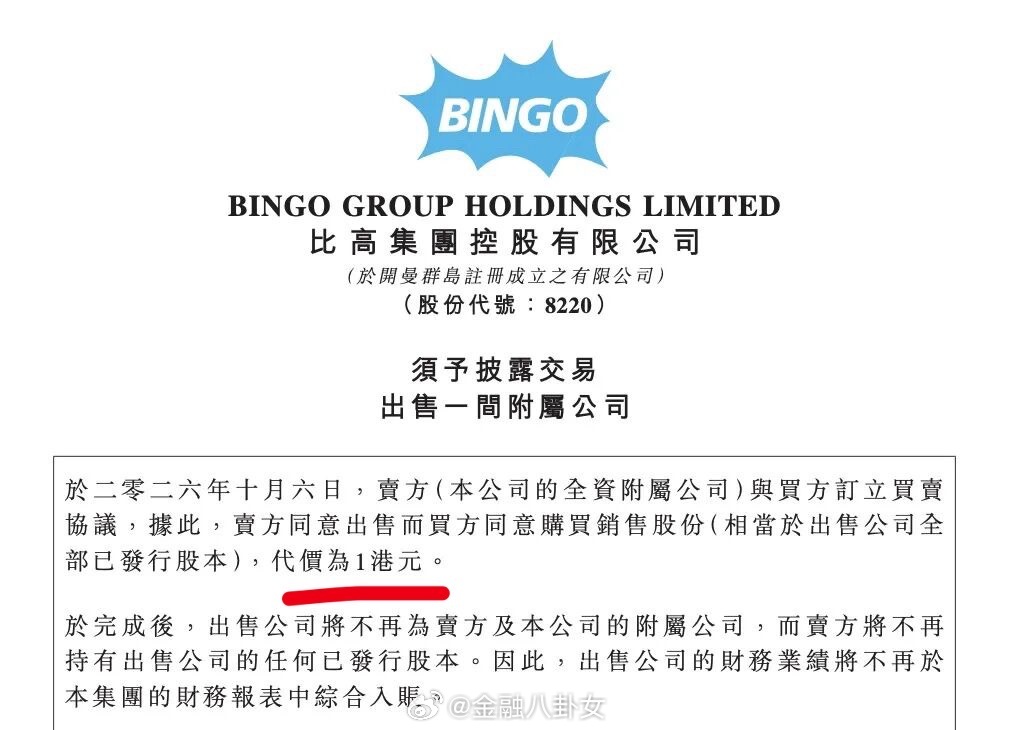
The price of a cinema chain, in China's current film market, can be one Hong Kong dollar. On October 6, Bingo Group (比高集团), the listed film company controlled by Stephen Chow, disclosed that a wholly owned subsidiary had agreed to sell the unit running its mainland cinemas for exactly that sum. According to the filing, the cinema business carried net liabilities of about HK$8.6 million as of August 31, excluding intercompany loans, and the disposal is expected to book shareholders a gain of roughly HK$5.4 million — the arithmetic of an operation whose debts have outgrown its screens.
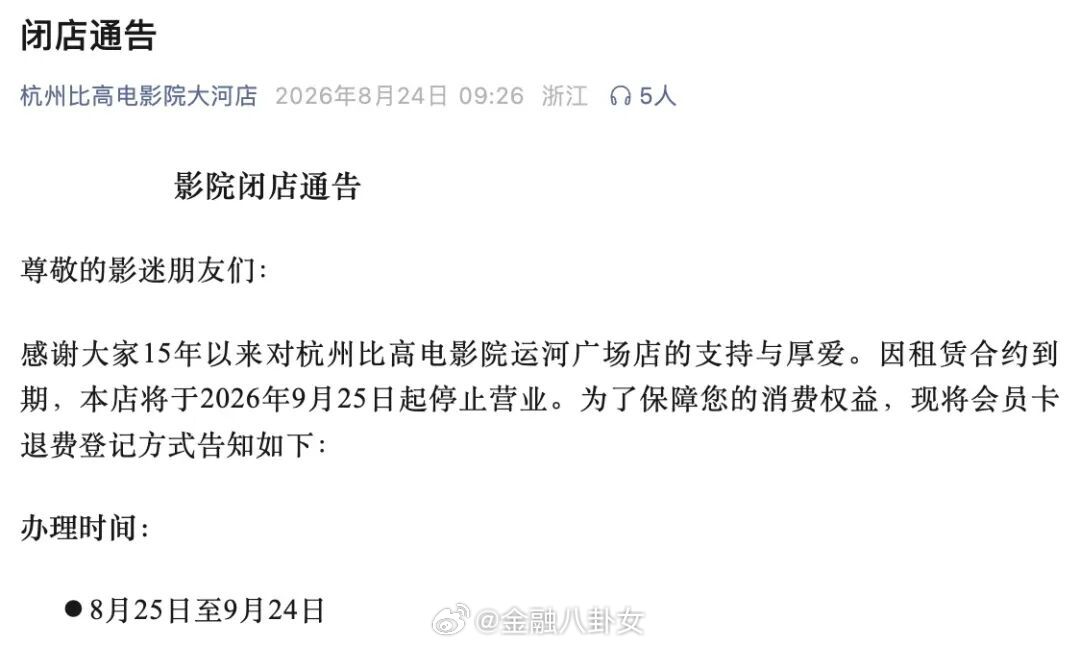
For Chow — the director and star whose comedies defined Hong Kong cinema's 1990s — Bingo has been the family's listed vehicle since he joined as executive director and major shareholder in June 2010, with his sister serving alongside him on the board. The cinemas being shed had run on the mainland for fifteen years. They had already gone dark before the paperwork caught up: the chain ceased operating in September, and one Hangzhou outlet, the Dahe branch of Bingo Cinema, taped up a closure notice as early as August 24.
The timing was not subtle. The National Day holiday week that ended October 7 took 1.165 billion yuan at the Chinese box office, down more than a third from a year earlier and the weakest such week since 2014 — a slide this site examined earlier in the month. On Zhihu, where the holiday's numbers were picked apart, the tally ran to about 32 million cinema visits, likewise down by more than a third, with average ticket prices barely moving. Fewer people are going; the seats are not getting cheaper.
The HK$1 exit also lands mid-reinvention. The Paper's film desk argues that the old model — one blockbuster hauling the whole nation into a dark room — has permanently ended, and that the surviving cinemas are the ones answering three questions: who a film is for, why it is worth leaving home for, and whether word of mouth can hold an audience. People Daily's own survey of the industry profiled cinemas that no longer live on films alone: one converted Hangzhou site now mixes a cinema with toy shops, VR rooms and a film bookshop, and still led Zhejiang's single-site box office for a third straight year.

On Weibo the reaction was less about accounting than about biography. "He said some time ago that he wouldn't act any more — now he's pulling out of the mainland cinema business too. What's going on?" one user asked under the trending topic. Bingo's remaining businesses are film entertainment, new media and licensing; what is gone is the last piece of Chow's experiment in owning the rooms where his country's films are watched. The closure notice in Hangzhou went up in August. The filing that followed in October valued what remained at one Hong Kong dollar.