With Young Viewers Gone, Chinese TV's Remaining Business Is Selling Medicine to the Elderly
A viral post alleging that every Chinese TV channel except children's channels now sells medicine has crystallised years of complaint about television's retreat into drug and health-product advertising — aimed at the elderly viewers who are the only audience left, and whom regulators say they are protecting.
The post that shot around Weibo on Sunday made the observation simply: apart from children's channels, Chinese television now sells medicine. "And the regulator's idea of a response is to keep studying set-top boxes," the account Mashang Tan added, in a post liked nearly 5,000 times, jabbing at the broadcast authority's habit of announcing technical fixes while the programme schedule itself has become an infomercial.
Anyone who has surfed Chinese television past midnight knows the genre. A solemn middle-aged man introduces himself as the last keeper of a family remedy passed down through generations of imperial physicians — then announces that he will, for the good of the people, make the decision that defies his ancestors (违背祖宗的决定) and reveal the secret formula. The phrase has been a national joke for a decade, recycled in parody after parody, and that is precisely the point: everyone under fifty knows the format is theatre. As one commenter put it, the salesmen keep making their ancestors-defying decisions because the people still watching television are mostly elderly — and they really do believe it.
That is the economic logic underneath the joke. Streaming emptied Chinese television of the young years ago; what remains is an ageing audience watching on the box that streaming never reached, and channels whose advertising base collapsed with the viewers. Drug and health-product advertising — loosely policed, immensely profitable, and legal in formats that would surprise Western regulators — is what fills the schedule. The children's channels really are the exception.
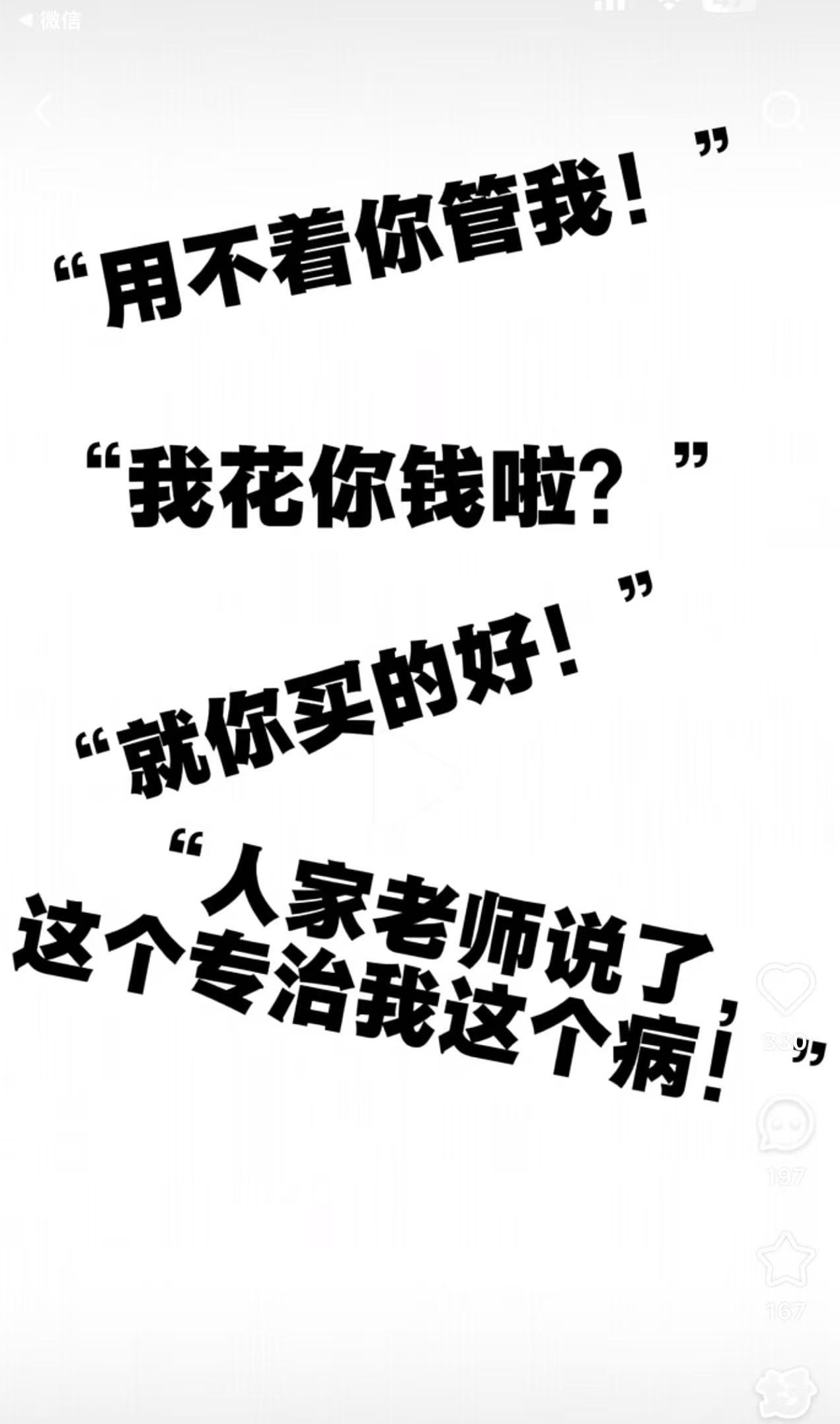
What the comedy looks like up close, a Beijing-area woman surnamed Nan laid out in a widely shared account of her own mother. She phoned one morning; her mother whispered that she was "in class" and would call back. The class was a TV-shopping outfit's free lecture — the funnel, Nan wrote, that begins with health talks and free trips for the elderly and ends with a 100-yuan product sold at 1,000 by "experts" whose company she could not even find registered. Her mother bought several thousand yuan of health products, and when Nan objected, got the reply printed on the meme now circulating with the story: "You don't get a say — is it your money I'm spending? The teacher said this one specifically cures my illness."
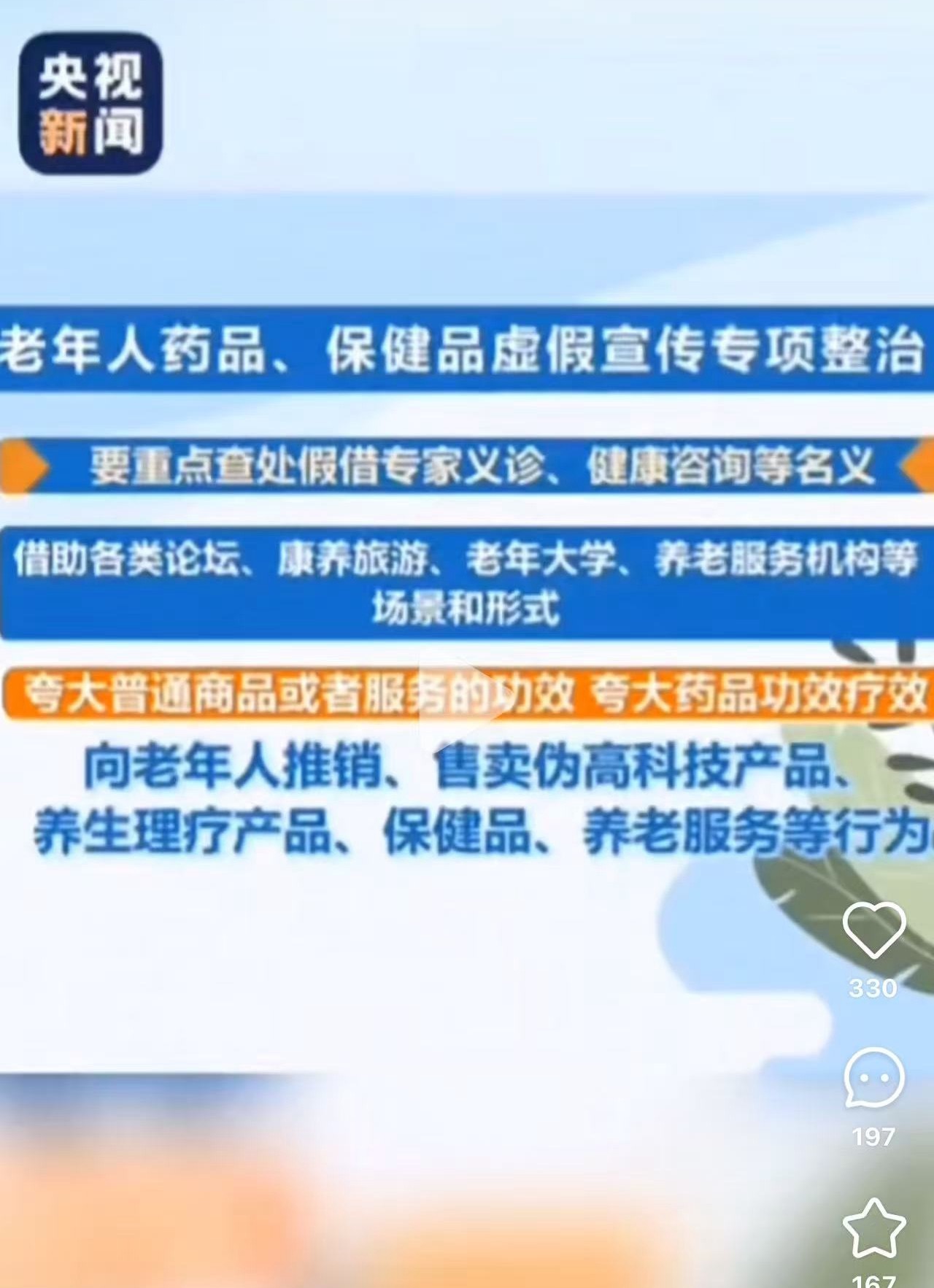
The state has not been absent: CCTV News itself has publicised a special rectification campaign against false drug and health-product advertising aimed at the elderly, targeting fake consultations and pseudo-high-tech products. But campaigns come and go, and the schedule fills again — which is why the weekend's post travelled not as scandal but as tired recognition. Television in China is becoming a closed circuit: a medium whose programmes are adverts, whose audience is the generation least equipped to fact-check them, and whose regulator is said to be still, faithfully, studying the set-top box.