Viewers Say Chinese Dramas Can No Longer Write a Low-Education Heroine
A trending debate accuses Chinese TV writers of flattening heroines from less-educated backgrounds into romance props — and has widened into an argument over whether the industry can write anything else at all.
The hashtag that climbed Weibo's charts on Saturday evening — 内娱编剧写不好低学历女主了, "mainland showbiz writers can no longer write a low-education heroine" — reads like a craft complaint, but it is really an argument about class. In Chinese drama, a heroine's diploma is routine shorthand for her standing, and viewers are accusing the industry of having stopped writing the women the education system ranked lowest.
The trigger was a comparison between two current performances. One poster contrasted an actress playing a graduate of a "second-tier" university — the 二本 admission band just below the elite track — who still comes across as timid and shrinking, with another playing a vocational-school graduate who is written as ambitious and brimming with confidence, nearly the inverse of what the credential hierarchy would predict. The diagnosis attached to it was about economics as much as talent: drama writing, the poster argued, used to be organised around personality, with plots showcasing a heroine's capability and intelligence. Now, they wrote, "all the plot revolves around emotion."
The stakes only make sense against the way China sorts its students. The gaokao bands a teenager into a tier that follows them through job interviews and marriage prospects, and the vocational track sits near the bottom of that ladder — a status anxiety so live that university graduates have lately been enrolling in technical schools to become employable. A heroine from that track is one of the few characters who can dramatise the whole system, which is precisely why viewers notice when she is written as a backdrop for romance.
The replies pushed back in two directions. One rebuttal called the topic beside the point: it is not that low-education heroines are written badly, it argued, but that nothing is — spy dramas, workplace dramas and business dramas all drift into love plots too. "Which of those are written well?" Another reply dropped the premise entirely: the problem is not a category of heroine but the quality of scripts as a whole, with Korean television's writers held up as the standard Chinese productions fail to meet.
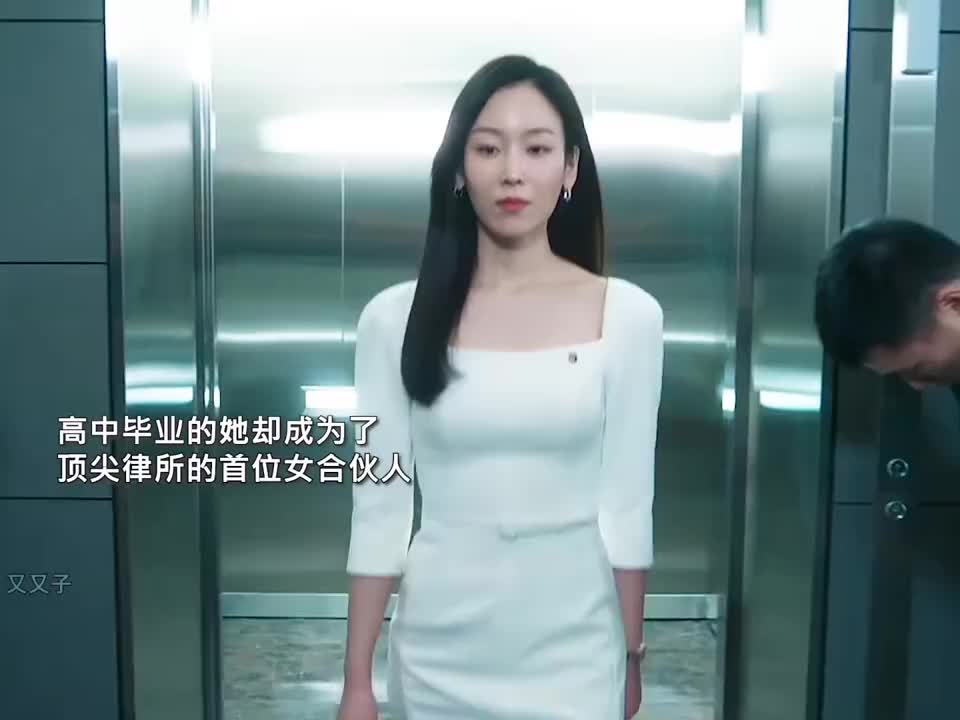
The thread carried the audience's counter-appetite too: the same debate circulated a short video retelling the story of a high-school graduate who became the first female partner at a top law firm — a competence narrative, told without a university degree in sight, and clearly one people wanted to watch.
That is the tension the hashtag leaves open. Streaming platforms commission romance-heavy dramas because female audiences reward them, yet the argument over the low-education heroine shows those same viewers asking for women characters defined by what they can do rather than whom they chase. Whether the fault lies with the industry's economics or its writers' rooms, the audience has at least stated its side plainly.