Customs Blocked 162 Tonnes of Weilong's Konjac Powder Over Sulfur Dioxide
China's customs agency intercepted 162 tonnes of konjac flour imported from Indonesia by spicy-snack maker Weilong after tests showed sulfur dioxide above the national limit. The company says none of it reached its wildly popular konjac strips — a reassurance the public is only partly buying.
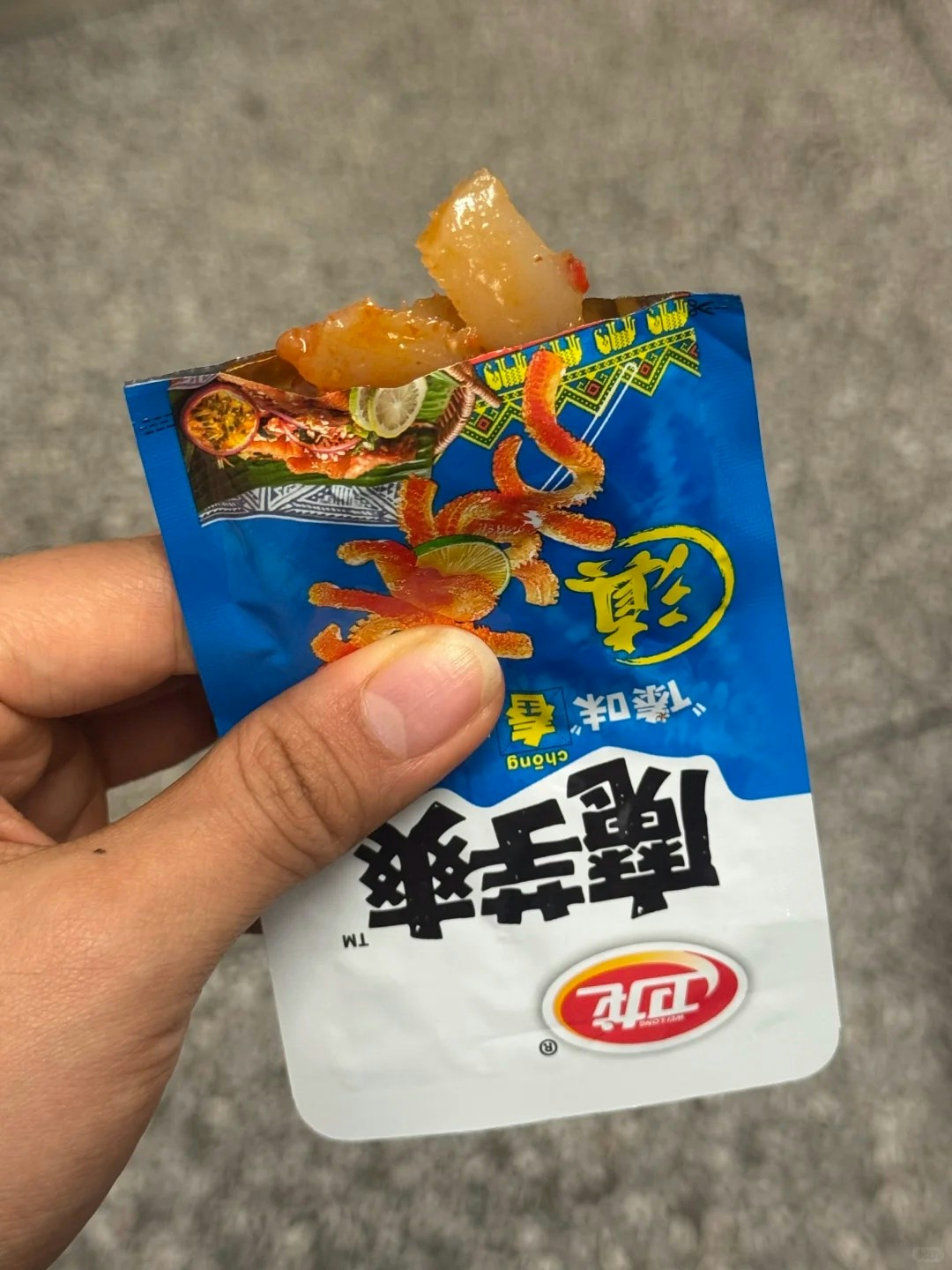
The disclosure came, unusually, from the customs authorities themselves: the import and export food safety bureau of the General Administration of Customs reported that 162 tonnes of konjac powder shipped from Indonesia to a Weilong subsidiary had failed inspection on arrival. Sulfur dioxide, a preservative and bleaching agent, was above the limit China's food-additive standard allows, so Qingdao customs blocked the consignment and sent it back. Konjac powder is the raw material for moyushuang (魔芋爽), the chewy, chili-laced konjac strips that are one of Weilong's flagship products and a staple of Chinese office desks and school bags.
Weilong moved to contain the damage on 14 September. Customer service staff told Beijing Youth Daily that the batch had been returned according to regulations, was never used in any Weilong product, and had nothing to do with what is currently on shelves. It is the textbook corporate response, and on Weibo people could see that it was.
"The response is very standard: the raw material never entered the country, was not used in any product — logically, nothing wrong," one widely shared post put it, liked more than 700 times. "But one netizen's follow-up question cuts deep: what about before? The batches that weren't sampled, the ones already used in products — can you guarantee those didn't exceed the limit?" The post's author answered his own question: trust, in China's food market, "cannot survive many rounds of being spent on 'this time it's fine.'"
Not everyone saw a scandal. Others argued the opposite lesson — that an interception at the port is the system working, that a blocked shipment is precisely what inspection exists to produce, and that a snack brand should not be condemned for a batch its factories never touched. "This batch never entered the factory, so what's on the market is fine," as one reposting user summarized the company's position — before admitting the scale of the number had startled her anyway: "162 tonnes, detained outright and sent back. Terrifying."
The story traveled beyond the mainland within a day: Hong Kong's HK01 carried the customs disclosure and the company's reply, and a widely circulated "Food Safety Daily" graphic filed it alongside the day's other enforcement news. That reach reflects the brand involved. Weilong, the spicy-snack empire that grew out of latiao, has spent years persuading regulators and investors that its factories are cleaner than the category's reputation; its konjac strips are now exported and sold internationally.
Sulfur dioxide is not exotic in food production — dried produce and starches are frequent offenders, and the standard it breached, GB2760, is the same rulebook that governs additives in every packaged food in China. What happens next is the ordinary mechanics of enforcement: the powder goes back to Indonesia, no recall is issued, and the moyushuang stays on the shelves. The open question is the one Weibo kept asking: an inspection catches what it samples, and no one outside the customs bureau knows what the unsampled share looked like.