How a Borrowed Couture Gown Upended China's Biggest Fashion Night
A red-carpet broadcast gap, a wrongly accused actress and a claim that a star's Zuhair Murad gown was bought rather than borrowed turned Bazaar's annual gala in Jiangyin into seven trending topics — and exposed the quiet economy behind Chinese celebrity couture.
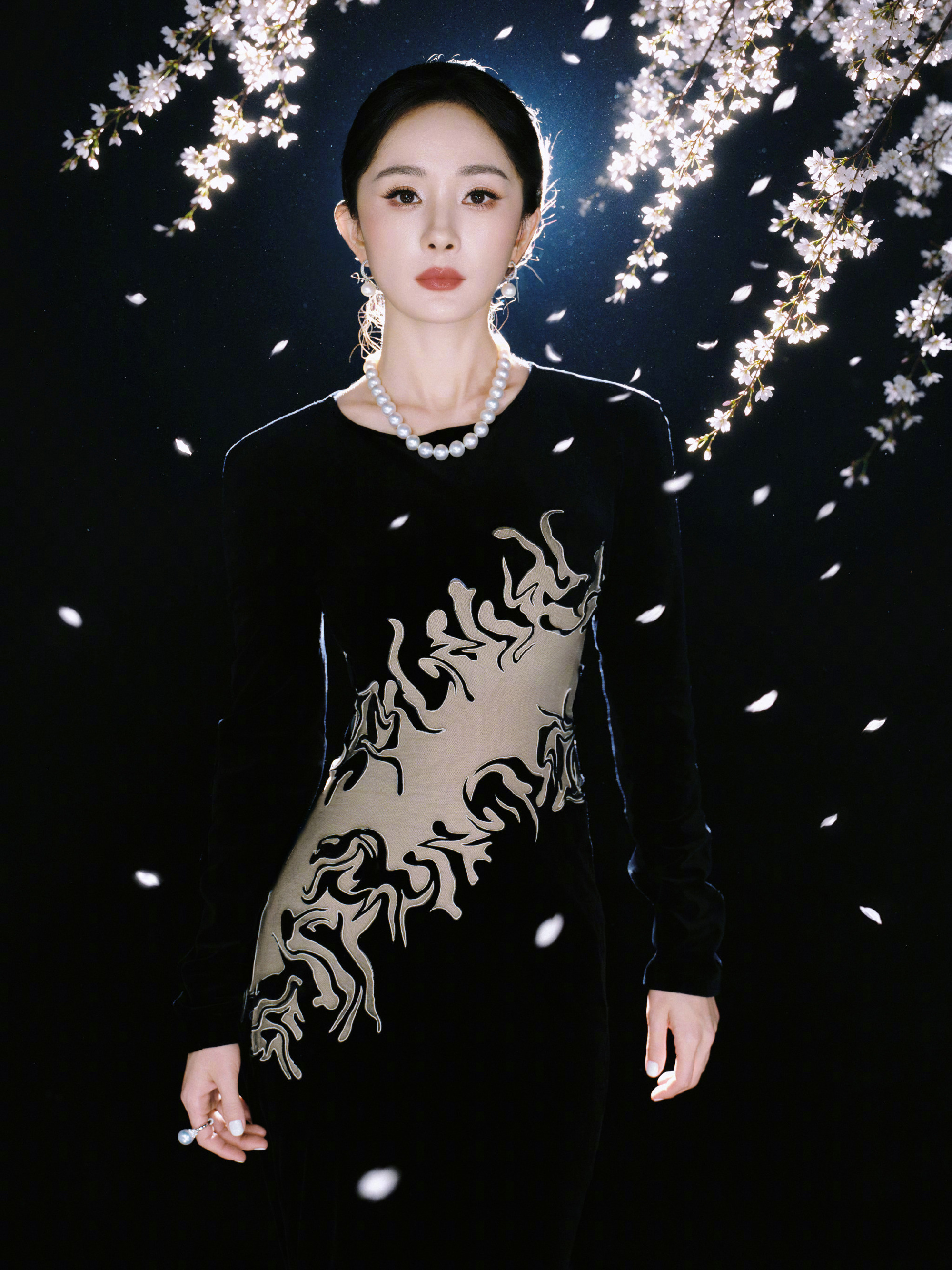
The red carpet at Harper's Bazaar China's annual gala — the biggest night on the fashion-entertainment calendar — is choreographed to the minute, and this year's, held on Tuesday in Jiangyin, did not survive the choreography. Midway through the evening the livestream held on an empty carpet for more than a minute while the audience waited for a star who never appeared; organizers pulled Zhang Xiaofei forward from later in the running order to fill the gap; and by morning the night had broken into seven separate trending topics, most of them angry. What began as scheduling gossip ended somewhere stranger: a public argument about how China's stars actually get dressed.
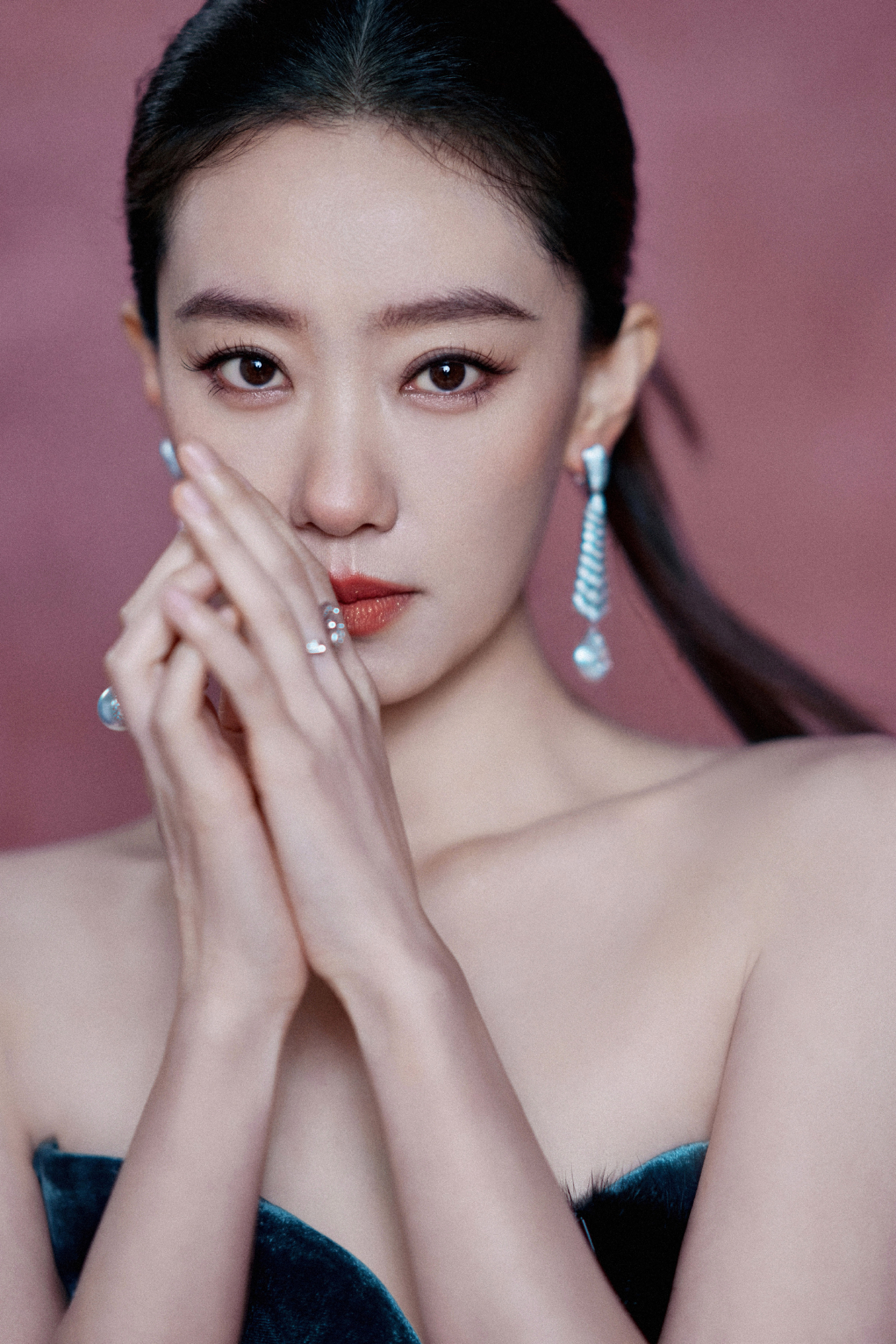
The first mystery was the empty minute. Fan accounts that reconstruct these broadcasts frame by frame concluded someone had refused to walk in her assigned slot, and suspicion settled on Cai Wenjing — until timelines showed she had finished her walk while it was still daylight. Her own post that evening, "Back in Jiangyin, revisiting old haunts" (又见江阴,故地重游), drew more than 10,000 reposts, a fair share of them apologies. One recap of the evening, matching the rumours against the actual broadcast, concluded the empty minute belonged to the organizers, not to any actress.
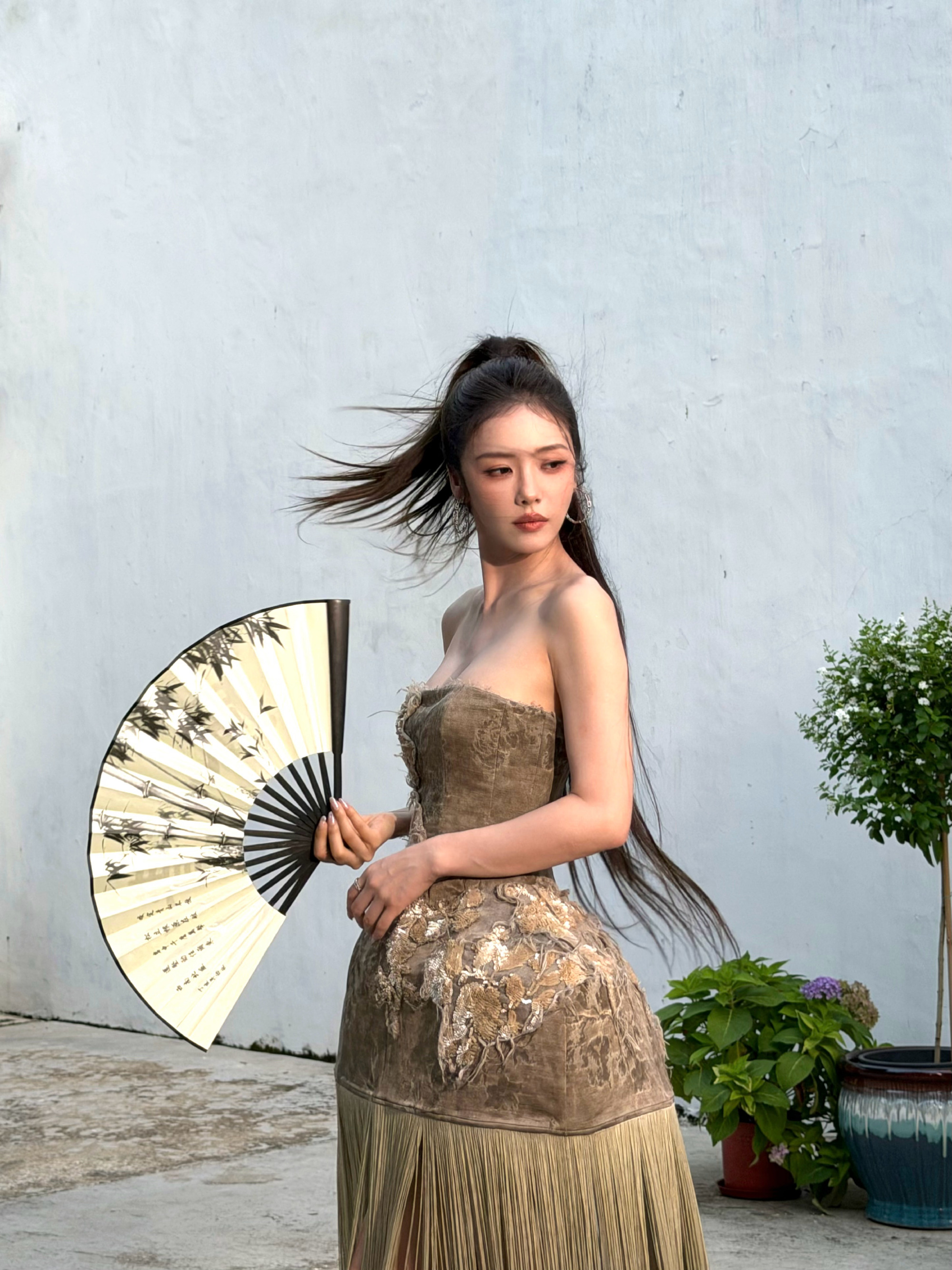
The night's lasting damage, though, came from a different hashtag: 曝自费高定艺人名字 — "expose the names of stars who pay for their own couture." In Chinese entertainment a couture look is not just clothes; it is a ranking. Brands lend current-season haute couture to the actresses they want to anoint, fan accounts tabulate who wore what first, and the closing slot — 压轴, the last walk before the lights go down — is the summit. Zhao Lusi arrived wearing two: an Elie Saab gown and the Zuhair Murad closing piece (祖海, as the house is rendered in Chinese fandom), a pairing one fan account greeted in the vocabulary of a moon landing — the first actress, it declared, to wear both houses at a single event.
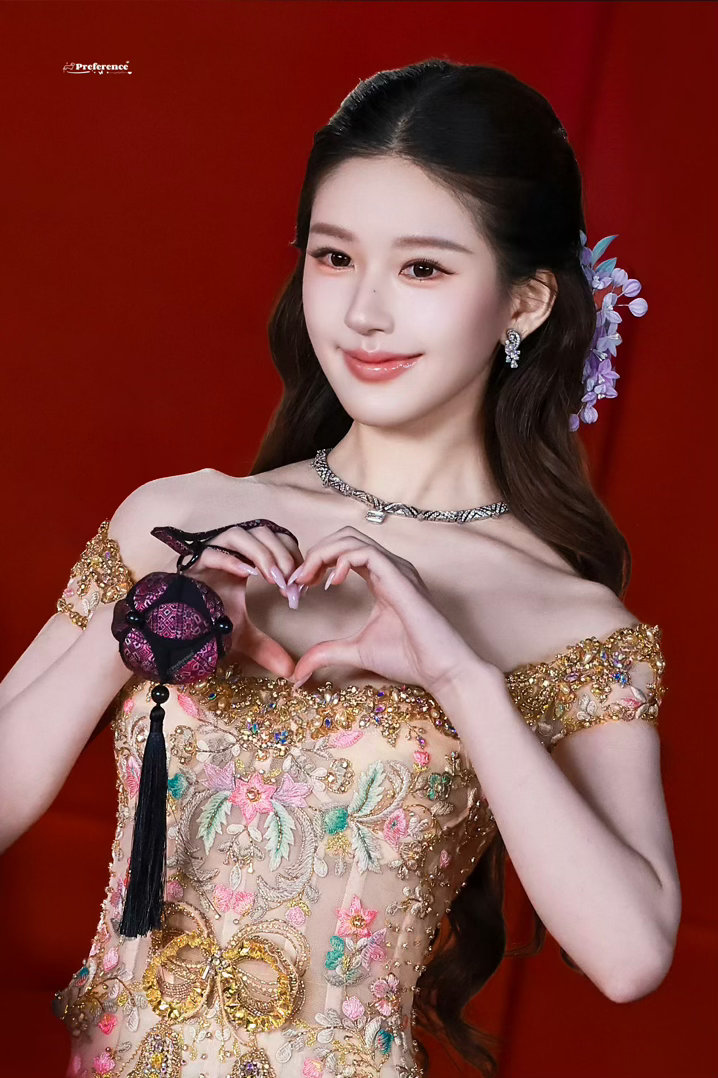
Then the audit began. A fashion blogger claimed a gown Zhao had worn six months ago was rented rather than lent by the house; a wedding-dress shop claimed her Bazaar Zuhair Murad as its own stock. One widely shared post compressed the scandal into a sentence — "Good news: the couture gown Zhao Lusi wore at Bazaar has been claimed. Bad news: it was claimed by a wedding-dress shop" — and put the gown's rumoured price at several hundred thousand yuan. By Wednesday the accusation had reached Baidu's trending board, with her studio and the brand still silent.
The borrowing itself is not the scandal — bridal shops and red carpets have always drawn on overlapping wardrobes. The transgression is visibility. A star's couture file reads as a ledger of brand standing, and "paid for it herself" is read as a demotion; the closing slot that night went, correctly by the old rules, to Yang Mi in Iris van Herpen. What the gala exposed is that the ledger can now be audited from the outside, by anyone with a screenshot and an account. Whether borrowed and bought can stay legible at all, once every claim is public, is the question China's fashion press is left holding.