Beijing Opens Investigations Into Fliggy, Tongcheng, Tujia and Meituan Four Days After Their Price Pledge
China's capital market regulator put four of the country's largest online booking platforms under formal investigation on Friday, four days after an industry-wide meeting at which they pledged to drop 'whole-network lowest price' guarantees.
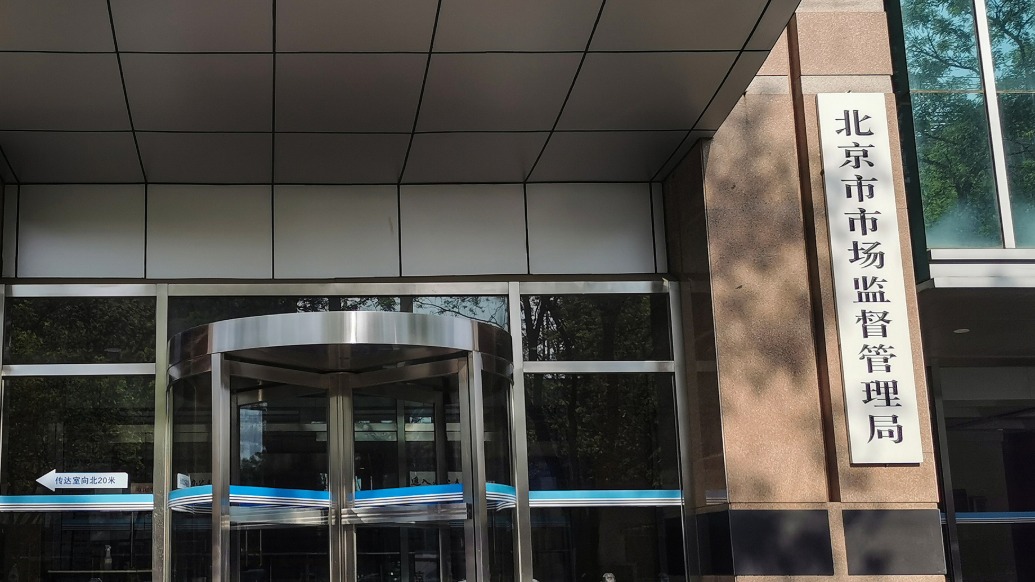
Beijing's market regulator has opened formal investigations into four of China's biggest online travel and booking platforms — Alibaba's Fliggy, Tongcheng Travel, Tujia and Meituan — the Beijing Municipal Administration for Market Regulation announced on Friday. The probes, conducted under China's anti-unfair-competition and e-commerce laws, were confirmed by CCTV and reported by every major financial outlet within hours, and all four companies have publicly promised to cooperate.
The timing is what makes the story travel. On September 15, the national market regulator and the Ministry of Culture and Tourism summoned the country's booking platforms — Meituan, Douyin, JD.com, Ctrip, Tongcheng and Fliggy among them — to an administrative guidance meeting over pricing practices. Four days later, the two platforms' peers were under investigation, and commentary seized on the gap. "They promised not to push 'lowest price across the whole web' — four days later they were placed under investigation," ran one commentary from Qianjiang Video, a Zhejiang broadcaster, arguing the platforms should not treat their pledges as a shield.
What the regulators are chasing
Officials have not detailed the specific conduct under investigation, but the sequence points at the price-war mechanics of China's online hotel market. Since spring, the big booking apps have competed by promising hotels and travelers "whole-network lowest prices" — guaranteed floor pricing that smaller rivals and hoteliers say squeezes both. The China Hotel Association publicly welcomed the investigation on Friday, saying it "actively supports and promotes" the regulator's deployment on platform competition order. Jiemian-style summaries circulating on Weibo noted the probes cite both the anti-unfair-competition law and the e-commerce law — the same legal pairing used in earlier platform-economy cases.
Each of the four responded with near-identical statements within hours: Fliggy said it would "fully implement regulatory requirements," and Tongcheng, Tujia and Meituan issued matching assurances of cooperation. The story did not chart on Weibo's own hot-search list — but it ran at the top of The Paper's and Yicai's news feeds and led Baidu's finance coverage, a case of a business story breaking through trade and wire channels rather than the trending chart.
Why it matters beyond China
Online travel platforms occupy a chokepoint in Chinese consumer life: they intermediate most hotel and homestay bookings, and their discount guarantees have been blamed for forcing hotels to equalize prices across apps while paying rising commissions. Friday's action echoes the broader regulatory turn of recent years — sector-by-sector campaigns against platform practices regulators view as coercive, from delivery-rider algorithms to food-delivery subsidies.
The investigations are open-ended, and regulators gave no timetable. What platforms and hotels will be watching is whether the case ends in fines and rule changes that dismantle the "lowest price" guarantee — or a settlement that leaves the price war intact.