Chikungunya Fever Sparks Global Concern as Cases Surge in Southern China
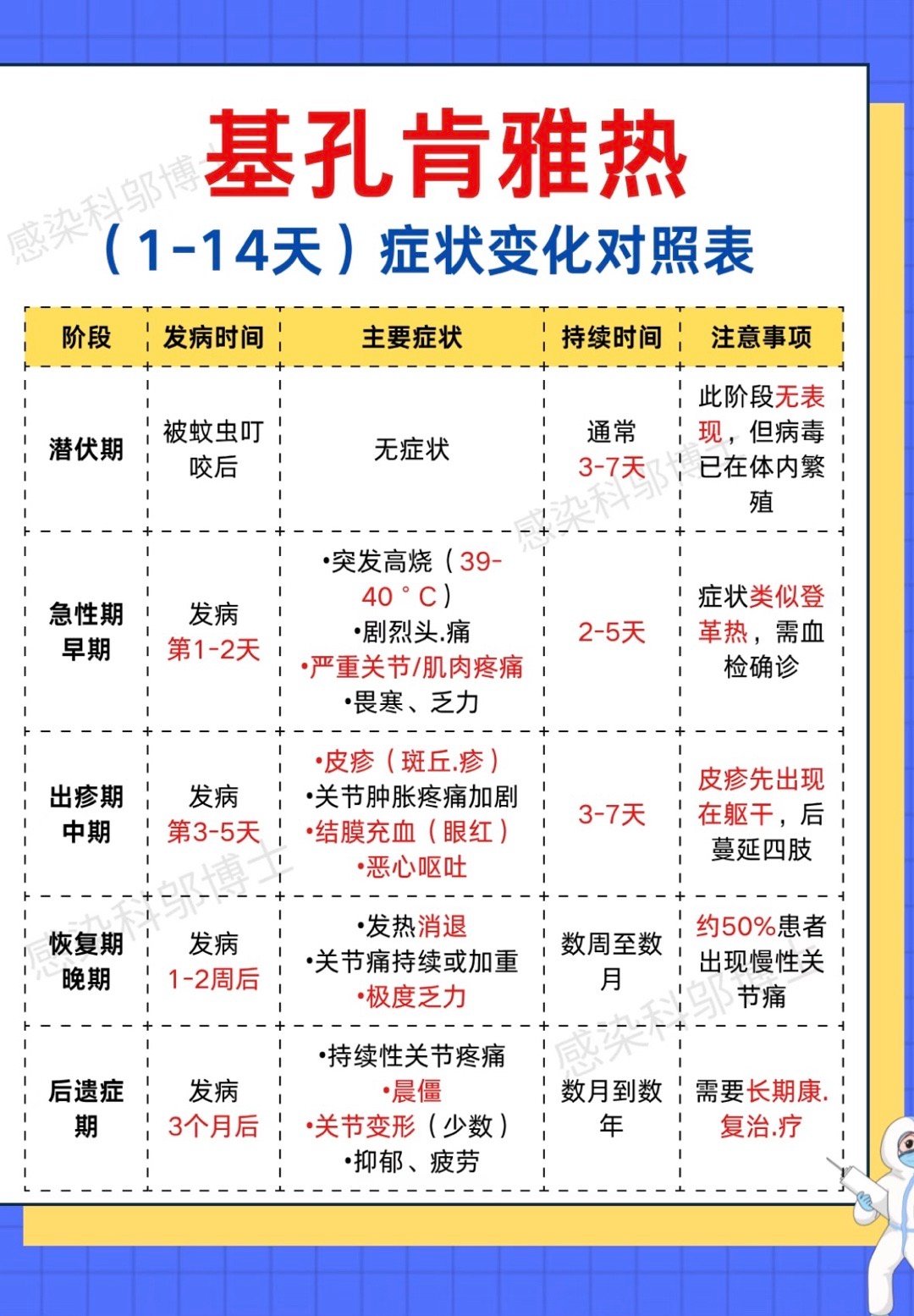
A growing concern in the global health community, Chikungunya fever, a mosquito-borne infectious disease caused by the Chikungunya virus, has seen a significant resurgence in recent years. Characterized by fever, rash, and acute joint pain, this disease, primarily transmitted by Aedes mosquitoes, has the potential to cause severe, debilitating symptoms that can significantly impact the quality of life.
Historically, Chikungunya fever was first identified in 1947, but it didn't gain much attention until later due to its limited distribution and mild symptoms. However, with the significant outbreak of Zika in Brazil in 2015 and the subsequent link to microcephaly, mosquito-borne diseases like Chikungunya have been under increased scrutiny. The COVID-19 pandemic further accelerated the development of mRNA vaccines for various infectious diseases, including Chikungunya, with clinical trials being conducted in the following years.
According to recent reports, more than 4,000 confirmed cases of Chikungunya fever have been reported in Foshan, Guangdong, sparking public alarm due to the potential for debilitating sequelae and the lack of a specific cure. The public is being advised to focus on mosquito control and personal protection, with pediatricians and experts sharing knowledge on prevention.
The global re-emergence of Chikungunya fever is attributed to several factors, including its high global prevalence, with the World Health Organization (WHO) reporting transmission in 119 countries and territories. Recent cases of imported Chikungunya fever in southern China and Europe have also raised concerns, highlighting the need for effective mosquito control measures.
The virus has a shorter incubation period of 2-3 days compared to dengue fever, leading to faster transmission. Furthermore, the approval of the first recombinant vaccine, Vimkunya, by the US FDA in February 2025, has brought new hope for disease prevention.
Looking back, Chikungunya fever has a history of large-scale outbreaks, including one in the Indian Ocean region approximately 20 years ago, which affected around 500,000 people. With the current rainy and typhoon seasons, there is an increased risk of mosquito breeding and virus transmission.
While there is no specific effective treatment for Chikungunya fever, prevention remains key, focusing on mosquito control, including avoiding mosquito-dense areas, wearing long sleeves and pants, using mosquito nets, and maintaining clean, dry indoor environments. A rapid and sensitive RT-RAA method for detection has been developed, with a short detection time and high sensitivity. Ongoing research into mRNA vaccines is also underway, with clinical trials being conducted.
The public reaction to Chikungunya fever is one of concern and caution, with a focus on preventative measures, particularly regarding mosquito bites. The hashtag #基孔肯雅热致残 (Chikungunya fever causing disability) has been trending on social media, highlighting public awareness of the severe and lingering symptoms. As the disease continues to spread globally, it is essential to remain vigilant and take proactive measures to prevent its transmission.