For the First Time, Chinese Are Buying More Mooncakes to Eat Than to Give
Days before Mid-Autumn Festival, Maxim's mooncakes are selling at up to 40 percent off, and industry data shows self-purchase has for the first time overtaken gifting — evidence of a structural turn away from the luxury gift box that is deflating a 29-billion-yuan market's old business model.
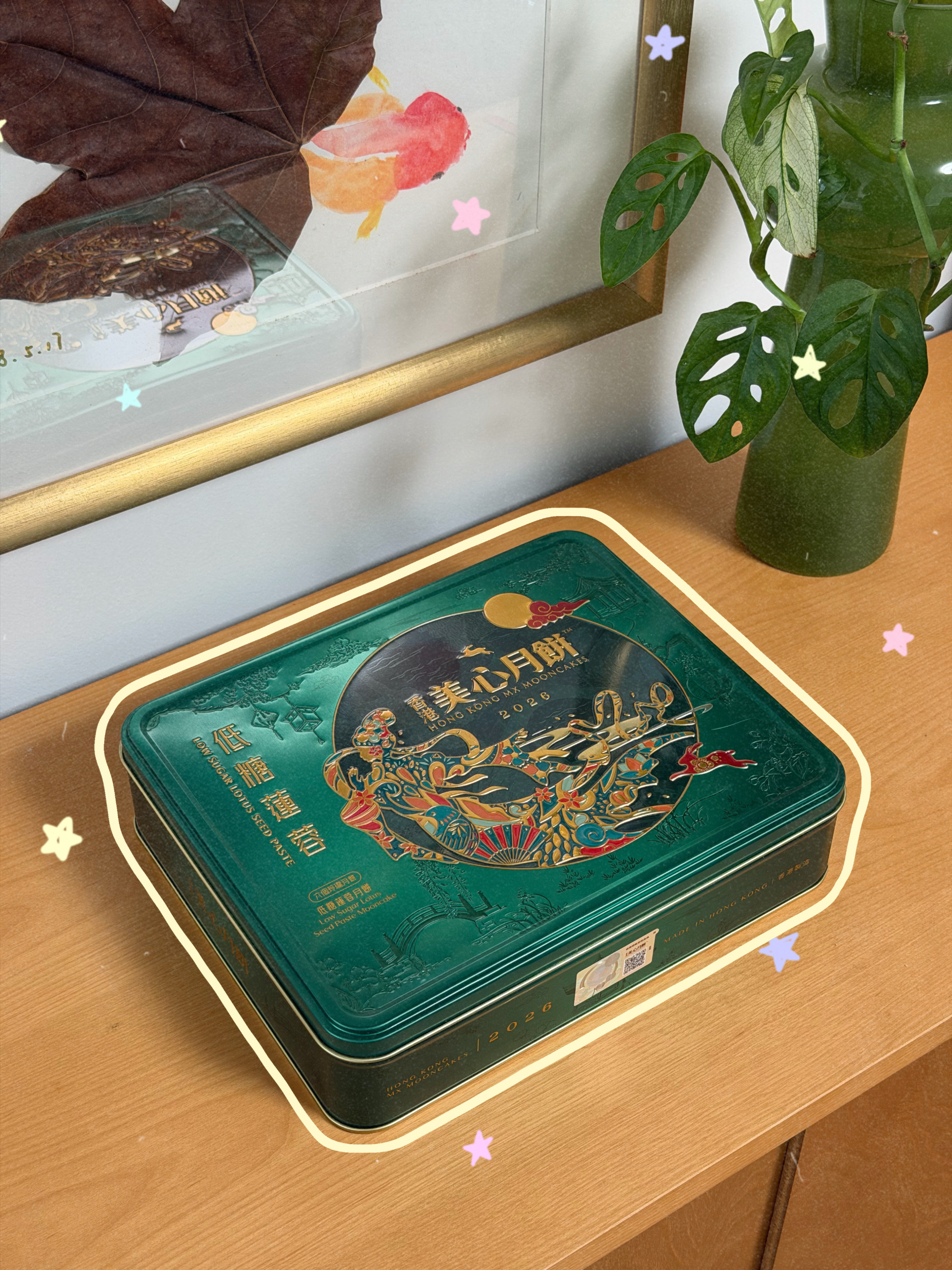
With four days to go before Mid-Autumn Festival, the discount signs went up early this year. Maxim's, the Hong Kong bakery whose tinned mooncakes are the archetypal holiday gift, is selling its 318-yuan double-yolk white lotus-paste box for 238 yuan; peers like Peninsula, Ying Ji and Wing Wah are running 20 to 30 percent off, and in Hong Kong itself, stacked with payment-app coupons, some Maxim's products have touched 40 percent off. "We'll sell at a loss rather than let it rot in our hands after the fifteenth night," one wholesale dealer told Blue Whale News, estimating his margin at around 10 percent.
The telling number, though, is not the discounting. In this year's industry surveys, mooncakes bought "for everyday eating" outnumbered those bought as gifts for the first time — 50.4 percent to 42.5 percent. The overall market is not collapsing; it is worth roughly 29 billion yuan this year, up 2.7 percent. What is collapsing is its old center of gravity, the luxury gift box: sales of boxes priced above 1,000 yuan fell 76 percent, boxes over 500 yuan now hold under 2 percent of ordinary retail, and plain 79-to-139-yuan boxes dominate the shelves. One shopper in Zhejiang made the new logic literal — a 17-yuan empty gift tin from an online seller, filled with loose cakes, total cost under 25 yuan, indistinguishable on a gift table from a 100-yuan box.
The mooncake was China's densest social currency — a boxed token that moved up hierarchies of elders, teachers, clients and officials, with the tin itself carrying the message. As the gift economy deflates, the box stops being the product and the contents start being judged like any other food: is it good, is it healthy, what exactly is in it? That shift has company. The consumer revolt against corn syrup quietly replacing sugar in drinks ran on the same ingredient-label literacy, and mooncake makers now advertise low-sugar lotus paste the way yogurt brands advertise protein.
There is a harder economic read underneath, and Chinese business commentary has been quick to draw it: the force flattening the mooncake tin is the one pushing Porsche to cut 300,000 yuan off a Cayenne in China. Consumers are not spending less so much as refusing to pay for packaging and pretense — what one financial column called consumption "rationalization" rather than downgrading. A market worth some 29 billion yuan, up slightly on the year, is still there; it has just moved from the boardroom table to the breakfast table. The wholesalers' September panic — 10 percent margins, discounts before the festival, stock that is worthless the day after the full moon — is now a fixed feature of the calendar. What is new this year is who the customer is: the eater, not the recipient.