China Begins a National Phaseout of the Set-Top Box
China's broadcasting authorities have started rolling televisions with the set-top box built in out to the whole country, beginning with China Broadcasting Network's first national procurement of integrated-TV adapters. The tangle of remotes and cables behind the Chinese TV is finally on its way out — and viewers are already warning about what might replace it.
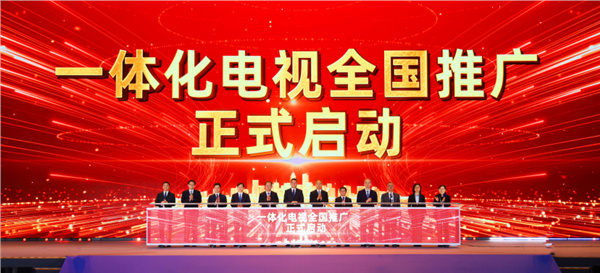
For twenty years, the standard Chinese living room has run on a quiet conspiracy of hardware: a television, a set-top box from the cable or IPTV operator, at least two remotes, and a nest of cables that every houseguest dreads unplugging. That arrangement is now being dismantled by national policy. On August 31, China Broadcasting Network, the state operator of the country's broadcast TV network, published its first nationwide centralized procurement notice for "integrated TV" adapters — the software-and-hardware package that folds a set-top box into the television set itself. The move takes a reform that has been running as a pilot and puts it into mass deployment.
Integrated TV works by pairing an application with a small adapter built into or attached to the television, so that viewers can watch live broadcasts, time-shifted programs and catch-up content the moment the screen turns on — no external box, no input-switching, no second remote. The rollout has serious institutional weight behind it. In April, the National Radio and Television Administration launched the national promotion of integrated TV alongside the industry ministry, China Broadcasting Network and the three big telecom carriers; by the end of July, a follow-up deployment meeting was told to hold to an annual target in the tens of millions of devices. According to the procurement announcement, the groundwork is done: unified technical specifications, interconnection testing across 28 provincial networks, and a unified app adapted to televisions of many brands. Insert-type micro set-top boxes have already been deployed on the scale of tens of millions of units.
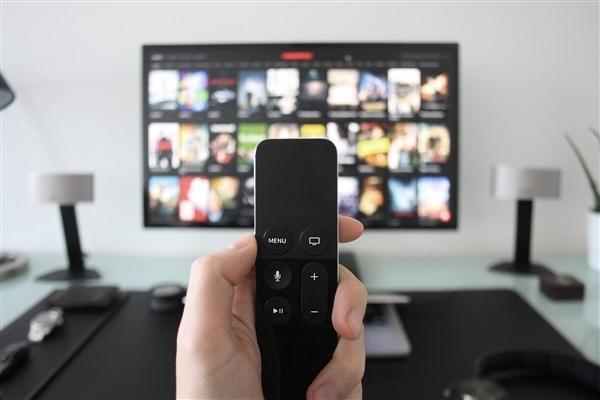
The reform responds to one of the most persistent complaints in Chinese domestic life. Years of gripe posts about boot-up advertising, layered membership fees and menus so convoluted that elderly viewers effectively lost access to television pushed regulators into a multi-year campaign to make TVs simple again, summed up in the slogan of turning the set on straight into watching. The hashtag for the latest step, "farewell to the set-top box" (告别机顶盒), climbed both Weibo's and Baidu's hot boards this week.
The public reaction, though, is relief laced with suspicion. "Finally done with a pile of remotes and tangled cables — building the box into the TV is absolutely the right direction," one popular post began, before listing the ways the promise could be betrayed: forced upgrades dressed up as compatibility, new fees, and above all the fear that a fully integrated television will mean even more boot-up ads and membership traps, "turning convenience into a new kind of trouble." The same post pointed to the fine print that matters most in an ageing country: the planned 2027 retirement of old set-top boxes, and whether the transition genuinely accounts for viewers who cannot simply buy a new set.
That is the open question the rollout now has to answer. A national procurement can standardize the hardware; whether broadcasters and manufacturers resist refilling the reclaimed screen with advertising and paywalls is the test of whether China's TVs have actually gotten simpler, or just rebranded their complications.