County-Town 'Brahmins': the Viral Phrase Naming China's Small-City Elite
A question posted by the journalist Beast Ye — 'County-town Brahmins, a phenomenon?' — drew thousands of testimonies about small-city family networks that control jobs, loans and paperwork. The phrase has become shorthand for why young Chinese who grew up outside the big cities feel the ladder's lower rungs are missing.
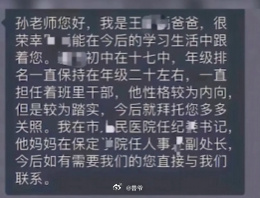
A single rhetorical question from one of China's best-known financial journalists set off the week's sharpest conversation about class. "'County-town Brahmins' — a phenomenon?" the writer known as Beast Ye posted on Thursday, attaching two images. It drew more than 11,000 likes, and the replies read like excerpts from a sociology field study.
The term is a recent coinage, combining "county town" — China's roughly 1,800 administrative units between the village and the metropolis — with "Brahmin," borrowed from India's priestly caste. It names the old families of a small city: the household that runs the hospital, the one that staffs the education bureau, the uncle at the county bank. In the phrase's logic, a county is not a faceless bureaucracy but a web of perhaps a few dozen interlocked clans, and everyone born outside them knows their place in line.
The post that became the debate's centerpiece came from a woman describing her years as a "rural exam-grinder" — the self-deprecating badge for students who studied their way out of the countryside. In a small county, she wrote, even a routine loan might take repeated visits and chickens pressed on the bank clerk; an urgent temporary ID card sits unstamped until a well-placed friend makes a phone call, whereupon it is produced at once. Shenzhen, by contrast, "basically never makes you make a second trip."
What an outsider might miss is why the phrase landed now. China's state sector, with its stable salaries and guarded perks, has become the object of a desperate competition among graduates as private-sector hiring cools. In county towns, those jobs — teacher, nurse, utility clerk — are precisely what the established families pass among their children. Young people weighing a return home for a slower life find that the good seats are hereditary in practice, and the trending phrase gives that discovery a name with an acid edge.
The debate is the latest chapter in a long argument about whether meritocracy reaches past the big cities. Its conclusion, for now, is the one the exam-grinder reached: the county is a fine place to be from, and a hard place to be nobody's nephew. The mass migration of China's young adults toward provincial capitals and megacities is usually told as an economic story about jobs. The "county Brahmin" discourse suggests it is also a story about queues — and about who gets to jump them.