The Dark Side of Discounts: Milk Tea Overconsumption Lands Chinese Man in Hospital Amid Food Delivery Wars
The recent hospitalization of a man from Zhejiang, identified as Mr. Shi, has sparked significant discussion and concern across social media platforms in China. Mr. Shi found himself in a dire health situation after consuming an excessive amount of milk tea, a popular sugary drink, taking advantage of the intense promotional campaigns known as the "food delivery wars." These campaigns, characterized by aggressive discounts and "zero-cost purchases," have flooded Chinese cities, enticing consumers with irresistible deals that, for some, are too good to pass up.
Mr. Shi's case is a stark reminder of the pitfalls of such promotions. Admittedly, he was drawn into consuming four to five cups of milk tea daily, lured by the appeal of not wanting to "waste" the opportunity presented by the deals. This overconsumption led to his diagnosis of "three highs" – high blood pressure, high blood sugar, and high cholesterol – and gout, ultimately necessitating hospitalization.
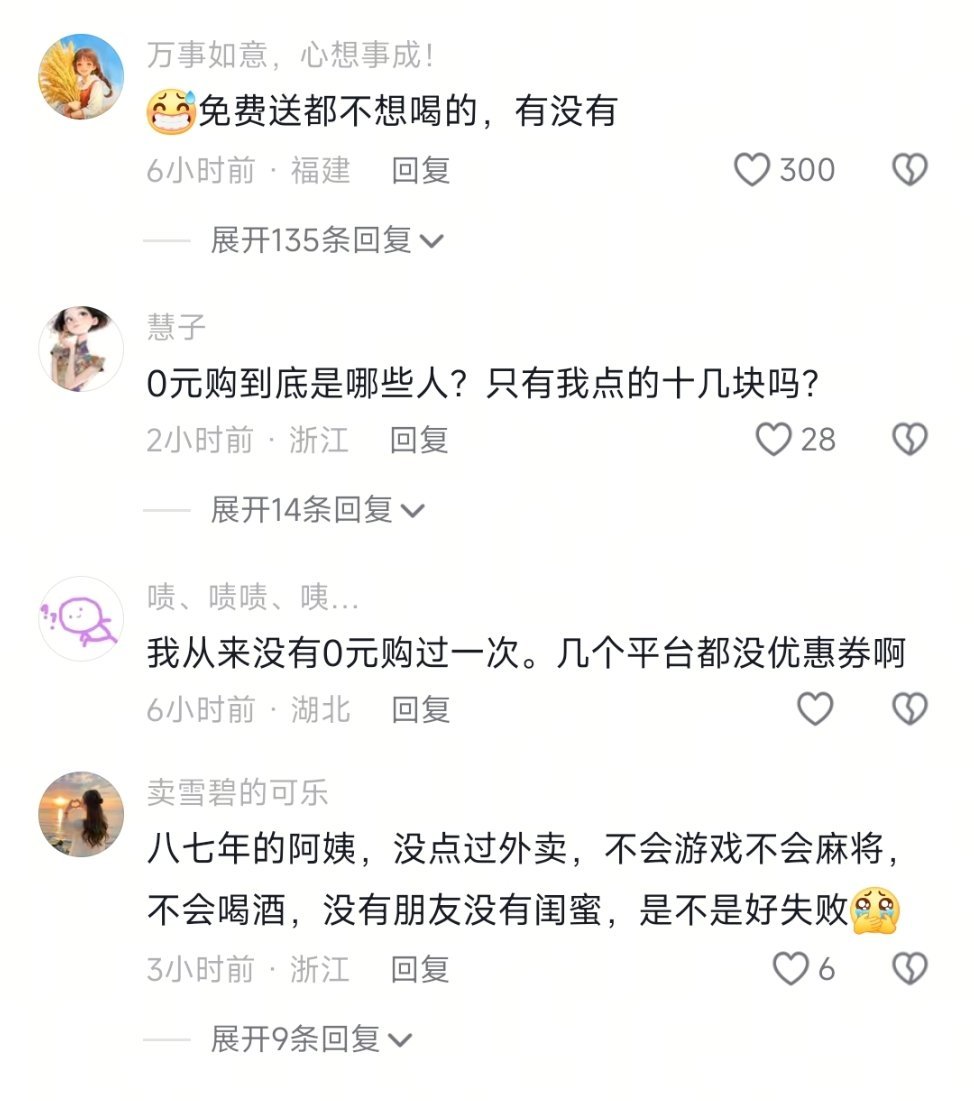
The public reaction on Weibo, China's leading social media platform, has been largely cautionary, with a strong sentiment of warning against the dangers of prioritizing cheap deals over health. Users have critiqued both the aggressive marketing tactics of food delivery platforms and the need for consumers to exercise more self-control and rationality in their consumption habits. The sentiment is overwhelmingly negative towards the man's actions and the promotional strategies that facilitated them, underlining a collective concern over the potential health risks associated with such behaviors.
This incident brings to the forefront the broader implications for public health, industry practices, and the need for possible government oversight. It highlights the direct health risks of excessive sugar intake and the lack of consumer awareness or responsibility regarding these risks. Moreover, it raises questions about the ethical responsibilities of food delivery platforms in promoting healthy choices and the role of government in regulating such practices.
As the food delivery industry continues to grow and evolve, this case underscores the need for a re-evaluation of current promotional strategies and the importance of integrating public health considerations into industry practices and regulatory frameworks. It serves as a cautionary tale for consumers, a wake-up call for platforms, and a prompt for policymakers to act in safeguarding public health in the digital age.
In the end, the allure of a "free" or heavily discounted cup of milk tea may come with a far higher price than consumers bargain for, as Mr. Shi's experience tragically demonstrates.