Decoding Menstrual Health: Understanding Color, Volume Changes, and Their Impact on Women's Wellbeing in China
In China, menstrual health is a topic of concern for many women. Social media platforms like Weibo are filled with discussions and advice on menstrual-related issues. Two situations, in particular, are considered red flags and should prompt women to seek medical attention: menstrual color changes and menstrual volume changes. According to Weibo users, menstrual color can vary significantly, from light red to dark red and even black. Changes in menstrual color can be a sign of suboptimal health. For instance, dark red or black menstrual blood, sometimes accompanied by clots, may indicate suboptimal uterine or ovarian health.
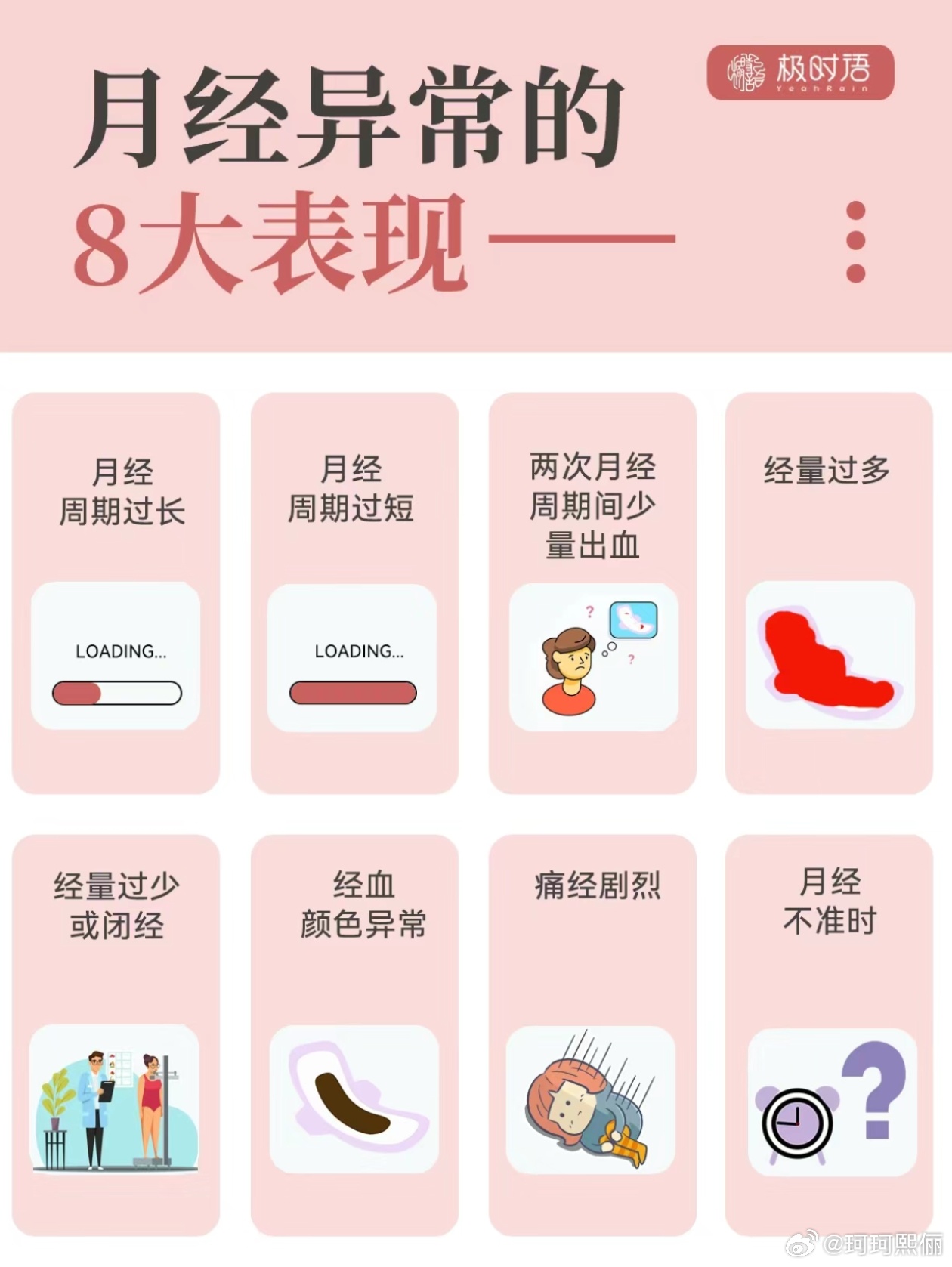
These conditions, such as endometriosis, submucosal fibroids, or polyps, require medical intervention. Conversely, lighter-colored menstrual blood, especially if pale or yellowish, might indicate anemia or an inflammatory response in the reproductive tract. Menstrual volume changes are another concern. Excessively heavy or scanty menstrual flow can indicate hormonal imbalances or medical conditions. If a woman's menstrual flow exceeds 80 ml per cycle and persists for six months or longer, this may point to functional disorders like polycystic ovarian syndrome (PCOS) or thyroid dysfunction. On the other hand, reduced menstrual volume, especially if accompanied by a prolonged menstrual cycle, could signal conditions such as PCOS, premature ovarian failure, or the use of certain medications, such as emergency contraception or weight loss drugs. In addition to menstrual color and volume changes, other symptoms, like prolonged or shortened menstrual cycles, intense menstrual pain, and irregular menstrual timing, can also be indicators of underlying health issues. These might include endometriosis, uterine fibroids, or hormonal imbalances, which could potentially impact fertility and overall wellbeing.
Although the discussion surrounding menstrual health can be controversial in China, it's crucial to address these concerns with a serious and objective tone. In an era where young women are increasingly open about discussing their bodies, society should encourage and facilitate access to information and healthcare services, helping to empower women to take control of their health. In conclusion, menstrual health is an essential aspect of women's overall wellbeing. By paying attention to menstrual color, volume, and other symptoms, women can better understand their bodies and take action to address potential health concerns. A proactive and informed approach to menstrual health enables women to make informed decisions, seek appropriate medical care, and enhance their quality of life. Since menstrual health is a sensitive and private matter, it's essential to respect individual experiences and perspectives while addressing this topic. Encouraging open and respectful conversations, healthcare providers, educators, and society as a whole can help to foster understanding and support for women navigating menstrual health concerns.