'Erha' Author, Back From Internet Exile, Accuses MissEvan of Unlicensed Japanese Café Events
The pen name behind the danmei hit 'The Husky and His White Cat Shizun' ended a years-long silence to say Japanese themed cafés sold her characters for years without food-and-beverage authorization, and that MissEvan's partners never sent her a licensing report.
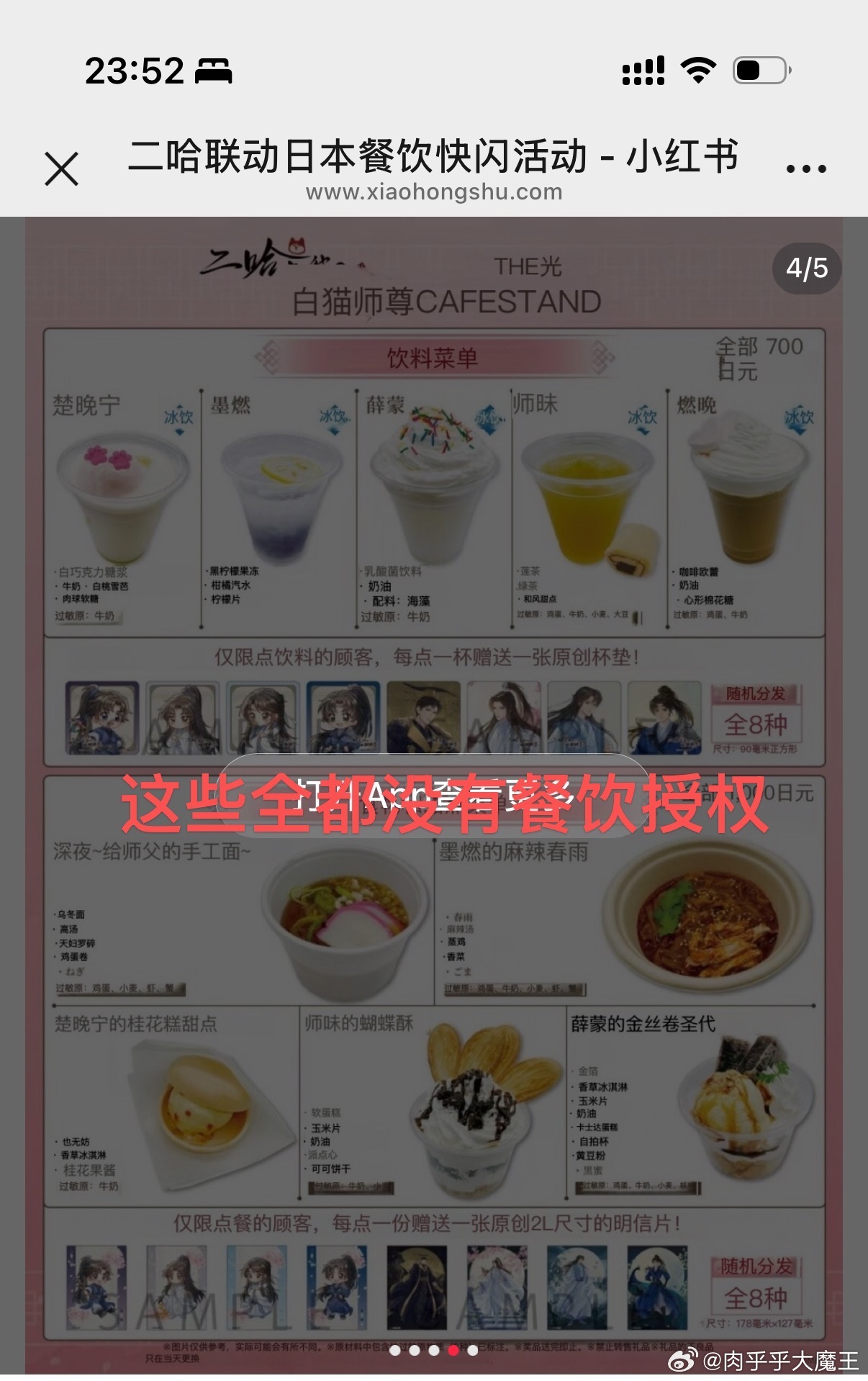
The author of "The Husky and His White Cat Shizun," one of the most commercially valuable novels in China's danmei — boys' love — fiction scene, broke a years-long internet silence on Friday with a public accusation against MissEvan (猫耳FM), the country's largest audio-drama platform: that Japanese business partners ran themed cafés built on her novel for years without her permission, while the platform never paid her a licensing report.
The statement, posted under the author's account and instantly charting at No. 18 on Weibo's trending list under the hotword "肉包不吃肉 没有给过餐饮授权" ("Roubao Busao has never granted food-and-beverage authorization"), drew more than 129,000 likes within hours. The pen name translates roughly as "Meat-Bun-Doesn't-Eat-Meat."
The author, who withdrew from public posting years ago, said that in 2023, through the Jinjiang Literature agency, she licensed a Japanese audio drama and ten merchandise categories to Tokyo-based MiMi Inc. and its Chongqing partner. Three years later, she wrote, she learned — only when the platform approached her to renew — that she had never been told the drama had even launched, and that themed café events in Japan had been selling "Erha" milkshakes, coffee, cakes, noodles and soup dumplings under her characters' names, some of them running for a year.
"Japanese readers who didn't know any better paid for these events, and even Chinese readers flew there to check in," she wrote. "But none of these activities ever received my food-and-beverage authorization."
Compensation before apology
What turned a licensing quarrel into a fandom-wide scandal was the negotiation style the author described. When she objected, the platform's answer — relayed through Jinjiang — was that this was "a normal practice" among Japanese licensing channels, and offered to discuss compensation. In successive drafts of a public announcement, she said, the unauthorized café sales went unmentioned: her discovery of them was reduced to a single word, "反馈" ("feedback"), as if nothing were amiss.
"I felt disgusted," she wrote. "Not to mention respect — this is the greatest insult I can imagine to an author." She said she would refuse any payment beyond the contract and donate whatever she received to schools, hospitals or charities, with receipts.
Her demands were procedural rather than financial: stop the café events, honor the contract's reporting terms, and — above all — publicly tell readers the truth about which events were unlicensed. The platform has since halted one upcoming commemorative drink sale, citing a "dispute over the scope of authorization."
Why the fandom is watching
The episode lands at a tender spot in China's fan economy. Danmei audio dramas are a billion-yuan business built on readers' emotional investment, and platform-side intermediaries routinely hold rights that authors see only as royalty lines. A fan supporter wrote in a widely shared reply that the unauthorized cafés disrespected the author and "deceived without limit the fans who love this IP" — a post that itself drew more than a thousand likes. For now, readers are left waiting for the platform's promised public statement, and for the author's next move if it once again falls short of the plain facts.