China's 'First Fitness-Band Victims' Report Wrist Trouble; Dermatologists Point to Allergies, Not Radiation
A viral hashtag jokes that the 'first victims' of the fitness-band era have appeared — users whose wrist skin has lightened or roughened after months of continuous wear. Science explainers point not to the devices' sensor light but to contact dermatitis and occlusion, in a viral moment that doubles as a case study in how health rumors form.
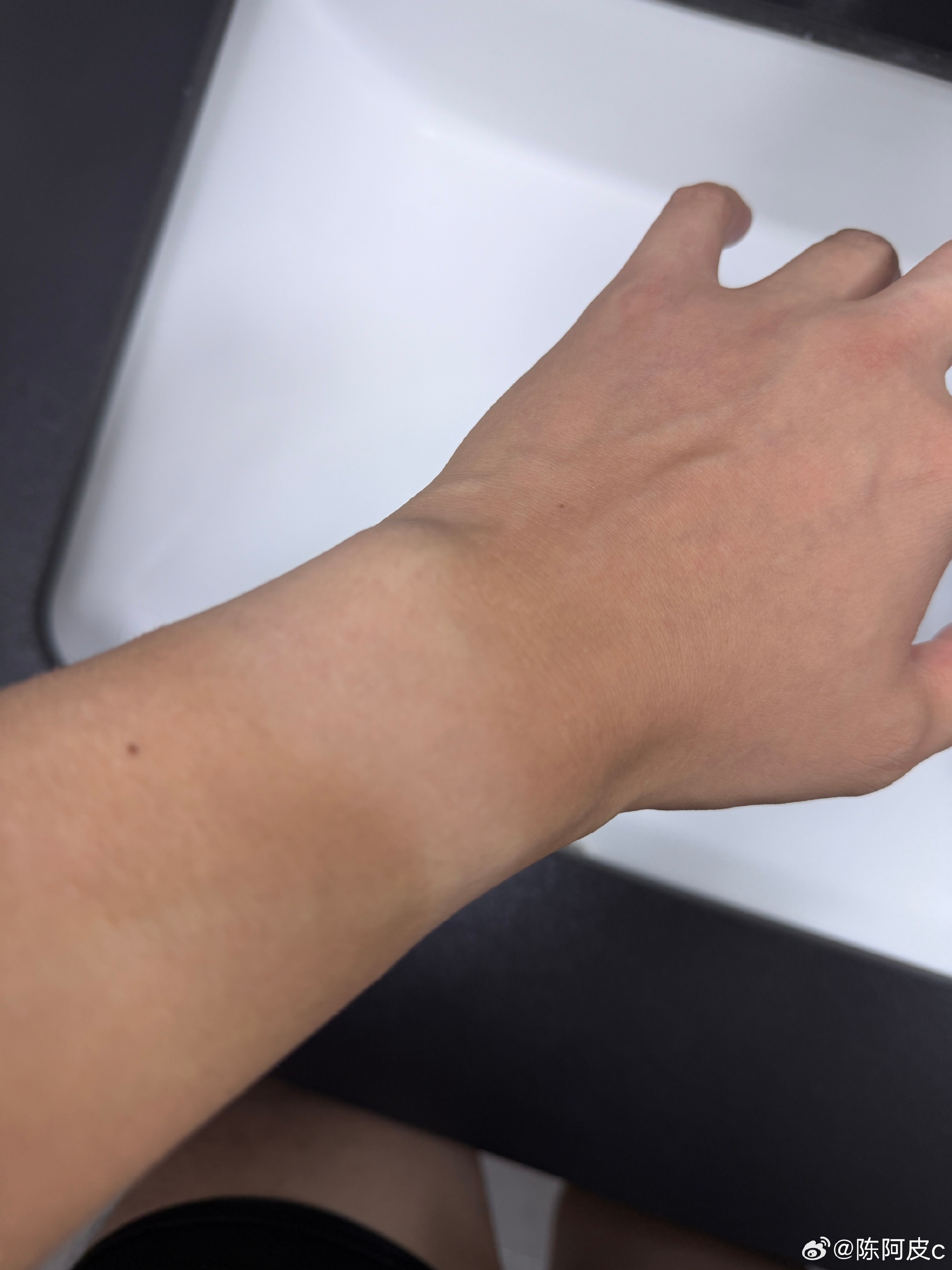
The phrase "the first victims have appeared" (第一批受害者) is Chinese internet slang for the earliest adopters of a consumer craze — the people who bought the gadget everyone else got later, and now carry its marks. This week the fitness band took its turn. Under a hashtag rendering as "the first fitness-band victims have appeared", users traded photos of wrists marked by months of continuous wear: a band of skin conspicuously paler than the rest of the arm, sometimes dry and roughened, in worse cases hardened or thickened.
The speculation about what was doing the damage outran the evidence. Commenters charged the devices' green sensor light with causing skin aging, or blamed leakage from the watch, or low-temperature burns from a warm case. None of these, the science-outreach outlet Kexue Zhongguo (Science China) said in a widely carried post, has much medical support — at least none visible in the photos users had been posting.
The likelier explanation is older than the smartwatch. Dermatologists quoted in the roundups point to two familiar culprits: allergic contact dermatitis, a delayed immune reaction — often to nickel or other materials in the case or strap — and irritant contact dermatitis, caused by sweat, trapped moisture and skin debris held against the skin by a band worn tight for days without a break. The devices themselves are largely the scene of the crime rather than its perpetrator: a strap worn snug enough to keep a heart-rate sensor reading is also a strap that seals the skin underneath, and skin that never dries out eventually complains.
Users who posted their own cases described something milder. "I wear mine every day, and the patch of arm under it is a shade lighter — sweaty days give me a bit of eczema, so now I take it off for a stretch between wears," one wrote. A tech reviewer offered the same practical advice in a post that drew wide agreement: a pale patch from occlusion is normal; loosen the strap, let the skin breathe, switch strap materials if a rash appears, and stop wearing it if the reaction persists.
For an international reader, the episode is a small case study in how China's consumer-safety conversations run. A hardware question — is my band damaging my skin? — is first argued through jokes and speculation, then settled by a state science-outreach post, with tech reviewers and dermatologists supplying the mechanism. The topic also crossed platforms, charting on Baidu's trending board the same day. The advice that survives is unglamorous: wear it looser, take it off now and then, and wash the strap. The devices, by every account in the discussion, are safe — the problem is what a tight strap does to anyone's wrist, smart or not.