He Sold His Gold, and the Money Froze: a Cross-Provincial Freeze Snags an Innocent Seller
A Beijing graduate student sold 124,000 yuan of family gold bars on the secondhand marketplace Xianyu, only to have every bank account he owns frozen by police in Hunan — because the buyer turned out to be a fraud-laundering runner. Beijing police cleared him of any crime within weeks, but three months on, Hunan authorities still have not unfrozen his funds, igniting a national debate over how anti-fraud policing ensnares the innocent.
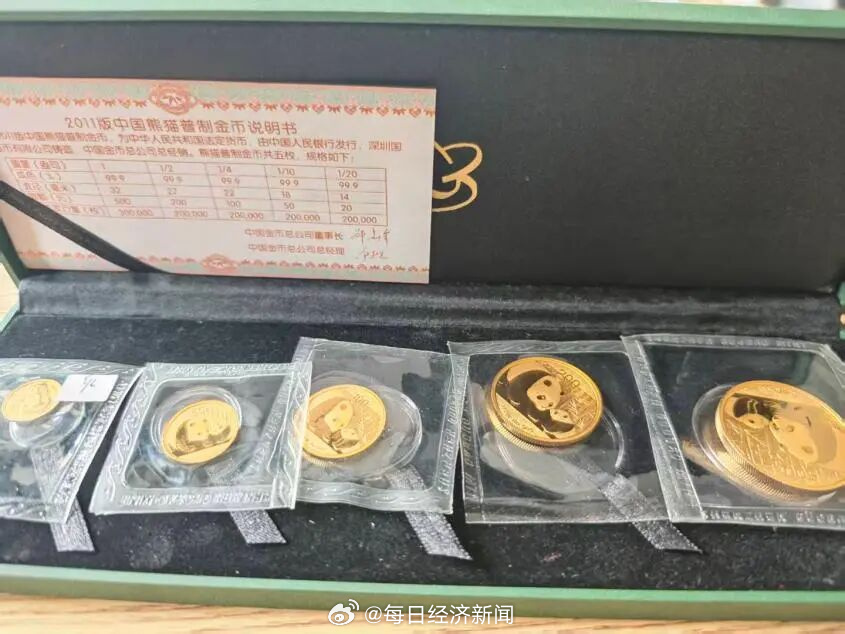
The sale could hardly have been more ordinary. In late May, a second-year graduate student at Beijing Jiaotong University — Chinese media call him Wang — listed family gold bars and coins on Xianyu, Alibaba's huge secondhand marketplace, and agreed to an in-person deal: gold handed over, 124,000 yuan wired in return. Days later, every bank account in his name was frozen. The money, it emerged, was fraud proceeds passed through a hired runner; Wang was neither the first gold seller to meet such a buyer nor, he fears, the last.
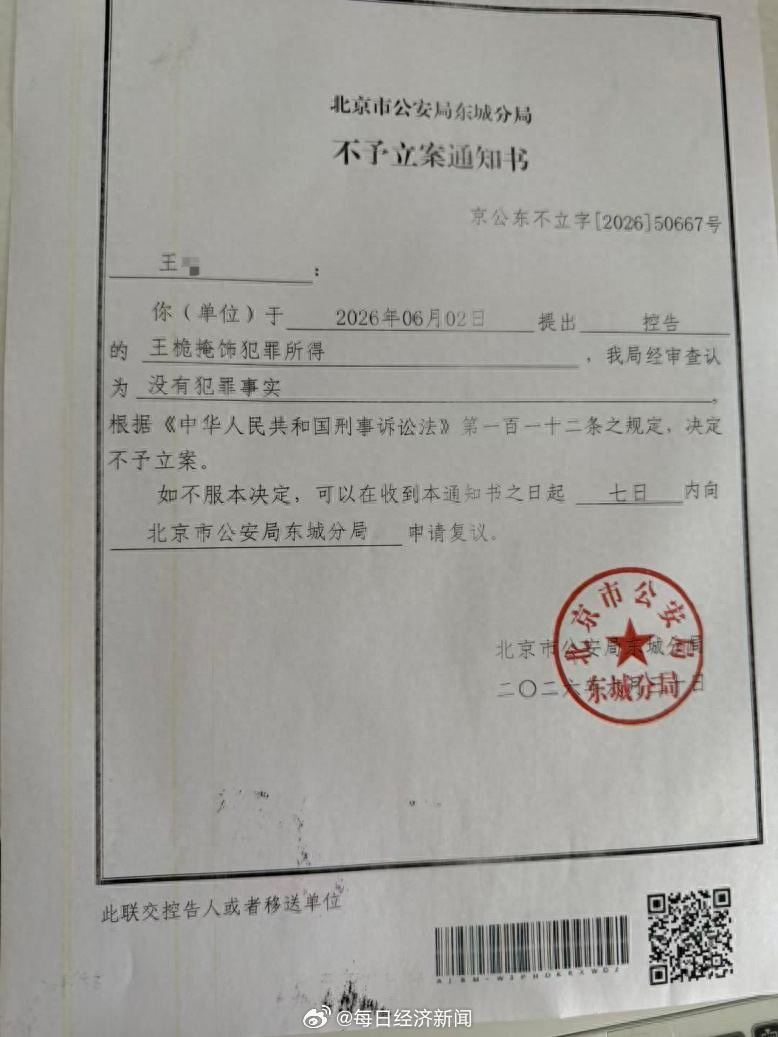
What turned his case into a national talking point was the paper trail. Beijing police investigated and issued a formal notice-of-non-filing, officially establishing that no crime had been committed — and Hunan's Linli County police, who had frozen the funds as suspected fraud proceeds, have nonetheless declined for three months to close the file or release the money. The student cannot pay tuition, cannot open the payroll account his internship requires, and has watched the autumn semester approach with his finances in limbo. A legal comment circulating on the trend has made the phrase 善意取得 — 'good-faith acquisition,' the doctrine that an innocent purchaser for value keeps what he bought — into a slogan for his case.
The posts show a country arguing about process, not guilt. Nearly every popular comment asks the same question the student's lawyer would: if Beijing has certified no crime, what authority lets another province keep the freeze in place? Others go further, asking what happens if the frozen 124,000 yuan is ultimately returned to fraud victims — the gold is gone to the scammers, the money confiscated to restitution, and the innocent seller is left with nothing.
The case sits oddly beside a months-long gold rush: retail gold prices have topped record after record, families have been cashing out heirloom bangles, and even wedding gold has been swapped for bullion — the site has followed the trade all year. A marketplace sale that once meant quick cash now means routing a six-figure sum through a stranger — and, as Wang discovered, through whichever fraud case the money touches. Linli police have given no public timetable for a decision; the freeze window can be renewed while an investigation formally "cannot establish" a crime.