Cured, Not Suppressed: Japan Approves the First Functional Cure for Hepatitis B
Japan has approved Bepirovirsen, the first drug cleared anywhere as a 'functional cure' for chronic hepatitis B — a disease that keeps China's 75 million patients on antivirals for life. First China data presented in Singapore showed functional cure rates as high as 61 percent, while Chinese social media urges calibrated hope: roughly one in five patients is cured in current data.
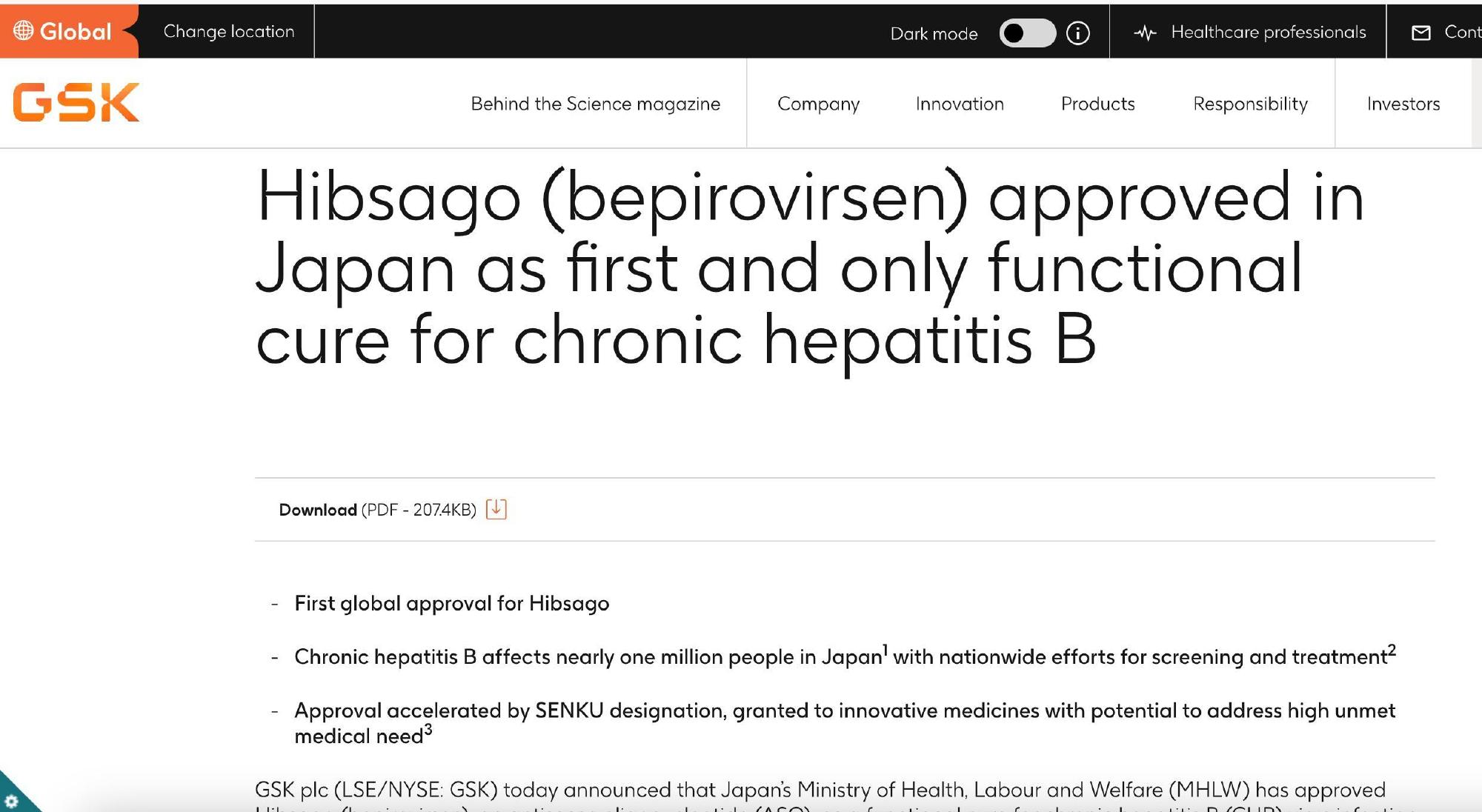
For the roughly 75 million people in China living with chronic hepatitis B, treatment has meant a bargain: take antiviral pills every day, keep the virus suppressed, and accept that a real cure is not on the menu. That bargain may be starting to shift. On August 24, Japan approved Bepirovirsen, sold as Hibsago — the first therapy anywhere in the world cleared with "functional cure" of chronic hepatitis B as its indication, according to its maker GSK. And on September 5, at a liver summit in Singapore, Professor Hou Jinlin of Southern Medical University presented the drug's China data for the first time: in the group studied, the functional cure rate reached as high as 61 percent.
"Functional cure" is a precise term, and an unfamiliar one to most readers. It does not mean the virus is eradicated from every cell; fragments of its DNA stay parked in the liver. It means the immune system controls what remains without ongoing medication — the hallmark being a durable loss of hepatitis B surface antigen, the protein whose persistence has defined lifelong infection. That is the goal Chinese patients describe, half-jokingly, as 摘帽 — getting the label taken off.
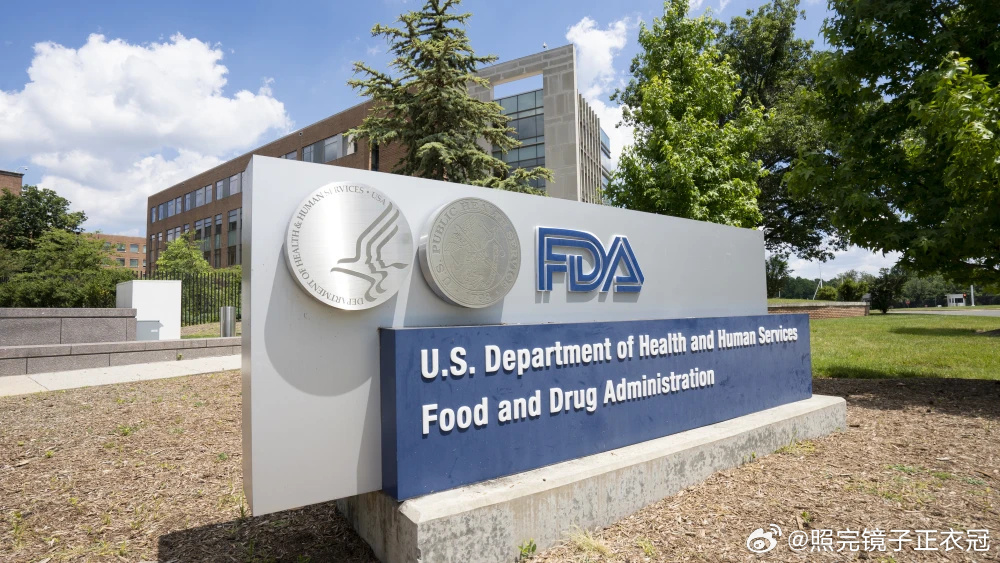
The drug works differently from the standard suppressive pills. Bepirovirsen is an antisense oligonucleotide, a lab-made snippet that binds a conserved sequence of the virus's RNA and flags it for destruction, cutting off production of both the virus and the surface antigen it uses to cloak itself. GSK developed it with Ionis Pharmaceuticals; in trials reported in January, it met its primary endpoints in two pivotal Phase 3 studies. In the United States, the FDA has granted the drug priority review, with a decision date of October 26, 2026.
The enthusiasm on Chinese social media comes with a brake applied, and the brakes are worth reading. A widely shared explainer by a health-science blogger walked followers through the fine print: in the data so far, roughly one in five patients achieved a functional cure, a rate that rises to around 35 percent among those whose antigen levels were already low. The same post warned readers not to rush Japanese pharmacies through daigou proxy shoppers — an instinct seasoned Chinese patients will recognize — and to wait for the domestic pathway instead. "Don't get carried away," it cautioned. "It's not a miracle drug, and it doesn't work for everyone."
China is not only an audience for this drug; it is also a competitor in the same race. AusperBio, a biotech headquartered in Hangzhou, received breakthrough-therapy designation from China's NMPA for its own antisense candidate, AHB-137, which is already in Phase 2 trials in China, with the stated aim of functional cure. The China data Hou presented in Singapore — where the response rate ran far higher than the averages reported so far — suggest how much is at stake in the trials still running: with the largest patient population in the world and a homegrown pipeline, China's regulatory decisions will shape whether this class of drugs reaches its market fastest.
For now, the practical news is this: a disease long treated as a life sentence of daily pills has, somewhere, a first approval that says otherwise. When — and whether — Chinese patients get access is the question the next set of trial results and filings will answer.