Doctors Can't Tell Your Spouse You Have HIV. China Is Arguing About Whether That's Right.
A hospital notice barring doctors from disclosing HIV status to a patient's spouse reignited a long-running Chinese debate: privacy for the patient versus the partner's right to know. Current law keeps the doctor silent and puts the burden on the patient.
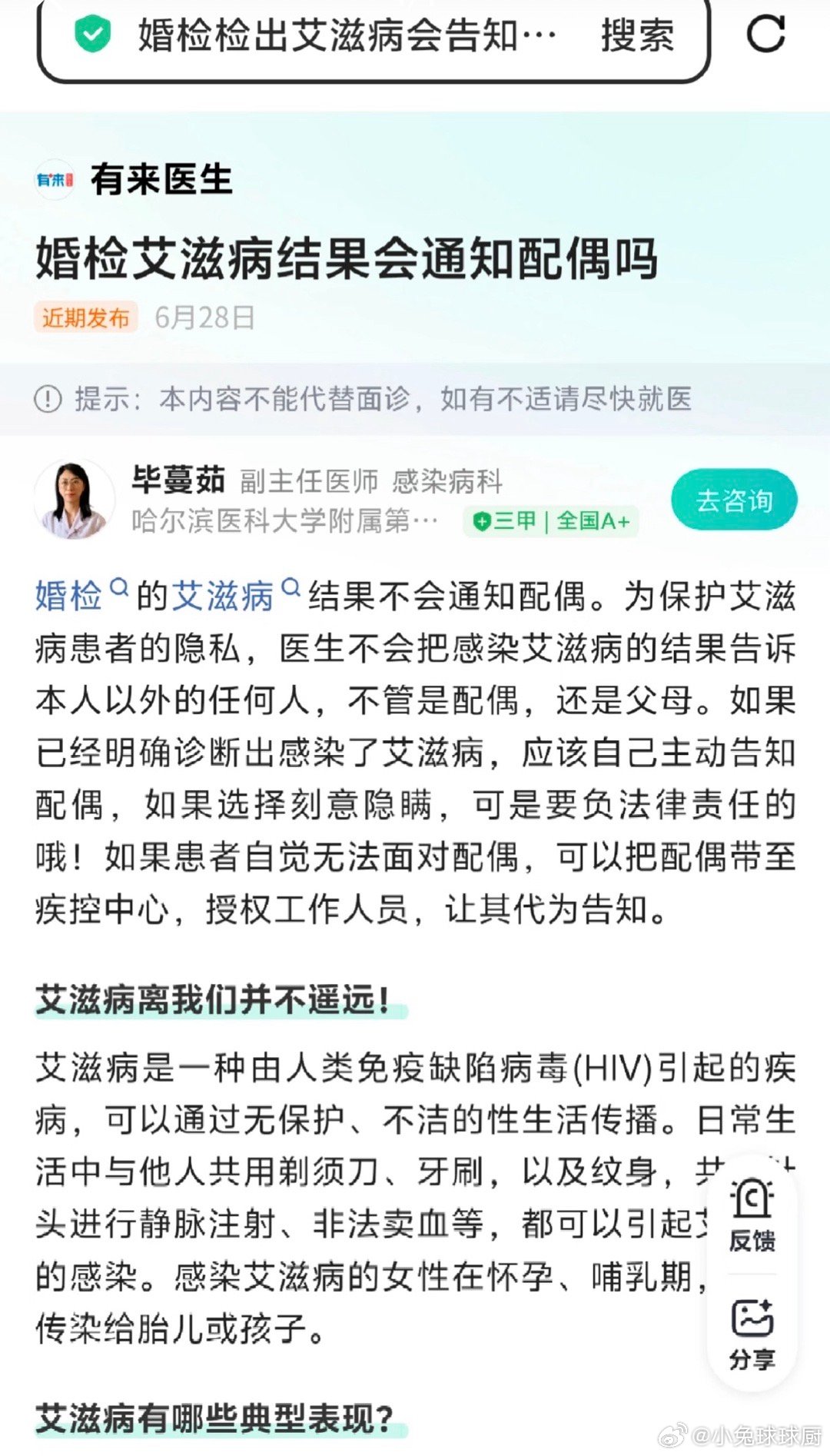
A notice circulating from a Chinese hospital this week told staff something that sounds, at first, like a medical-ethics riddle: do not disclose a patient's HIV status to their spouse or family. The instruction, meant to comply with Chinese privacy law, became a national argument once it hit Weibo. "Who came up with this?" one post asked. "HIV isn't told to the spouse, so one innocent person gets infected too. What exactly is the point?"
The legal answer is surprisingly clear, and it is the source of the frustration. Under China's AIDS Prevention and Control Regulations, medical institutions and anyone else who learns a person's HIV status is bound to keep it confidential unless the patient consents. The patient, meanwhile, has a separate legal duty to tell their spouse. A lawyer interviewed in the Zhihu thread the story rode to the top of the trending board put the gap bluntly: if a hospital knows, the law does not authorize it to notify the partner — and if the patient says nothing and the spouse is infected, the spouse would struggle to claim damages from the hospital, because no national rule gives the hospital that power in the first place.
That division of responsibility — your secret, your duty — is what the debate is really about. Privacy advocates defend it as essential to encourage testing; if people fear their results will reach their families, they argue, fewer will get tested at all. Critics answer that a spouse is not a stranger, and that the right being weighed is someone's health and life. "If the result isn't disclosed, what is the point of a premarital checkup?" one user wrote, in a post whose screenshot of a doctor's plain-language explanation anchored much of the discussion. "When something threatens another person's life and health, the other side has a right to know."
What neither side disputes is that the current arrangement depends on a spouse choosing to speak — the one variable no doctor can guarantee. The argument on Weibo is less about the law, which is settled, than about whether the law has chosen the right vulnerability to live with.