Doctors Debunk the Viral Panic That Hotels and Train Seats Spread HPV
A rumour that high-speed rail seats are a leading source of HPV infection spread across Chinese social media this holiday week, and by Monday the fear had moved to hotel beds, toilets and towels. Doctors have lined up to say the science says otherwise: the virus barely survives on dry surfaces, and the panic says more about Chinese travel habits and vaccine anxiety than about infection risk.
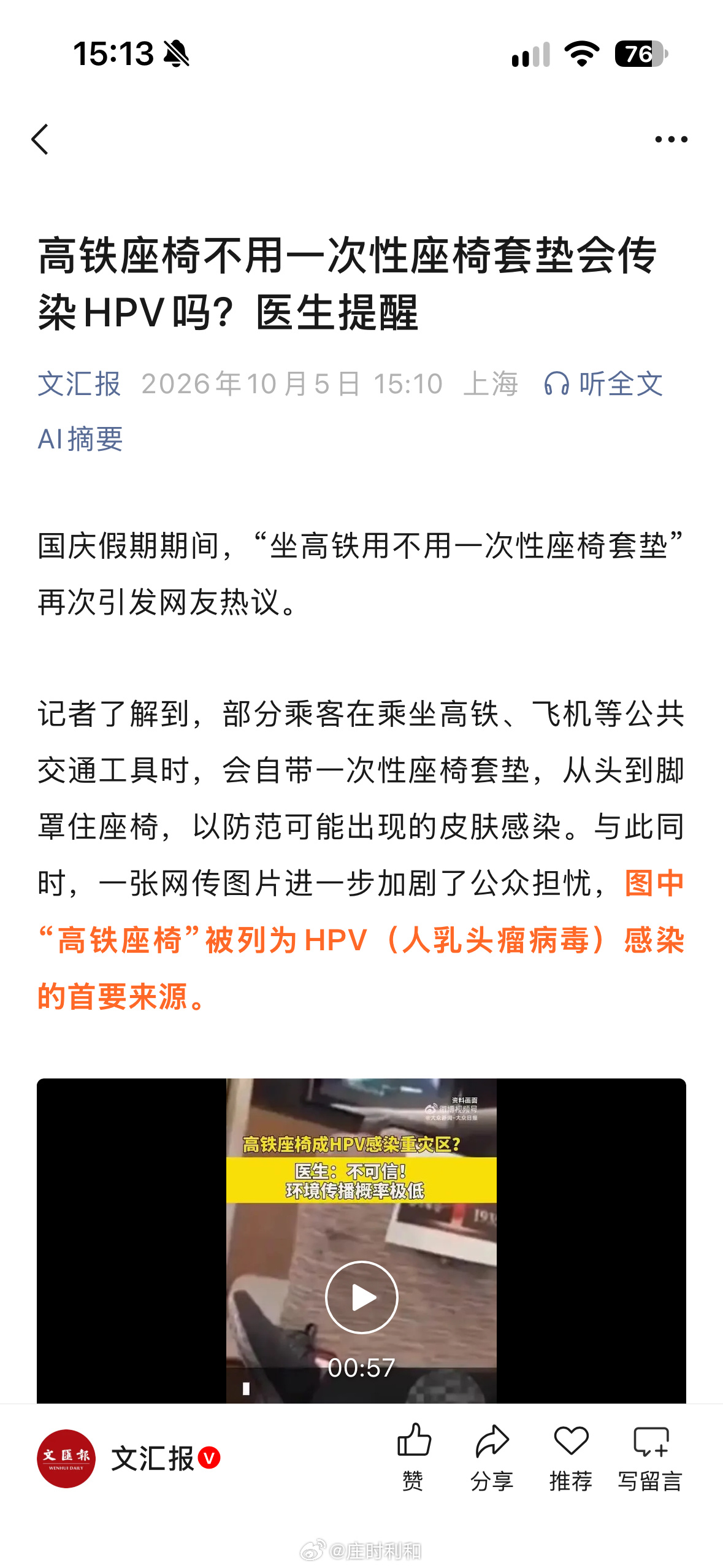
Halfway through China's Golden Week, with hundreds of millions of people on trains and in hotel rooms, the country's most-read medical question was a hygiene nightmare: can you really catch HPV — the virus behind cervical cancer — from a seat someone else sat on?
The rumour arrived first on the rails. Last week, claims circulated that high-speed rail seats were a leading source of HPV infection, complete with a chart that looked authoritative enough to frighten anyone facing a ten-hour journey home. On October 4, Li Tongzeng, a physician in the infection department at Beijing YouAn Hospital, told reporters the chart was "completely unreliable": HPV is fragile outside the body and survives only a very short time on dry surfaces such as fabric seats or hard plastic, so an infected seat is close to impossible. His rebuttal itself trended on Zhihu, where the question carried a heat score of 1.34 million.
By Monday the anxiety had migrated to hotels, as #can-you-really-catch-HPV-from-staying-in-a-hotel# charted on Weibo's trending list. The top-liked response came from a widely followed medical blogger, and it was sarcasm: "Still better to take precautions — when I stay in a hotel I carry my own bed and toilet, for fear of catching HPV." The joke, liked more than 2,400 times, made the point the doctors had been making all week: the fear has outrun the biology.
Posts doing the sober explaining laid out the actual transmission routes — sexual contact, close skin contact, mother to child — and noted that indirect infection from door handles, bedsheets or toilet seats is "extremely unlikely". The practical advice on offer was mundane: sleep in underwear, don't sit on the toilet bare, bring your own towel, cover open wounds. Real protection, the same posts stressed, is vaccination and regular screening, not wiping down a hotel room.
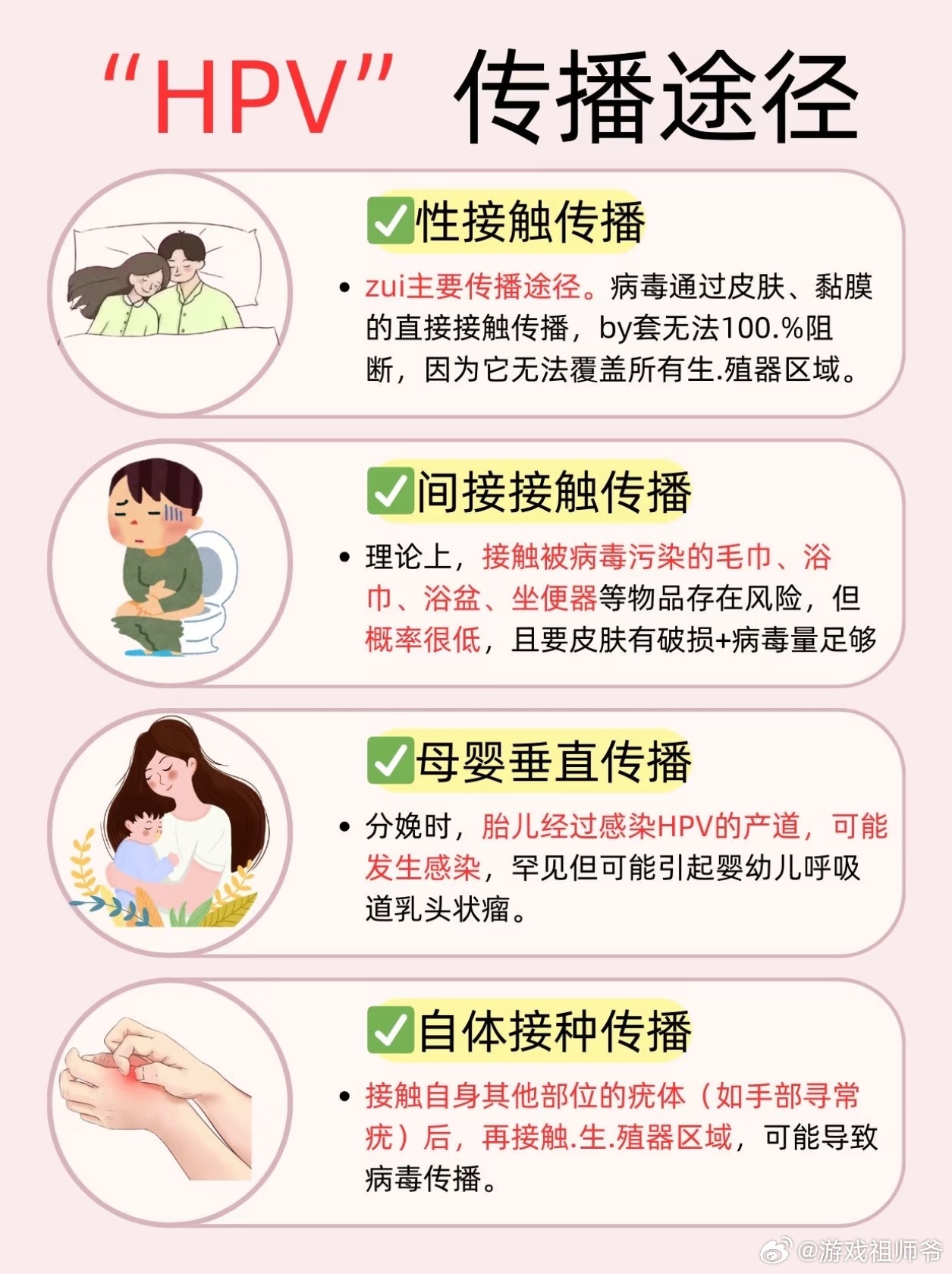
The panic is worth taking seriously even where the science is not, because it recurs in a recognisable form: a chart, a headline, a fear of other people's bodies in public space, and then a round of debunking by doctors whose reach is smaller than the rumour's. That the definitive rebuttals came from named hospital physicians — and that audiences rewarded a sarcastic doctor over a scary chart — is the week's more hopeful trend. The open question is why the rumour found so many believers in the first place: a country that has vaccinated aggressively against HPV in recent years still flinches at the virus in a train seat.