Influenza's Hidden Dangers: Why Prevention and Timely Medical Attention Are Crucial
Influenza, commonly known as the flu, is a widespread infectious disease that, under normal circumstances, does not have a high mortality rate. However, for certain high-risk groups, the flu can lead to severe complications such as pneumonia, myocarditis, or exacerbation of underlying chronic conditions, potentially resulting in death. It is crucial for these groups to receive flu vaccinations and early antiviral treatments, such as oseltamivir, to mitigate the risks. According to the World Health Organization (WHO), approximately 290,000 to 650,000 people die from flu-related illnesses annually worldwide, with a mortality rate usually below 0.1%. Nonetheless, the actual numbers can vary significantly depending on the region, viral strain, and healthcare conditions. Prompt medical attention is essential, as illustrated by personal experiences where timely hospital visits have led to full recovery from complications like pneumonia. The recent release of the 2025 edition of the flu treatment guidelines highlights the importance of following medical advice when using medications like oseltamivir, parmiaivir, and others. Understanding the potential complications, such as pneumonia, heart inflammation, and neurological issues, underscores the necessity of early diagnosis and treatment to reduce the risk of these potentially life-threatening conditions, especially among vulnerable populations including the elderly, children, pregnant women, and those with weakened immune systems.
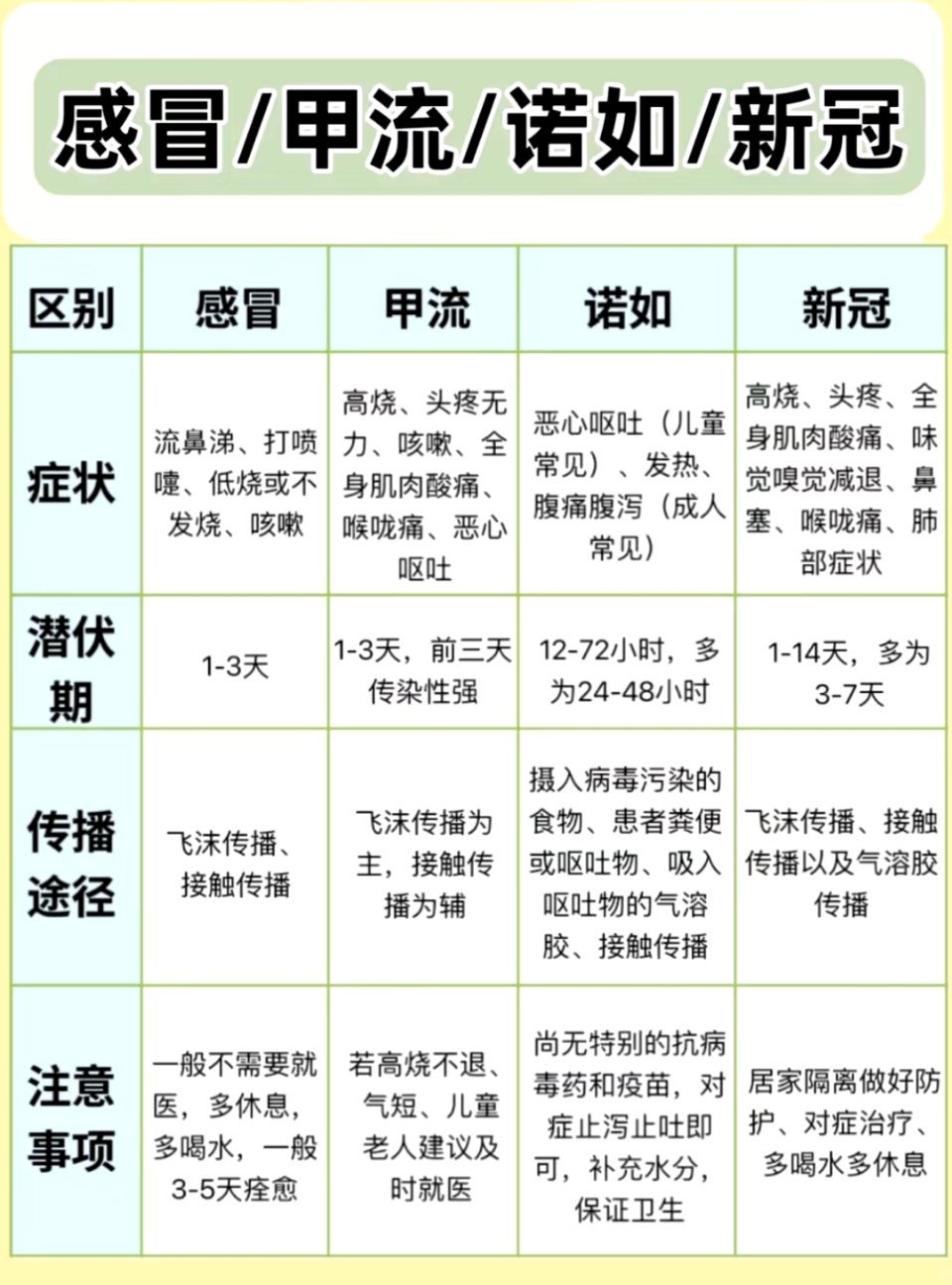
According to the World Health Organization (WHO), influenza results in approximately 290,000 to 650,000 deaths worldwide each year, with a mortality rate typically below 0.1%. However, the actual numbers can vary significantly depending on factors such as geographical location, viral strain, and access to medical care. For certain high-risk groups, influenza can lead to severe complications like pneumonia, myocarditis, or the exacerbation of pre-existing chronic conditions, potentially resulting in death. Consequently, vaccination against influenza and early antiviral treatment, such as oseltamivir, are particularly crucial for these vulnerable populations.
It's also worth noting that many patients who die from influenza do not succumb to the virus itself but to the secondary complications it triggers. Pneumonia is one of the most common and feared complications, as it can rapidly lead to respiratory failure, especially in the elderly, young children, and individuals with chronic diseases. Early symptoms of influenza-related pneumonia may not be immediately apparent, making it critical for individuals to seek medical attention promptly if they experience worsening cough, yellow or green sputum, or difficulty breathing.
The threat of influenza is further underscored by its potential to cause severe illness in people with underlying health conditions. The virus can lead to prolonged recovery times and increased risk of complications in these individuals. Given the significant global burden of influenza, with estimated annual deaths ranging from 290,000 to 650,000, it is essential for at-risk populations to take preventive measures, including vaccination and, when necessary, antiviral medications, to mitigate the risk of severe outcomes.
In conclusion, while the mortality rate of influenza is generally low, its impact can be devastating for certain segments of the population, particularly those with compromised immune systems or underlying health issues. Prompt recognition of the disease, early intervention, and preventive measures are vital in reducing the incidence of severe complications and deaths associated with influenza.
The article aims to discuss the importance of preventive measures against influenza, especially during the winter season when the flu is most prevalent. The context provided emphasizes the significance of wearing masks in public places as a simple yet effective measure against the spread of influenza. It also highlights the importance of maintaining a healthy lifestyle, including a balanced diet, sufficient rest, and regular exercise, to boost immune resistance against the flu.
According to the context, preventive measures against influenza include wearing masks, practicing good hygiene such as frequent handwashing, avoiding crowded areas, ensuring good ventilation, and keeping the body strong through exercise. For vulnerable populations like the elderly and children, receiving the flu vaccine is recommended. The transmission cycle of influenza and the duration for which the virus can survive on various surfaces are crucial factors in understanding how the flu spreads. This knowledge can inform more effective prevention strategies.
The narrative about an individual who succumbed to complications from influenza highlights the importance of seeking medical attention promptly, especially during the critical early stages of the illness. The article can also inform readers about medications that are effective against influenza, such as oseltamivir and zanamivir, as well as the newly approved drugs like baloxavir marboxil, emphasizing the need to use these medications under medical guidance.
In conclusion, preventing influenza involves a multifaceted approach that includes wearing masks, maintaining good hygiene practices, staying physically active, and, for high-risk groups, getting vaccinated. Additionally, recognizing the signs of severe flu and seeking timely medical intervention, along with the appropriate use of antiviral medications, are critical in managing and preventing complications from influenza. Winter is the peak season for influenza, and wearing masks in public places is a simple and efficient protective measure. Moreover, maintaining a healthy lifestyle, including a balanced diet, sufficient rest, and appropriate exercise, can help boost immunity and reduce the risk of contracting influenza. It is also crucial to understand the transmission cycle of the flu and the importance of timely medical intervention. Effective medications are available for treatment, but their use must be guided by medical professionals. By combining these strategies, individuals can significantly reduce their risk of severe illness from influenza.
In conclusion, the threat of influenza should not be taken lightly. While the mortality rate of influenza is generally not high under normal circumstances, it can still pose significant risks, especially to vulnerable populations such as the elderly, young children, pregnant women, and those with weakened immune systems. The tragic case of Taiwanese celebrity, Barbie Hsu (also known as Da S), who passed away due to complications from influenza, serves as a stark reminder of the importance of taking preventive measures and seeking medical attention promptly.
As highlighted by various experts and medical professionals, it is crucial to acknowledge the potential dangers of influenza and take proactive steps to mitigate its impact. This includes getting vaccinated, maintaining good hygiene practices, such as wearing masks in public places, especially during winter months, and adhering to prescribed treatments. Furthermore, it is essential to recognize the common complications associated with influenza, including pneumonia, which can be life-threatening if left untreated. Individuals should be vigilant and seek medical attention immediately if they experience severe symptoms, such as difficulty breathing, rapid heartbeat, or a sudden worsening of conditions.
In light of the newly released 2025 edition of the influenza treatment guidelines, which includes a list of approved medications, such as oseltamivir, peramivir, zanamivir, and others, it is imperative that patients follow the advice of medical professionals and take the prescribed medications as directed. Ultimately, preventing the spread of influenza and reducing its mortality rate requires a collective effort from the entire community. By working together, staying informed, and taking responsible actions, we can minimize the risks associated with influenza and ensure a healthier and safer community for everyone. As we move forward, let us prioritize our health and well-being, and remember that vigilance and prompt medical attention can be the difference between life and death. Wish everyone good health and peace.